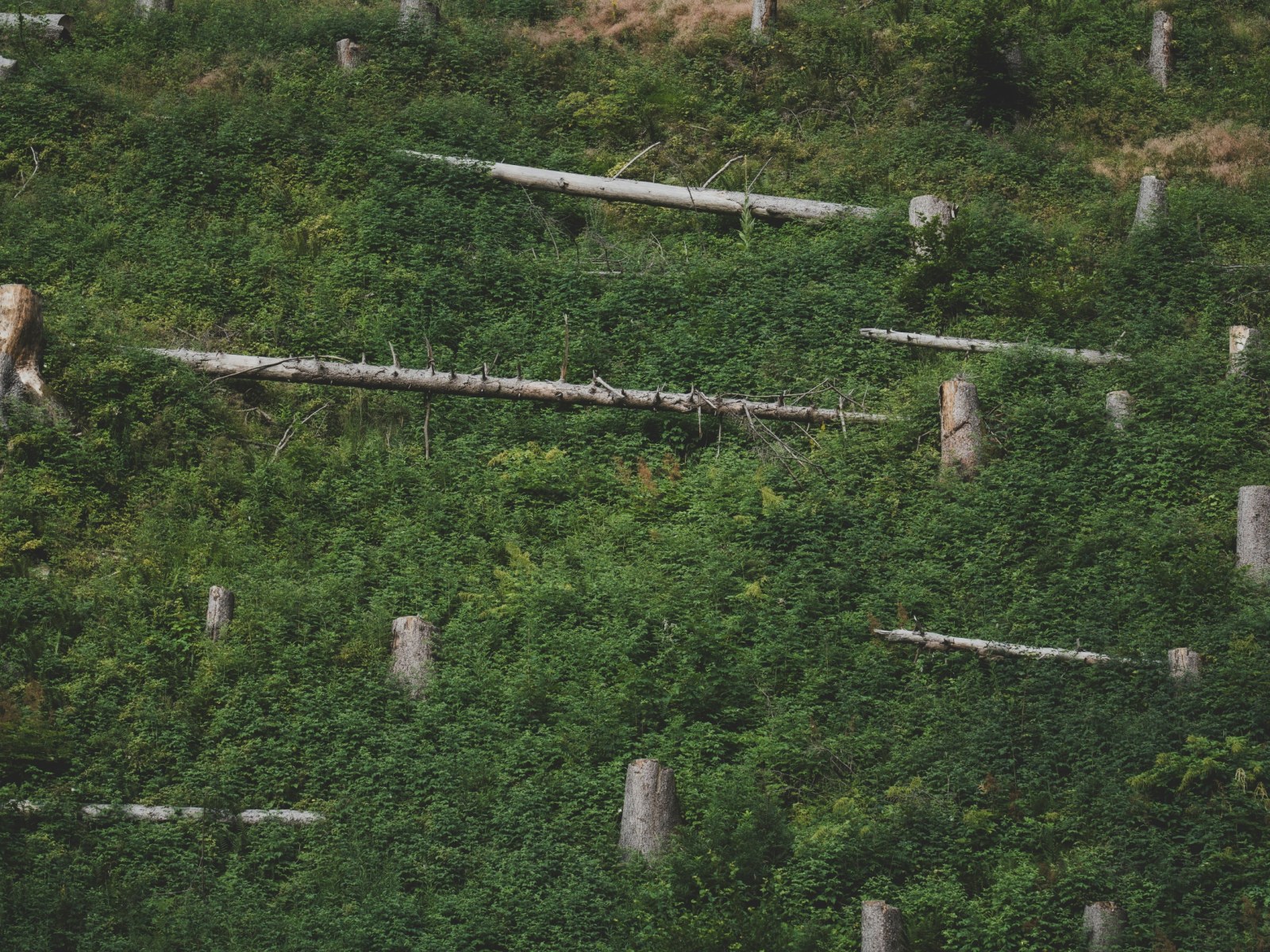
The Amazon rainforest is often called the "lungs of the Earth," but scientists say its role goes far beyond producing oxygen. The massive rainforest also acts like a natural climate engine, helping generate rainfall across South America while storing enormous amounts of carbon dioxide. Now, new research suggests that Amazon deforestation rainfall patterns are weakening faster than expected, and climate change is speeding up the process.
How the Amazon Creates Rainfall
One of the Amazon rainforest's most important features is its ability to create much of its own rain. Trees pull water from the ground and release moisture into the atmosphere through evapotranspiration. That moisture later forms clouds and eventually falls back as rain.
This process is so powerful that scientists sometimes refer to it as a system of "flying rivers." Air currents carry moisture from the rainforest across large parts of South America, supporting agriculture, freshwater systems, and regional weather patterns. The problem is that fewer trees mean less moisture enters the atmosphere.
A recent study highlighted by Phys.org found that deforestation reduces the rainforest's ability to recycle moisture into the atmosphere. At the same time, rising global temperatures are making drought conditions worse, creating a dangerous cycle that threatens the long-term stability of the Amazon.
Researchers also noted that climate warming intensifies these effects by increasing evaporation and heat stress.
Why Deforestation Is Changing the Amazon's Climate
Deforestation in the Amazon has been driven by several industries over the years. Large sections of rainforest are cleared to make room for:
- Cattle ranching
- Soybean farming
- Logging operations
- Mining activities
- Expanding transportation infrastructure
When forests are removed, exposed land absorbs more heat than dense tree cover. This increases local temperatures and reduces humidity levels.
Scientists say the climate change Amazon rainforest crisis is becoming increasingly dangerous because deforestation and warming feed into each other. Less forest means less rainfall, while higher temperatures make it harder for forests to recover from drought and fire damage.
A report from Reuters previously noted that forest degradation can sometimes cause as much environmental harm as direct deforestation itself. Even partially damaged forests may struggle to maintain healthy rainfall cycles.
Satellite observations have also shown that some parts of the Amazon are warming faster than expected, particularly in heavily cleared regions.
Climate Change Is Making Droughts Worse
The Amazon naturally experiences seasonal dry periods, but scientists say climate change is making those dry seasons hotter, longer, and more intense.
Over the last two decades, the rainforest has experienced several major drought events that researchers once considered rare. Rising temperatures increase evaporation from soil and vegetation, leaving forests more vulnerable to stress. This creates conditions that are ideal for wildfires.
Unlike grasslands or savannas, the Amazon rainforest is not well adapted to fire. Even relatively small fires can destroy large sections of forest and permanently alter ecosystems.
Researchers from multiple climate studies have found that repeated droughts may also reduce the rainforest's resilience. In other words, damaged areas recover more slowly after each extreme weather event.
Scientists worry this ongoing stress could eventually push parts of the rainforest toward permanent ecological change.
Could The Amazon Reach a Tipping Point?
One of the biggest concerns among climate researchers is the possibility of an Amazon tipping point. This refers to the stage where the rainforest becomes so damaged that it can no longer sustain itself. Instead of functioning as a dense tropical rainforest, large portions could gradually transition into drier savanna-like landscapes.
Several studies suggest the risk increases significantly if deforestation levels continue rising alongside global temperatures. Possible consequences include:
- Severe biodiversity loss
- Increased greenhouse gas emissions
- Reduced freshwater availability
- Greater wildfire frequency
- Disrupted agricultural systems
- Higher regional temperatures
Scientists believe the impacts would extend beyond South America because the Amazon plays a major role in regulating global climate systems.
Research published in journals like Nature Climate Change and Geophysical Research Letters has repeatedly warned that the rainforest's stability depends heavily on both forest preservation and reduced greenhouse gas emissions.
What the Latest Study Found
The new study examined how forest loss and climate warming interact to influence rainfall patterns across the Amazon basin.
Researchers found that:
- Deforestation directly reduces rainfall levels
- Rising temperatures intensify atmospheric drying
- Drier forests become more vulnerable to fire
- Reduced rainfall slows ecosystem recovery
The findings support growing evidence that the Amazon is entering a period of increasing climate instability.
Scientists also warned that simply slowing deforestation may not be enough if greenhouse gas emissions continue rising globally. Protecting the rainforest will likely require coordinated international climate action alongside stronger conservation efforts.
The study's authors emphasized that rainfall reductions could affect agriculture, hydropower systems, freshwater supplies, and biodiversity across the region.
Why the Amazon Matters to the Entire World
The Amazon rainforest stores billions of tons of carbon, making it one of the planet's largest natural climate regulators. Healthy forests absorb carbon dioxide from the atmosphere, helping slow global warming. But when forests are burned or cleared, much of that stored carbon is released back into the air. Some studies now suggest parts of the Amazon may already be shifting from a carbon sink into a carbon source. That change could further accelerate global warming.
The rainforest also influences weather systems far beyond South America. Changes in Amazon rainfall patterns can affect farming regions, water supplies, and even atmospheric circulation in other parts of the world. Because of this, scientists say protecting the Amazon is no longer just a regional issue. It has become a global climate priority.
Efforts to Protect the Rainforest
Despite growing concerns, researchers believe there is still time to reduce the risks facing the Amazon.
Several strategies could help slow damage:
- Expanding protected forest areas
- Enforcing anti-deforestation laws
- Supporting sustainable agriculture
- Investing in reforestation projects
- Reducing global greenhouse gas emissions
Indigenous communities also play a major role in rainforest conservation. Research consistently shows that indigenous-managed lands often experience lower deforestation rates compared to surrounding regions.
Environmental experts say long-term solutions will require cooperation between governments, scientists, businesses, and local communities.
Why the Amazon's Future Could Shape Global Climate Stability
The latest findings add to growing scientific concern over the future of the rainforest. Amazon deforestation rainfall patterns are weakening at the same time climate change intensifies droughts and heatwaves across the region.
Scientists warn that continued Amazon rainfall decline could trigger environmental changes that affect ecosystems, economies, and weather systems worldwide.
The research also highlights how closely connected forests and climate truly are. Protecting the climate change Amazon rainforest system may ultimately become one of the most important environmental challenges of the century.
Frequently Asked Questions
1. What causes Amazon rainfall decline?
Amazon rainfall decline is mainly caused by deforestation and rising global temperatures. Fewer trees release less moisture into the atmosphere, reducing cloud formation and rainfall.
2. How does climate change affect the Amazon rainforest?
Climate change increases temperatures, intensifies droughts, and raises wildfire risks in the Amazon rainforest. These conditions make it harder for forests to recover from environmental stress.
3. Why is Amazon deforestation dangerous?
Amazon deforestation threatens biodiversity, weakens rainfall systems, increases greenhouse gas emissions, and may contribute to long-term climate instability worldwide.
© 2026 NatureWorldNews.com All rights reserved. Do not reproduce without permission.


