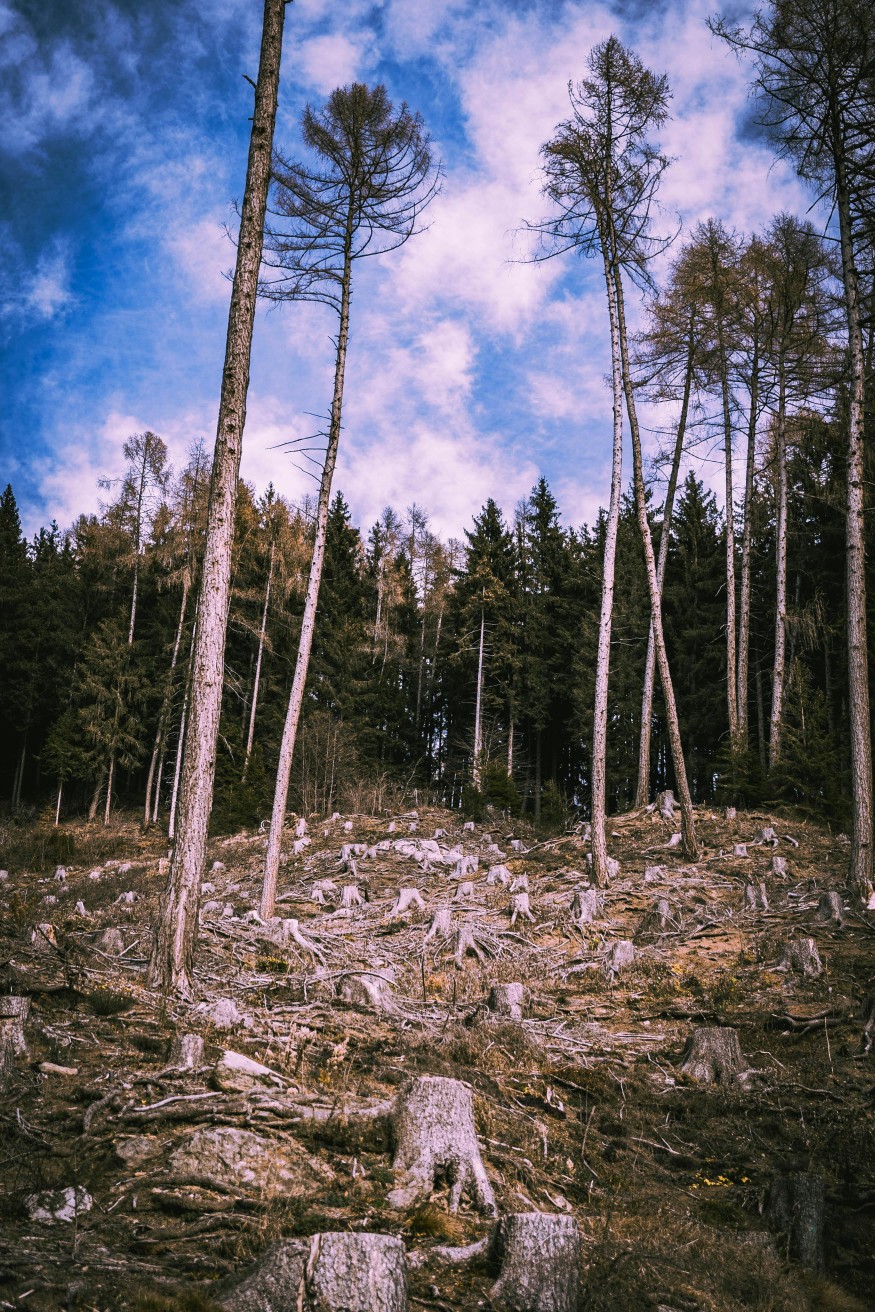
Forest loss surges across tropical regions in 2026, with deforestation rates climbing sharply due to agriculture, fires, and mining. These trends amplify environmental damage, stripping away carbon sinks and wildlife habitats while disrupting global weather patterns.
Amazon Basin Grapples with Intense Hotspots
The Brazilian Amazon stands out as a primary hotspot, where highways like BR-163 carve through dense canopy, opening lands for soy plantations and cattle pastures. Soy expansion alone has claimed millions of hectares, turning lush forests into vast monoculture fields. Local fires, often escaped from agricultural burns, scorch additional areas, pushing annual forest loss past critical thresholds.
Bolivia's Amazon flank matches this intensity, logging over 476,000 hectares of primary forest in recent years—a record driven by gold mining and crop shifts. Miners clear trees to access riverbeds, leaving scarred landscapes prone to erosion. These activities not only accelerate deforestation rates but also contaminate waterways, harming fish stocks and indigenous communities downstream.
Environmental damage here ripples outward. Biodiversity hotspots vanish, with species like jaguars and river dolphins facing steeper declines. Carbon emissions from felled trees contribute heavily to atmospheric warming, as decaying wood releases stored gases over years.
Protected areas suffer too. In Colombia's northwest "arc of deforestation," an 82% rise in forest loss since 2023 encroaches on Chiribiquete National Park, a UNESCO site rich in ancient rock art and endemic plants. Gold mining in Ecuador's northern Amazon mirrors this, with illegal operations dodging oversight to raze old-growth stands.
Emerging Threats in Guyana and Congo Basin
Guyana reports a four-fold spike in primary forest loss, with 60% linked to wildfires amid drier conditions. Illegal gold mining fills the gaps, using heavy machinery to bulldoze riverine forests. These combined pressures test the country's vast intact woodlands, long seen as a global carbon reserve.
Across the Atlantic, the Republic of the Congo sees forest loss jump 150%, fires taking 45% of the toll under hotter, prolonged dry spells. Logging roads penetrate deeper, easing access for poachers and farmers. Savannah encroachments nibble at edges, while urban demand for charcoal fuels small-scale clearing.
Deforestation rates in these zones outpace reforestation gains. Soil degradation follows, as exposed earth loses fertility and triggers landslides during rare rains. Indigenous groups lose traditional foraging grounds, heightening food insecurity.
Southeast Asia adds to the picture, though less dominant in 2026 data. Indonesia's peatlands smolder from past burns, releasing methane that worsens climate feedbacks. Palm oil estates expand quietly, fragmenting orangutan habitats.
Key Drivers Fueling Forest Loss Worldwide
Agriculture leads as the top force behind rising deforestation rates, accounting for about a third of global tree cover loss. Cattle ranching in Brazil devours pastures, while soy and palm oil plantations stretch across Latin America and Asia. These permanent conversions leave little room for regrowth.
Fires rank close behind, surpassing agriculture in some 2024-2026 trends due to drought and El Niño effects. Escaped burns from farms ignite vast tracts, especially in the Amazon and Congo, where hotter weather dries fuels faster.
Mining disrupts 15-20% of losses, particularly gold and rare earths in Bolivia, Ecuador, and Guyana. Roads built for access linger as invasion corridors, inviting settlers long after operations end.
Other factors compound the strain:
- Commercial logging targets high-value hardwoods, creating gaps that invite opportunists.
- Infrastructure like dams and highways fragments forests, blocking animal migrations.
- Urban sprawl near edges clears buffer zones, exposing interiors to wind and pests.
From MAAP reports and World Resources Institute data, these drivers interact—fires follow logging, mining sparks fires—creating feedback loops that hasten environmental damage. Biodiversity plummets, with 30% of species at risk in hotspots. Water cycles falter, leading to drier rains and megadroughts downstream.
Soil erosion strips top layers, reducing farm yields ironically in agricultural frontiers. Floods surge where roots once stabilized banks, displacing millions yearly.
Paths Forward Amid Accelerating Trends
Satellite monitoring tracks changes in near real-time, aiding enforcement against illegal cuts. Indigenous land rights strengthen when governments demarcate territories, as seen in pilot successes reducing Brazilian rates.
Supply chain reforms push zero-deforestation commitments for soy, beef, and palm oil. Certified products gain traction, pressuring traders to source responsibly.
Fire management evolves with early warning systems and community brigades trained to contain blazes. Reforestation mixes native species with agroforestry, restoring soil while providing income.
Policy shifts matter too. Carbon markets reward standing forests, funneling funds to guardians. International pacts target hotspots, blending aid with trade incentives.
From FAO insights and Global Forest Watch analyses, tropical primary forest loss rose 14% into 2026, with permanent shifts claiming 34% of cover. Brazil leads rates, followed by Bolivia, yet targeted actions show promise.
Current Deforestation Rates Signal Urgent Shifts
Deforestation rates expose vulnerabilities in 2026, with hotspots demanding focused intervention to curb forest loss and heal environmental damage. Brazil, Bolivia, Guyana, and Congo lead the surge, their patterns offering blueprints for global response. Swift, layered strategies can stabilize these ecosystems before tipping points lock in lasting harm.
Frequently Asked Questions
1. What are othe top deforestation hotspots in 2026?
Brazilian Amazon, Bolivia's lowlands, Guyana's interior, and Republic of the Congo rank highest. Soy expansion, mining, and fires drive rapid forest loss in these areas.
2. Why are deforestation rates rising this year?
Drier conditions spark more wildfires, while agriculture and gold mining clear land faster. Trends from 2024-2025 carry forward, outpacing global slowdowns elsewhere.
3. How does forest loss cause environmental damage?
It releases stored carbon, erodes soil, and wipes out habitats for thousands of species. Disrupted water cycles lead to droughts and floods far beyond the cleared zones.
4. Which country has the highest deforestation rates?
Brazil leads, especially in the Amazon, followed by Bolivia. Their rates dwarf others due to agricultural frontiers and escaped fires.
5. Can deforestation be stopped in these hotspots?
Satellite monitoring, indigenous protections, and supply chain rules show results. Zero-deforestation pledges for soy and beef help slow the pace where enforced.
6. What role do fires play in current forest loss?
Fires now claim up to 45-60% in places like Guyana and Congo, fueled by drought. They often start from farm burns and spread unchecked.
7. How much primary forest disappeared recently?
Tropical primary forest loss hit record levels, up 14% into 2026, with over 476,000 hectares gone in Bolivia alone.
© 2026 NatureWorldNews.com All rights reserved. Do not reproduce without permission.


