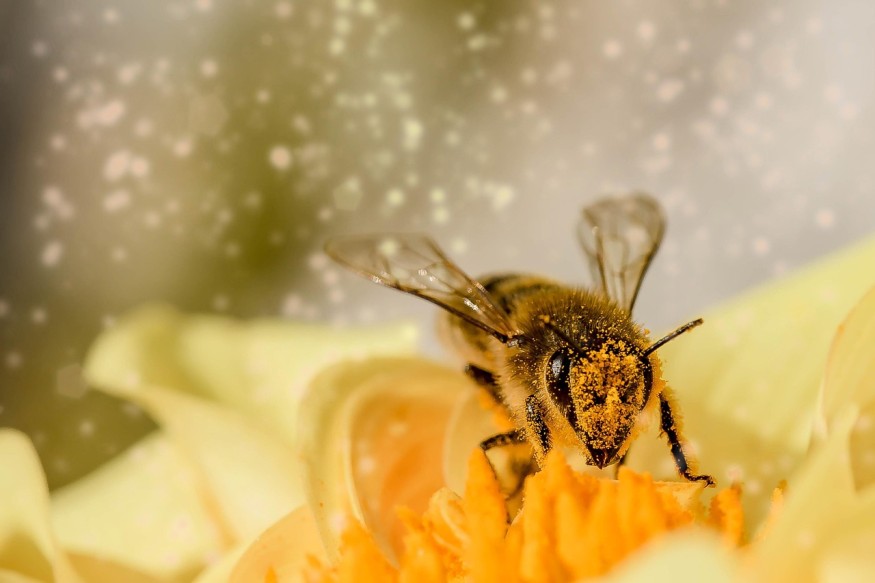
Pollinators play a vital role in ecosystems, but their ability to move efficiently between flowers is just as fascinating as the work they do. Pollinator navigation relies on a combination of sensory systems, including smell and sight cues and even magnetoreception.
These mechanisms help pollinators locate food, return to their nests, and optimize foraging routes in complex environments. Understanding how pollinators navigate offers insight into both their survival and the health of global food systems.
What Are Pollinators and Why Is Navigation Important?
Pollinators include a wide range of species such as bees, butterflies, moths, birds, and bats. These animals transfer pollen between flowers, enabling plant reproduction and supporting biodiversity. Without pollinators, many crops and wild plants would struggle to reproduce.
Navigation is essential for pollinators because their survival depends on efficient foraging. They must locate nectar-rich flowers, remember profitable feeding spots, and return safely to their nests or hives. Strong pollinator navigation skills reduce energy waste and increase their chances of survival in competitive environments.
The Role of Smell in Pollinator Navigation
Smell is one of the most powerful tools pollinators use when searching for food. Flowers release volatile chemical compounds that act as signals, guiding pollinators toward nectar sources even from a distance. Bees, for example, can detect specific floral scents and associate them with rewards.
Scent trails also help pollinators differentiate between flower species. This allows them to focus on plants that provide the most nectar, improving foraging efficiency. In some cases, pollinators remember scent patterns and revisit the same flowers, creating predictable foraging routes.
Smell becomes especially important in low-visibility conditions, such as dense vegetation or during early morning and evening hours. In these situations, smell and sight cues often work together, allowing pollinators to navigate more effectively.
How Do Pollinators Use Visual Cues to Find Flowers?
Visual information plays a key role in pollinator navigation, particularly during daylight hours. Many pollinators can see colors differently than humans. Bees, for instance, detect ultraviolet patterns on flowers, which act as "nectar guides" directing them to food sources.
Flower shape and symmetry also influence pollinator behavior. Symmetrical blooms are easier to recognize and remember, helping pollinators quickly identify rewarding plants. Bright colors such as blue, yellow, and purple are especially attractive to many species.
In addition to flowers, pollinators use environmental visual cues to orient themselves. The position of the sun helps them maintain direction, while polarized light patterns in the sky provide additional guidance. These visual signals often complement smell, forming a combined navigation system that supports efficient foraging.
Magnetoreception: Do Pollinators Use Earth's Magnetic Field?
Magnetoreception refers to the ability to detect Earth's magnetic field. While it is commonly associated with migratory birds, research suggests that some pollinators, particularly bees, may also use magnetic cues.
Studies have shown that bees can respond to changes in magnetic fields and may use them as part of their internal navigation system. This ability could help them orient themselves when visual or scent cues are limited.
Magnetoreception is still an emerging area of research, but it is believed to contribute to long-distance pollinator navigation. When combined with smell and sight cues, magnetic sensitivity may provide a more stable reference point, especially in unfamiliar or changing environments.
How Do Bees Navigate Back to Their Hive?
Bees are among the most well-studied pollinators when it comes to navigation. One of their most remarkable behaviors is the waggle dance, a communication method used to share information about food sources. Through specific movements, bees indicate the direction and distance of flowers relative to the sun.
In addition to social communication, bees rely on memory and spatial awareness. They create mental maps of their surroundings, remembering landmarks such as trees, rocks, and buildings.
Pollinator navigation in bees is highly adaptive. They combine smell and sight cues with learned experiences and possibly magnetoreception to find their way back to the hive. This multi-layered approach ensures accuracy even when conditions change.
Do All Pollinators Navigate the Same Way?
Not all pollinators use identical navigation strategies. While bees rely heavily on smell and sight cues, butterflies often depend more on visual signals and environmental landmarks. Some species of butterflies also migrate over long distances, using the sun's position as a compass.
Bird pollinators, such as hummingbirds, use sharp vision to locate brightly colored flowers. They also remember feeding locations and follow consistent routes during foraging.
Bats, which are nocturnal pollinators, rely more on smell and echolocation. Their navigation systems are adapted to low-light environments, highlighting how different species evolve unique solutions for pollinator navigation.
How Does Foraging Behavior Influence Navigation?
Foraging behavior is closely tied to navigation efficiency. Pollinators aim to maximize energy intake while minimizing effort. This leads to the development of optimized routes, often referred to as "traplines," where pollinators visit flowers in a predictable sequence.
Learning plays a significant role in this process. Pollinators remember which flowers provide the best rewards and adjust their routes accordingly. Over time, they refine their navigation patterns to improve efficiency.
Environmental factors such as flower density and competition also influence foraging strategies. In resource-rich areas, pollinators may rely more on memory, while in sparse environments, they depend more heavily on smell and sight cues to locate new food sources.
Threats to Pollinator Navigation Systems
Modern environmental changes are increasingly disrupting pollinator navigation. One major issue is air pollution, which can interfere with floral scents. When smell cues are weakened, pollinators may struggle to locate flowers.
Light pollution is another concern. Artificial lighting can confuse pollinators that rely on natural light patterns, affecting their ability to navigate and forage effectively.
There is also growing interest in how electromagnetic pollution might impact magnetoreception. While research is ongoing, some studies suggest that human-made electromagnetic fields could disrupt magnetic sensing in certain species.
Habitat loss and climate change further complicate pollinator navigation by altering landscapes and shifting flowering patterns. These changes make it harder for pollinators to rely on familiar routes and cues.
Why Pollinator Navigation Matters for Ecosystems
Pollinator navigation is directly linked to ecosystem stability and food production. Efficient navigation ensures that pollinators can continue transferring pollen between plants, supporting crop yields and maintaining biodiversity.
When navigation systems are disrupted, pollination rates can decline. This has ripple effects across ecosystems, impacting plant reproduction and the animals that depend on those plants.
Understanding how pollinators use smell and sight cues, along with magnetoreception, helps researchers develop strategies to protect these species. Conservation efforts often focus on reducing pollution, preserving habitats, and planting pollinator-friendly gardens.
The Science Behind Pollinator Navigation and Why It Matters
Pollinator navigation is a complex system that combines smell and sight cues with emerging evidence of magnetoreception. These mechanisms allow pollinators to forage efficiently, adapt to changing environments, and maintain critical ecological processes.
As threats to these systems grow, studying pollinators becomes increasingly important for protecting biodiversity and ensuring food security. By understanding how pollinators navigate, scientists and communities can better support the species that keep ecosystems functioning.
Frequently Asked Questions
1. Can pollinators navigate in urban environments?
Yes, many pollinators adapt to cities by using gardens, parks, and even small green spaces, though navigation can be harder due to pollution and fewer natural cues.
2. How far can pollinators travel while foraging?
It varies by species, honeybees can travel up to 5–10 km, while smaller insects typically stay within a few hundred meters.
3. Do weather conditions affect pollinator navigation?
Yes, wind, rain, and temperature changes can disrupt smell and sight cues, making it harder for pollinators to locate flowers and return home.
4. Are artificial flowers effective for studying pollinator navigation?
Yes, researchers often use artificial flowers to control variables like color and scent, helping them understand how pollinators respond to specific cues.
Originally published on Science Times
© 2026 ScienceTimes.com All rights reserved. Do not reproduce without permission. The window to the world of Science Times.


