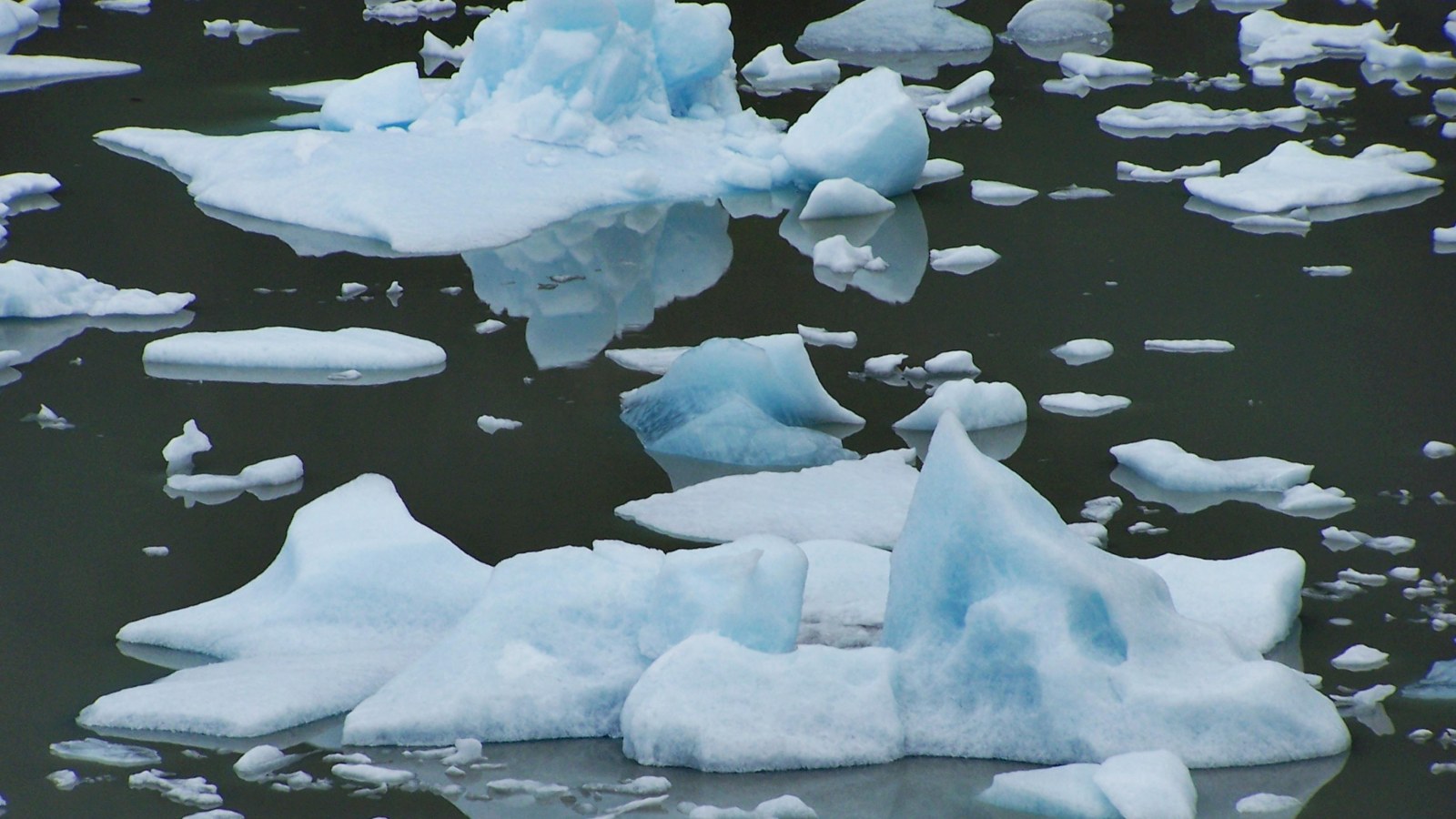
Antarctica has long been viewed as one of Earth's most stable frozen regions, but scientists are now warning that major changes are happening beneath the ice. New research shows that Antarctica melting from below is accelerating in ways researchers did not fully expect, raising concerns about rising sea levels and long-term climate instability.
Scientists Are Finding Hidden Heat Beneath Antarctica
For decades, researchers focused heavily on atmospheric warming in Antarctica. Now, many experts believe the ocean may be playing an even larger role in destabilizing the continent's ice.
The biggest concern involves relatively warm seawater moving underneath floating ice shelves. These shelves extend from the Antarctic continent into the ocean and act like natural barriers that help slow the movement of glaciers. When warmer water slips beneath the shelves, it melts the ice from underneath. Scientists refer to this as basal melting.
Unlike surface melting caused by warm air, this hidden process happens underwater. Warm ocean currents are creeping beneath massive glaciers and ice shelves, slowly weakening them from the bottom upward. Researchers say this form of Antarctic ice shelf melting may become one of the defining climate threats of the century. A recent report highlighted by ScienceDaily explained that warm seawater trapped beneath Antarctic ice shelves is causing more aggressive melting than earlier climate models predicted. Scientists studying the continent say the findings could reshape expectations for future sea-level rise.
Researchers say Antarctica melting from below is especially dangerous because much of the damage remains hidden beneath thick layers of ice. In some cases, glaciers may appear stable from above while weakening rapidly underwater. According to the new findings discussed by ScienceDaily, some areas beneath the ice shelves are melting unevenly, creating vulnerable zones where the structure weakens faster than expected.
Why Antarctic Ice Shelf Melting Matters Globally
Antarctic ice shelves themselves already float on water, so their melting does not directly raise sea levels. The bigger issue is what happens afterward. These shelves act as support systems that hold back massive land-based glaciers. Once the shelves weaken or collapse, glaciers behind them can slide into the ocean much faster.
Scientists are particularly worried about several major glaciers in West Antarctica, including Thwaites Glacier, often called the "Doomsday Glacier." Researchers studying Thwaites have found that warm ocean water is flowing beneath the glacier's ice shelf and increasing structural instability. If the glacier continues retreating, it could contribute significantly to global sea-level rise over time.
Other regions showing signs of concern include:
- Pine Island Glacier
- Ross Ice Shelf
- Denman Glacier
- Parts of the West Antarctic Ice Sheet
The growing pace of Antarctic ice shelf melting has become one of the most urgent topics in climate science because Antarctica contains enough ice to dramatically affect coastlines around the world.
The Ocean's Role in Antarctica Climate Change
One reason scientists are increasingly alarmed is the role of the Southern Ocean. Researchers have found that the ocean surrounding Antarctica absorbs large amounts of excess heat trapped by greenhouse gases. Instead of staying near the surface, some of this heat travels through deeper ocean currents toward the continent. A major contributor is Circumpolar Deep Water, a relatively warm body of seawater circulating around Antarctica. Changes in wind patterns and ocean circulation appear to be pushing this water closer to vulnerable glaciers.
Organizations such as NASA and British Antarctic Survey have spent years tracking how warmer oceans are destabilizing Antarctic ice. Scientists say Antarctica climate change is no longer just about rising air temperatures. Ocean warming is now considered one of the most powerful drivers of ice loss. Several recent studies also suggest that earlier climate models underestimated how much warm water could enter cavities beneath ice shelves. That means sea-level projections could potentially rise if underwater melting continues accelerating.
How Antarctica Melting From Below Could Affect Coastal Cities
The consequences of Antarctic ice loss extend far beyond the polar regions. Even modest sea-level increases can worsen flooding during storms, damage infrastructure, and threaten freshwater supplies in low-lying areas. Many coastal cities already experience more frequent flooding events linked to rising seas.
Potential impacts include:
- Stronger storm surges during hurricanes and cyclones
- Faster coastal erosion
- Saltwater contamination of drinking water
- Increased insurance and infrastructure costs
- Displacement of vulnerable populations
Scientists from the Intergovernmental Panel on Climate Change have repeatedly warned that melting polar ice will remain a major long-term challenge for governments worldwide. Although Antarctica's complete ice sheet would take centuries to melt, researchers stress that even smaller changes happening today can create serious global consequences.
Read Also: Scientists Discover Dinosaur Colors and Hidden Dinosaur Color Patterns Lost for Millions of Years
Could Antarctica Reach a Climate Tipping Point?
One of the biggest fears surrounding Antarctica climate change is the possibility of tipping points. A climate tipping point happens when environmental changes become self-sustaining and difficult to reverse. In Antarctica, this could occur if glaciers retreat beyond certain geographic barriers that currently help stabilize the ice.
Once retreat begins in some areas, warm ocean water may continue driving further melting regardless of future climate improvements. Scientists are still debating exactly how close Antarctica may be to these thresholds, but concern has increased sharply in recent years.
Research teams have used satellites, underwater robots, aircraft radar systems, and ocean sensors to better understand how Antarctic glaciers are changing. Some studies now suggest parts of West Antarctica may already be undergoing irreversible retreat patterns.
New Technology Is Revealing What Happens Beneath the Ice
Studying Antarctica remains incredibly difficult because so much activity occurs beneath thick layers of ice in remote and dangerous conditions. To improve understanding of Antarctic ice shelf melting, researchers now rely on advanced technologies such as:
- Autonomous underwater vehicles
- Ice-penetrating radar
- Satellite imaging systems
- Deep-ocean sensors
- Climate simulation models
These tools allow scientists to observe ocean temperatures, glacier movement, and hidden melt channels beneath the ice shelves. The new data has dramatically improved understanding of Antarctica melting from below and revealed just how dynamic the region has become.
Researchers say continued monitoring will be essential because conditions in Antarctica can change rapidly.
Why Scientists Believe Faster Action Matters
Many climate researchers say reducing greenhouse gas emissions remains the most important step for slowing future warming. Limiting ocean heat buildup could help reduce the pace of Antarctic ice shelf melting over the coming decades. Scientists also emphasize the importance of improving climate adaptation strategies for vulnerable coastal regions.
While there is still uncertainty about exactly how quickly Antarctica will change, recent discoveries suggest the continent may be more fragile than once believed. The hidden melting happening beneath the ice is no longer viewed as a distant problem. It is increasingly seen as a major global climate issue with long-term consequences for ecosystems, economies, and coastlines worldwide.
Frequently Asked Questions
1. Why is Antarctica melting from below?
Antarctica is melting from below because warmer ocean water is moving underneath ice shelves and glaciers. This water melts the ice from the bottom upward, weakening large sections of Antarctica over time.
2. What is Antarctic ice shelf melting?
Antarctic ice shelf melting refers to the thinning and weakening of floating ice shelves surrounding Antarctica. Scientists are especially concerned because these shelves help slow the movement of glaciers into the ocean.
3. Why is Antarctica climate change important globally?
Antarctica climate change matters because melting ice can raise global sea levels, increase flooding risks, and disrupt weather and ocean systems worldwide.
© 2026 NatureWorldNews.com All rights reserved. Do not reproduce without permission.


