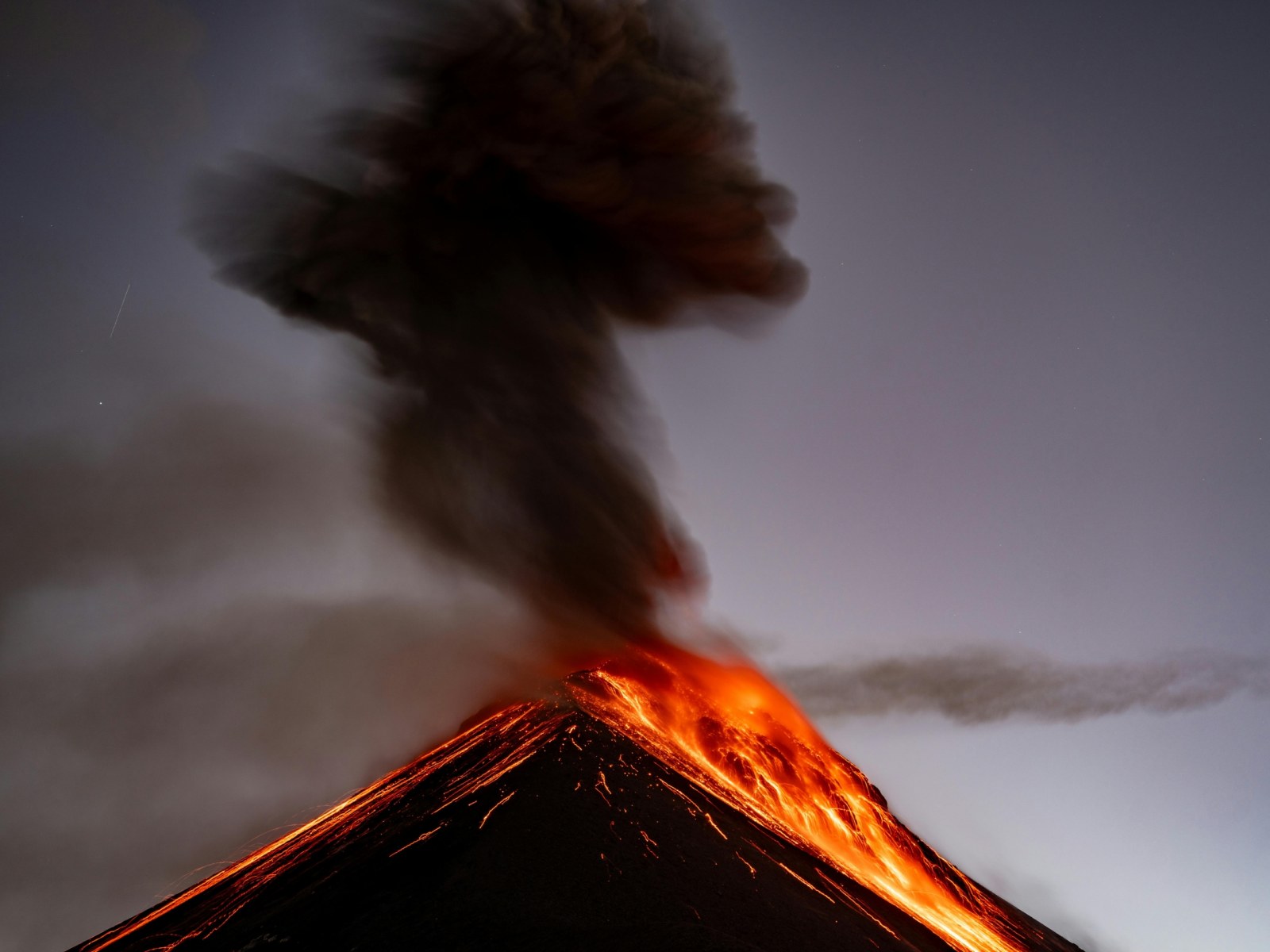
Climate change researchers are searching for faster and more effective ways to reduce greenhouse gases as global temperatures continue rising. While renewable energy, electric transportation, and reforestation remain important strategies, scientists are now investigating something far more unexpected: erupting volcanoes. Recent discoveries tied to volcanic activity have sparked new interest in a possible volcano climate change solution that could help remove harmful gases from the atmosphere and permanently store carbon underground.
Why Scientists Are Studying Volcanoes Again
Volcanoes have always played a role in Earth's climate system. Large eruptions can release sulfur dioxide, ash, carbon dioxide, and water vapor into the atmosphere. Some eruptions temporarily cool the planet because sulfur particles reflect sunlight away from Earth.
But scientists recently noticed another possible effect linked to volcanic eruptions. According to research discussed by Gizmodo, the Hunga Tonga eruption may have triggered chemical reactions that helped destroy methane in parts of the atmosphere. Methane is one of the most dangerous greenhouse gases because it traps far more heat than carbon dioxide in the short term. This discovery surprised many climate researchers because volcanoes are usually associated with releasing gases into the atmosphere, not removing them.
Scientists believe volcanic plumes may increase the production of hydroxyl radicals, which are chemicals that naturally break down pollutants and methane in the atmosphere. These radicals are often described as the atmosphere's cleaning system.If researchers can better understand how volcanic eruptions trigger these reactions, they may eventually develop artificial systems inspired by volcanic chemistry.
Why Methane Matters So Much in Climate Change
Carbon dioxide receives most of the attention in climate discussions, but methane is a major driver of short-term warming. Scientists estimate methane traps more than 80 times as much heat as carbon dioxide over a 20-year period. Major methane sources include:
- Oil and gas production
- Livestock farming
- Coal mining
- Landfills
- Wetlands
Unlike carbon dioxide, methane does not stay in the atmosphere for centuries. It breaks down faster, which means reducing methane emissions can create faster climate benefits.
That is one reason methane removal volcano eruption research has gained so much attention. If scientists can safely replicate methane-destroying atmospheric reactions, it could become an important climate tool in the future.
What Is Volcanic Carbon Capture?
While methane removal research is still developing, volcanic carbon capture is already being tested in real-world projects.
Volcanic carbon capture involves using basalt rock formed from cooled lava. Basalt contains minerals such as calcium and magnesium that naturally react with carbon dioxide.
When carbon dioxide is injected underground into basalt formations, chemical reactions slowly convert the gas into solid carbonate minerals. Instead of storing carbon dioxide as compressed gas, the carbon becomes part of the rock itself. This process is called mineral carbonation.
Researchers consider this method especially promising because it offers permanent carbon storage with a lower risk of leakage compared to traditional underground storage systems.
Iceland's Carbfix Project Is Leading the Way
One of the most famous volcanic carbon capture projects is Carbfix in Iceland. The project works by capturing carbon dioxide from industrial sources or direct air capture systems before dissolving the gas in water and injecting it deep underground into volcanic basalt rock. Scientists originally believed the mineralization process would take hundreds of years. Instead, Carbfix researchers discovered the carbon transformed into stone within only a few years.
According to information from Carbfix and several climate research publications, more than 95% of injected carbon dioxide mineralized much faster than expected. The project has become one of the strongest examples of how volcanic carbon capture could work on a larger scale.
Iceland has become an ideal location because of its volcanic geology and renewable geothermal energy resources. Companies such as Climeworks have also partnered with Icelandic projects to capture carbon directly from the atmosphere before storing it underground
Read Also: How Airborne Microplastics and Nanoplastics Contribute to Climate Change and Atmospheric Warming
Benefits of a Volcano Climate Change Solution
Scientists see several possible advantages in volcano-inspired climate technologies.
1. Permanent Carbon Storage
Unlike some storage methods that keep carbon dioxide in gas form underground, volcanic carbon capture transforms the gas into stone.
2. Lower Risk of Leakage
Once carbon mineralizes inside basalt rock, the risk of future leakage becomes extremely low.
3. Faster Climate Impact Through Methane Reduction
Methane removal technologies could potentially reduce warming faster than carbon dioxide reductions alone.
4. Natural Geological Processes
The system relies on reactions already occurring naturally within Earth's geology.
5. Support for Hard-to-Decarbonize Industries
Industries such as cement, steel, and aviation may eventually use carbon capture systems to offset emissions that are difficult to eliminate completely.
Challenges Scientists Still Need to Solve
Despite the excitement, researchers warn that volcano climate change solution technologies still face major obstacles.
High Costs
Direct air capture and underground injection systems remain expensive to build and operate.
Energy Demands
Carbon capture systems require large amounts of electricity and infrastructure.
Geographic Limitations
Volcanic carbon capture works best in regions with basalt rock formations. Not every country has suitable geology.
Water Usage
Some carbon mineralization systems require significant amounts of water during the injection process.
Scientific Uncertainty
Methane removal volcano eruption chemistry is still being studied. Researchers do not yet know whether volcanic atmospheric reactions can be safely reproduced on a global scale.
Other Nature-Based Climate Technologies
Volcano-inspired research is only one part of a broader effort to develop natural climate solutions. Other emerging technologies include:
- Enhanced weathering using crushed rock
- Ocean carbon removal systems
- Reforestation and forest restoration
- Biochar carbon storage
- Soil carbon sequestration
Many climate experts believe no single technology will solve climate change alone. Instead, future climate strategies will likely combine emission reductions with multiple carbon removal systems.
Why Volcano Research Could Shape Future Climate Policy
Interest in volcanic carbon capture is growing because governments and scientists increasingly recognize that reducing emissions alone may not be enough. Many climate models now suggest some form of carbon removal will be necessary to meet international climate goals.
Organizations such as the Intergovernmental Panel on Climate Change have repeatedly discussed carbon removal technologies in long-term climate planning.
Meanwhile, research covered by Gizmodo and several scientific journals has shown that volcanic eruptions may reveal atmospheric processes scientists did not fully understand before.
These discoveries are helping researchers rethink how natural Earth systems interact with greenhouse gases.
Volcanoes May Hold Unexpected Climate Answers
Volcanoes are often associated with destruction, ash clouds, and environmental disasters. But recent research suggests they may also offer valuable clues for slowing global warming.
Volcanic carbon capture projects are already demonstrating how carbon dioxide can be permanently locked underground inside volcanic rock formations. At the same time, methane removal volcano eruption studies are revealing how volcanic chemistry could influence atmospheric greenhouse gases in ways scientists are only beginning to understand.
While these technologies are still developing, they represent a growing shift toward using natural geological processes as part of future climate strategies. Scientists continue to study whether volcano-inspired systems can become scalable enough to support global climate goals in the decades ahead.
Frequently Asked Questions
1. How do volcanoes help fight climate change?
Scientists are studying how volcanic chemistry may remove methane from the atmosphere and how volcanic rock can permanently store carbon dioxide underground.
2. What is volcanic carbon capture?
Volcanic carbon capture is a process where carbon dioxide is injected into volcanic basalt rock and converted into solid minerals through natural chemical reactions.
3. Why is methane dangerous for the climate?
Methane traps far more heat than carbon dioxide over short periods, making it a major contributor to rapid global warming.
© 2026 NatureWorldNews.com All rights reserved. Do not reproduce without permission.


