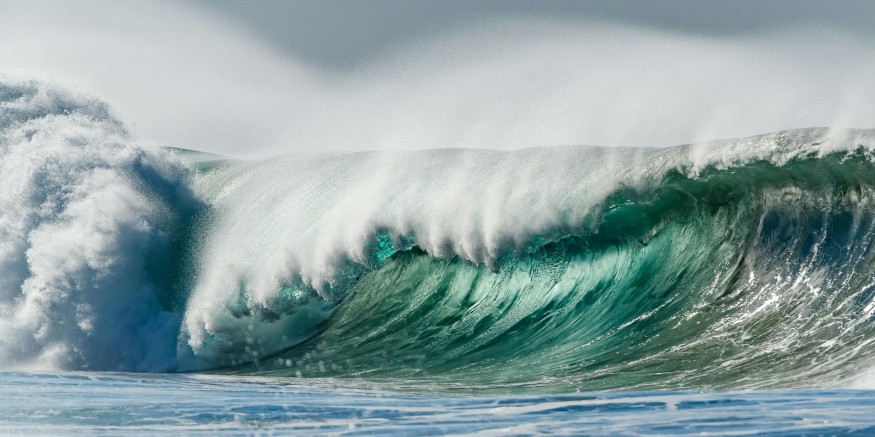
Tsunamis barrel through oceans with unrelenting force, upending the lives of countless sea creatures in their wake. These towering waves, often sparked by undersea quakes, reshape seafloors and challenge the survival instincts of tsunami ocean animals from tiny plankton to massive whales.
What Happens to Marine Animals During a Tsunami?
When a tsunami builds offshore, the ocean floor shifts dramatically, creating waves that travel thousands of miles with deceptive calm in deep water. Tsunami ocean animals in the open sea barely notice at first—the surface might rise just a foot or two, allowing fish and squid to swim undisturbed. But as waves near shore, everything changes.
The initial drawback sucks water seaward like a colossal vacuum, stranding marine wildlife tsunami populations on exposed beaches. Crabs scuttle in panic, seabirds flap desperately, and even dolphins get pulled inland. Then the wall of water crashes back, hurling debris—cars, trees, boulders—at ferocious speeds. Coral reefs shatter under the onslaught, while kelp forests tear loose, tumbling through currents like confetti.
Deeper dwellers fare better. Sharks and tuna sense pressure drops via specialized organs and dive deeper, evading the chaos. Coastal species, however, face suffocation from stirred-up mud that clogs gills and buries burrows. Discover Wildlife notes how this dual pull-push motion strands more land animals than sea ones initially, but the real toll hits benthic life hardest.
- Sudden pressure shifts alert open-ocean species to flee downward.
- Coastal drawback exposes crabs, snails, and fish to air and predators.
- Incoming surge smashes reefs, killing attached organisms like anemones.
- Sediments cloud water for days, starving filter-feeders.
Can Fish Survive a Tsunami?
Fish tsunami survival hinges on location, speed, and instincts honed over millennia. Pelagic fish—those roaming vast blue waters—often emerge unscathed. Their swim bladders adjust to minor wave undulations, and lateral lines detect vibrations long before impact. Schools of mackerel or sardines simply ride the swell, dispersing if needed.
Nearshore, the story darkens. Reef fish dart into crevices as water recedes, but the return flood blasts them free, slamming schools against pilings or rocks. Mortality spikes to 70-90% in shallow zones, per studies from the 2011 Japan event. Juveniles suffer worst, their small size no match for turbulent flows. Yet resilient species like damselfish rebound fast, laying eggs weeks later.
Post-tsunami, survivors migrate to cleaner waters, but scarred habitats mean fewer hiding spots from predators. Scuba Diving magazine highlights how some fish even "surf" waves offshore, using currents to relocate. Over time, larvae from distant reefs repopulate, but full recovery drags on.
- Open-ocean fish detect waves via lateral lines and dive.
- Reef dwellers hide in cracks during drawbacks.
- Flood phase crushes slow or trapped individuals.
- Rapid breeders like gobies restore numbers quickest.
Tsunami ocean animals showcase remarkable adaptability—many fish species evolved to handle storms, typhoons, and quakes, making tsunamis just another hazard in a perilous world.
Do Whales Survive Tsunamis and Face Whale Tsunami Impact?
Whale tsunami impact grabs headlines for its drama: massive cetaceans beached by forces they rarely encounter. Deep-diving sperm whales or blue whales cruise far offshore, where waves lose punch—perhaps a gentle roll at 30 meters down. Their buoyancy and size let them power through mild disruptions.
Shore-prowling humpbacks or orcas spell trouble. The drawback disorients them, stranding pods in shallows where they're battered by surf. Japan's recent strandings after quakes saw multiple whales wash up, exhausted and injured. Newsweek covered how rapid currents flip their navigation, exhausting these air-breathers who can't rest underwater.
Survival odds improve with distance—experts estimate offshore pods lose under 5% during events. Calves struggle most, separated from mothers amid foam and debris. Rescue teams race against tides, refloating giants before sunburn or pneumonia sets in. Long-term, scarred survivors alter migration paths, avoiding quake-prone zones.
- Offshore whales ride minimal surface rise.
- Nearshore pods stand during massive drawbacks.
- Currents cause disorientation and exhaustion.
- Human intervention boosts refloat success rates.
Marine wildlife tsunami events remind us that whales, despite majesty, remain vulnerable giants in nature's fury.
Read Also: Avalanche Safety Equipment: Transceivers, Probes, Shovels vs Slab Avalanches, Cornices & Airbags
How Tsunamis Reshape Marine Ecosystems Long-Term
Beyond immediate chaos, tsunamis trigger years of upheaval for marine wildlife tsunami chains. Seagrass meadows, vital nurseries, get scoured clean, starving herbivores like manatees and dugongs. Coral colonies, millennia old, fracture into rubble, inviting algae overgrowth that chokes regrowth.
Food webs unravel: plankton slicks from upwelled nutrients boom briefly, feeding opportunists, but predators starve as prey vanishes. Bivalves and urchins bury under meters of silt, collapsing base populations. Nature journal details how 2011's mega-tsunami in Japan halved abalone stocks for years, rippling to fisheries.
Recovery unfolds unevenly. Pioneer species like barnacles colonize debris first, followed by fish drawn to new structures. Mangroves and bays rebound in 2-5 years, shielding inland species. Pollutants—oils, plastics—linger, muting revival. Protected areas prove resilient, their bans on fishing speeding natural repair.
Here's how ecosystems stage a comeback:
- Months 1-3: Opportunistic algae and plankton explode.
- Year 1: Hardy fish and crustaceans repopulate shallows.
- Years 2-5: Corals spawn, kelp anchors new forests.
- Decade+: Slow-growers like abalone reclaim niches.
Tsunami ocean animals don't just endure—they evolve amid wreckage. Fish tsunami survival tactics sharpen, whales detour hazards, and reefs emerge tougher. Nature's blueprint favors resilience, turning disaster into renewal.
Key Tsunami Survival Strategies for Ocean Animals
Watching marine wildlife tsunami dynamics reveals clever adaptations across species. Deep-sea squid jet away on ink clouds, masking escapes. Turtles haul onto safer beaches pre-event, sensing tremors. Seabirds soar high, scouting calm waters.
Humans aid too: early warnings let aquariums secure tanks, while post-event cleanups clear toxins. Restoring wetlands buffers future hits, as seen in Thailand after 2004. Casual mentions like those in Discover Wildlife or Scuba Diving underscore these patterns without hype.
Ultimately, tsunami ocean animals prove oceans' tenacity. Mangroves rebuilt, fish schools thicken, whales sing again. Strengthening habitats honors their grit, preparing seas for whatever surges next.
Frequently Asked Questions
1. What Happens to Marine Animals During a Tsunami?
Tsunami ocean animals in deep water often sense pressure changes and dive deeper, avoiding major harm. Coastal species face the worst: the seaward pull strands crabs and fish, while returning waves crush reefs and bury benthic life under sediment.
2. Can Fish Survive a Tsunami?
Yes, many fish tsunami survival rates stay high offshore, where waves cause minimal disturbance. Reef fish hide in crevices during drawback but suffer up to 80% losses from debris and currents near shore.
3. Do Whales Survive Tsunamis?
Whale tsunami impact depends on proximity; deep-water pods ride out waves easily, but nearshore groups strand from disorienting currents, as seen in recent Japan events.
© 2026 NatureWorldNews.com All rights reserved. Do not reproduce without permission.


