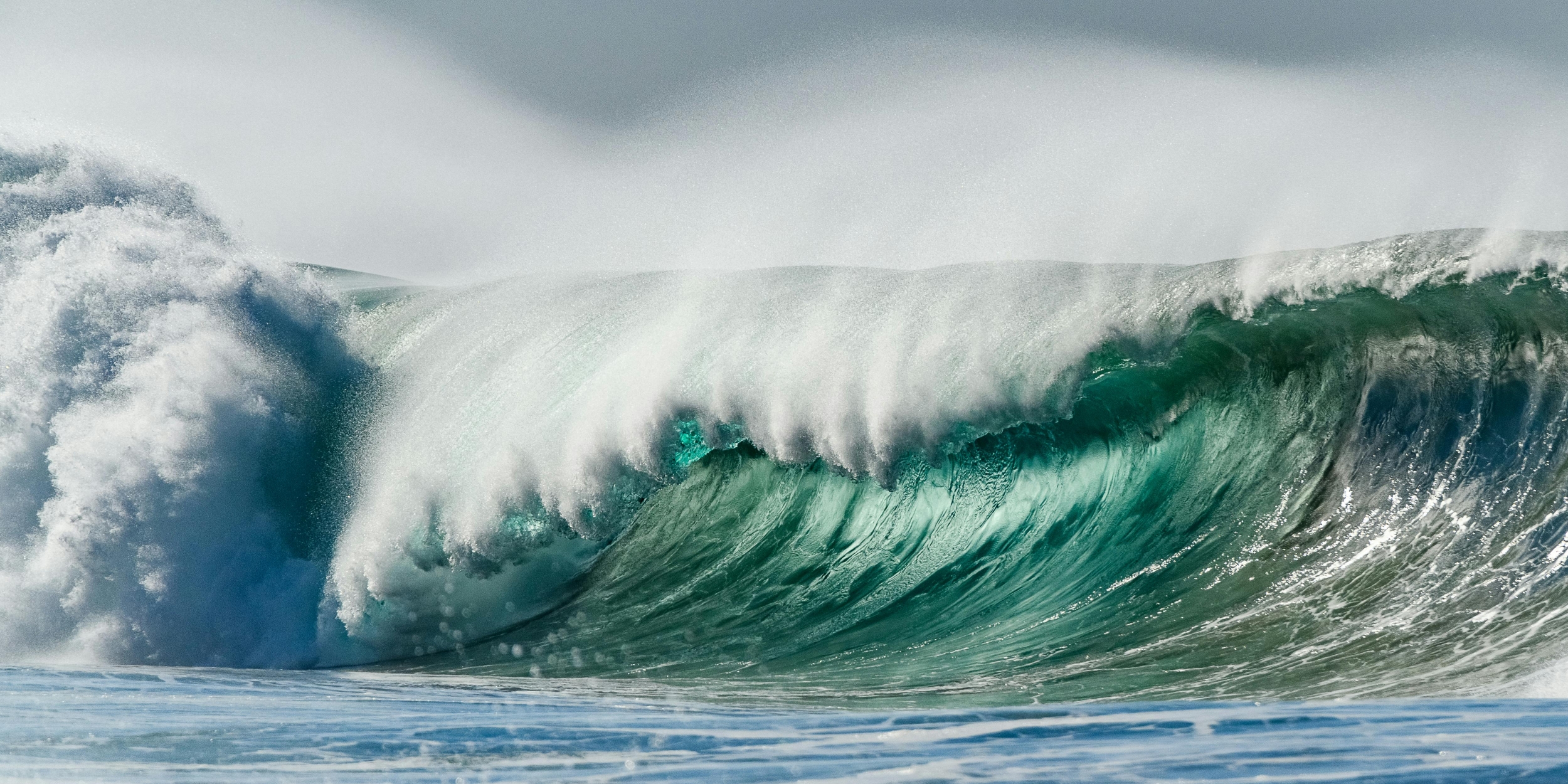
Tsunamis crash into coastal areas with brutal force, often triggered by undersea earthquakes and leaving devastation in their wake. Scientists race to expand warning times through sophisticated tsunami early warning systems and evolving tsunami prediction techniques, offering communities precious extra moments to seek safety.
What Powers a Tsunami Early Warning System?
Tsunami early warning systems weave together a vast global network of sensors, data pipelines, and high-speed analysis to identify threats almost instantly. Here's how the core components drive the process:
- Seismometers worldwide kick things off – Over 600 stations on land, islands, and seafloors detect initial quakes, measuring magnitude, depth, and location in 2-3 minutes.
- DART buoys in the deep ocean confirm waves – More than 40 units track water pressure changes from waves as small as 2-3 cm, relaying data via satellite in under 3 minutes.
- Coastal tide gauges validate onshore risks – Around 500 sensors update sea levels every 1-5 minutes, spotting amplification as waves near shore.
- Computer models forecast impacts – Centers process data to predict paths, heights (90% accurate for distant waves), and arrivals within 1-2 minute margins.
- Alerts blast through multi-channels – Sirens, texts, TV, and apps reach 80% of at-risk populations in monitored zones within 5 minutes of confirmation.
National hubs like the Pacific Tsunami Warning Center in Hawaii oversee vast regions, issuing bulletins to 26 member states. Indian Ocean networks, expanded after the 2004 disaster with 25 centers, now protect 2.7 million square kilometers of coastline.
Earthquakes spark 80% of tsunamis, but not all qualify—systems target shallow events over magnitude 7.0 with vertical seafloor shifts. Models use bathymetry maps (100m resolution) to simulate shoaling (height gains up to 10x), bending, and bay effects.
False alarms hit about 15% of cases; preliminary seismic warnings (1-2 minutes) refine with ocean data 70-80% of the time within 10 minutes. During Japan's 2011 magnitude 9.0 Tohoku quake, alerts arrived in 3 minutes, saving an estimated 20,000+ lives amid 40-meter waves.
Buoy maintenance costs near $50 million yearly against corrosion and storms. Satellites provide 90% seismic backup from orbit. This numbered chain scales detection into survival.
Read Also: Ocean Warming's White Plague: The Alarming Reason Bleached Corals Struggle to Bounce Back
How New Tech Improves Tsunami Prediction
Traditional systems give minutes locally and hours distantly—local tsunamis hit in under 15 minutes from offshore quakes. Distant ones, like Alaska to Hawaii, offer 2-3 hours.
Cutting-edge innovations target those razor-thin margins. Underwater acoustic sensors listen for hydroacoustic waves from ruptures traveling at 1,500 m/s—four times faster than tsunamis. Analysis yields wave size estimates 5-10 minutes ahead, boosting local lead times by 20-30%.
Artificial intelligence revolutionizes the decision pipeline. Machine learning algorithms, fed vast archives of historical quakes and tsunamis, classify threats in fractions of a second. They distinguish harmless slips from tsunami-spawning ruptures by patterns in shake data, fault orientation, and aftershock sequences. These models slash false alarms while processing blended inputs from multiple sources. NOAA specialists emphasize how AI elevates accuracy, drawing from real deployments that handled complex scenarios like multi-fault quakes.
Supercomputing power fuels dynamic forecasting. Massive machines simulate millions of wave scenarios in real time, incorporating tides, winds, currents, and hyper-detailed seabed charts. Inundation maps zoom to street level, showing flood zones block by block. As fresh reports stream in—from buoys or coastal sensors—models iterate, issuing refined bulletins every few minutes. Satellite constellations guarantee connectivity; even battered remote buoys uplink data through laser or radio links amid rough seas.
Coastal tech advances include next-gen GPS buoys that track absolute water heights with centimeter precision, outpacing traditional gauges vulnerable to debris. Seafloor bottom pressure recorders, toughened against quakes, detect waves meters below the surface before they rear up onshore. In high-threat corridors like the Pacific Ring of Fire—home to 80% of the world's largest quakes—networks thicken with added instruments, funded by international pledges.
Higher-altitude tricks enter the mix too. Ionospheric detectors aboard satellites catch plasma disturbances rippling upward from massive quakes, a reliable tsunami proxy. Post-event drone swarms could launch from shore stations, scanning waves visually and relaying infrared readings to sharpen models. Over 30 countries now interconnect warnings via platforms like the UNESCO-IOC system, pooling resources for hemispheric vigilance.
Obstacles endure: ocean extremes wreck equipment yearly, with replacement tabs hitting tens of millions. Geopolitical frictions sometimes bottleneck data sharing. Yet funding accelerates—nations commit billions to fortify coasts, blending tech with infrastructure like vertical evacuation towers for flat terrains and elevated roadways.
Communities layer in human smarts. Detailed hazard maps outline escape paths, annual drills ingrain muscle memory, and public education spotlights nature's cues: extended shaking, sudden seaward pulls, or eerie offshore roars.
Common Questions on Tsunami Early Warning Systems
- Can tsunamis form without earthquakes? Yes, submarine landslides (20% of cases), volcanic eruptions (5%), or even asteroid impacts spark some, though earthquakes dominate and get most monitoring focus.
- What's the difference between a watch and a warning? A watch signals potential threat (30-50% risk)—gather supplies and monitor updates. A warning verifies incoming waves (80%+ confirmed)—evacuate to high ground without hesitation.
- How much time do people typically get? Local sources yield 5-30 minutes; regional events offer 1-3 hours, scaled by source distance (700 km/h average speed) and alert speed.
- Do all quakes cause tsunamis? Far from it—only 10-20% qualify: shallow (<70 km) undersea ones with >5m seafloor displacement. AI tools now evaluate these traits in seconds.
- What natural signs signal a tsunami? Prolonged ground shaking (>2 minutes), rapid sea withdrawal (up to 1 km), or a distant thunder-like roar demand immediate inland movement.
- How do systems handle false alarms? Preliminary alerts use conservative thresholds (magnitude >7.5), refined by ocean data to minimize unnecessary actions (15% rate) while prioritizing safety.
Apps like those from national agencies push geo-targeted notices, while signage and school programs build awareness. PreventionWeb details acoustic innovations poised to transform near-shore warnings. Progress metrics shine through: post-2004 upgrades cut casualties in subsequent events dramatically.
Strengthening Tomorrow's Tsunami Defenses
Tsunami early warning systems mesh with honed tsunami prediction capabilities to widen preparation gaps reliably. Packed sensor grids, AI precision, acoustic listening posts, and borderless data flows convert looming horrors into navigable threats. Lives along vulnerable shores depend on these incremental victories, where each gained minute sparks evacuations and averts tragedy. Coastal resilience builds not just on waves of technology, but on vigilant readiness that honors every hard-won second.
Frequently Asked Questions
1. What is a tsunami early warning system?
A network of seismometers, ocean buoys, and coastal sensors that detects earthquakes and ocean waves to forecast threats and send alerts within minutes.
2. How does tsunami prediction work today?
It starts with rapid earthquake detection, followed by ocean data confirmation and computer models estimating wave paths and arrival times—no long-term forecasting yet.
3. Can tsunamis be predicted before earthquakes?
No, earthquake timing remains unpredictable, so warnings activate right after detection to provide the earliest possible lead time.
© 2026 NatureWorldNews.com All rights reserved. Do not reproduce without permission.


