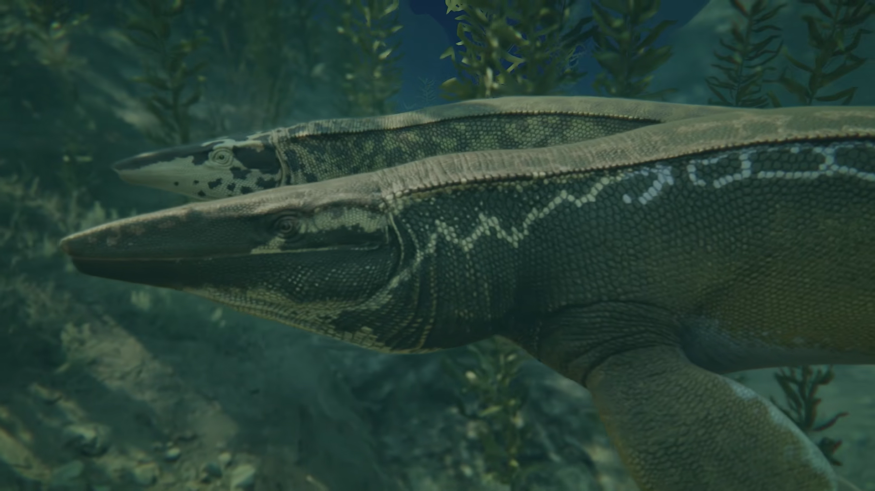
A massive predator once ruled the ancient oceans long before modern sharks became dominant hunters. Scientists have now identified a newly recognized marine reptile called the Tylosaurus rex mosasaur, a giant creature that lived during the Late Cretaceous period around 80 million years ago. The discovery is drawing global attention because the animal combined enormous size, crushing bite power, and aggressive predatory behavior.
Although the nickname "T. rex" may sound familiar, this animal was not a dinosaur like Tyrannosaurus rex. Instead, it was a prehistoric marine predator that dominated underwater ecosystems covering much of North America during the age of dinosaurs.
What Is the Tylosaurus rex Mosasaur?
The Tylosaurus rex mosasaur belonged to a group of giant marine reptiles known as mosasaurs. These animals were not related to sharks or whales. Scientists classify them as reptiles more closely connected to modern monitor lizards and snakes.
The new mosasaur species discovery emerged after researchers reexamined fossils that had been classified under another species for decades. According to a recent report from Live Science, paleontologists found important differences in the skull and jaw anatomy that separated this reptile from previously known mosasaurs.
Mosasaurs evolved into powerful ocean predators during the Late Cretaceous period. Their bodies were streamlined for swimming, with paddle-shaped limbs and long muscular tails that helped them move efficiently through ancient seas.
Researchers estimate the newly identified species could reach lengths of around 43 feet (13 meters). That made it one of the largest predators in its environment.
Several features made this skull-crushing sea reptile especially dangerous:
- Extremely strong jaws designed for crushing prey
- Sharp serrated teeth capable of tearing flesh
- Large body size that intimidated competing predators
- Powerful swimming ability for pursuing prey
- Flexible skull mechanics that helped swallow large animals
Scientists believe it sat at the very top of the marine food chain.
How Scientists Identified a New Species
The new mosasaur species discovery happened after paleontologists revisited fossils already stored in museum collections. Researchers noticed that some specimens previously identified as Tylosaurus proriger had unusual anatomical differences.
These included:
- Different skull proportions
- Distinct jaw structures
- Variations in tooth shape
- Changes in body measurements
According to research published through the Bulletin of the American Museum of Natural History, these differences were significant enough to classify the fossils as a separate species.
This type of reanalysis is becoming increasingly important in paleontology. Advances in fossil imaging and anatomical comparisons are helping scientists identify species that may have been overlooked for decades.
A Predator Built for Violence
One reason the Tylosaurus rex mosasaur has attracted so much attention is its terrifying bite force. Paleontologists describe the reptile as a skull-crushing sea reptile because its jaws appear capable of inflicting devastating damage on prey.
Its bite was likely strong enough to attack:
- Large fish
- Sharks
- Sea turtles
- Ammonites
- Other marine reptiles
Some scientists compare its hunting behavior to a combination of modern crocodiles and killer whales. It may have ambushed prey before using its powerful jaws to crush bones and tear through flesh.
Evidence also suggests these giant reptiles may have fought one another.
One fossil specimen linked to the species showed severe injuries around the snout and jaw area. Researchers believe the wounds may have resulted from combat with another mosasaur. Despite the damage, the animal survived long enough for the injuries to heal, indicating these predators were extremely resilient.
The Ancient Ocean It Called Home
During the Late Cretaceous period, much of central North America was submerged beneath a massive inland sea called the Western Interior Seaway. This warm ocean stretched from the Gulf of Mexico to the Arctic Ocean and contained a rich variety of marine life.
The environment supported:
- Giant fish species
- Ancient sharks
- Marine reptiles
- Ammonites and squid-like animals
- Early sea turtles
The Tylosaurus rex mosasaur thrived in this ecosystem as an apex predator. Its large size and hunting adaptations allowed it to dominate many other marine creatures.
Scientists believe the diversity of life in these ancient waters rivaled some modern ocean ecosystems.
Were Mosasaurs Dinosaurs?
This is one of the most common questions asked after the discovery became public.
Mosasaurs lived during the age of dinosaurs, but they were not dinosaurs themselves. Instead, they belonged to a different branch of reptiles that evolved separately from land-dwelling dinosaurs.
According to information from Britannica, mosasaurs shared closer evolutionary relationships with lizards and snakes than with dinosaurs like Tyrannosaurus rex or Triceratops.
Still, they became some of the most successful predators of the Cretaceous oceans.
Their bodies evolved specifically for marine hunting:
- Paddle-like limbs improved steering
- Strong tails generated swimming power
- Flexible jaws allowed large prey consumption
- Streamlined bodies reduced water resistance
These adaptations helped mosasaurs dominate prehistoric oceans for millions of years.
Why the Discovery Matters
The Tylosaurus rex mosasaur discovery is important because it changes how scientists understand marine reptile evolution.
For years, some fossils were grouped into broad categories without recognizing important anatomical differences. Modern analysis techniques are now helping paleontologists identify previously hidden species diversity.
Researchers say the discovery may indicate that ancient oceans supported more specialized predators than previously believed.
Different mosasaurs may have occupied different ecological roles:
- Fast pursuit hunters
- Ambush predators
- Shell-crushing specialists
- Deep-water hunters
The Tylosaurus rex mosasaur appears to have specialized in brute-force predation.
The finding also highlights the value of museum collections. Fossils collected decades ago may still contain new scientific information waiting to be discovered.
The End of the Mosasaur Era
Mosasaurs ruled Earth's oceans until the mass extinction event around 66 million years ago. Scientists widely believe a giant asteroid impact triggered environmental collapse that wiped out many species, including non-avian dinosaurs and giant marine reptiles.
As food chains collapsed, large predators like the Tylosaurus rex mosasaur disappeared.
Even so, mosasaurs remain some of the most fascinating prehistoric marine predators ever discovered. Their fossils continue helping scientists understand how ancient ocean ecosystems functioned before the extinction event reshaped life on Earth.
Each new fossil discovery adds another piece to the story of these giant reptiles that once dominated ancient seas with terrifying efficiency.
Frequently Asked Questions
1. Was the Tylosaurus rex mosasaur bigger than Tyrannosaurus rex?
The Tylosaurus rex mosasaur could reach lengths of around 43 feet, making it longer than many Tyrannosaurus rex specimens. However, Tyrannosaurus rex was generally heavier and more powerfully built for land hunting.
2. What did the Tylosaurus rex mosasaur eat?
Scientists believe it hunted fish, sharks, ammonites, turtles, and other marine reptiles. Its powerful bite made it one of the top predators in the Late Cretaceous oceans.
3. Are mosasaurs related to dinosaurs?
No. Mosasaurs were marine reptiles more closely related to modern lizards and snakes than to dinosaurs.
© 2026 NatureWorldNews.com All rights reserved. Do not reproduce without permission.


