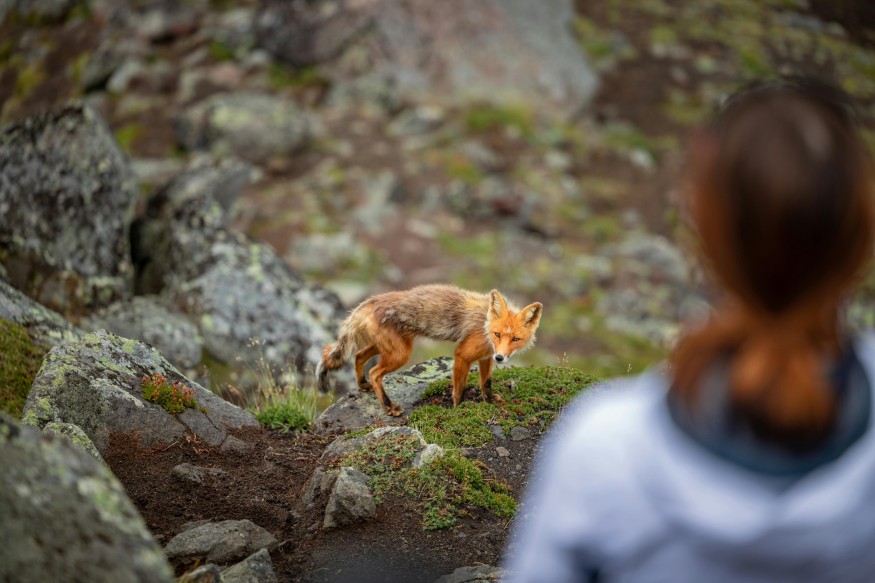
Wild animals are adapting to human activity in ways scientists are only beginning to fully understand. Researchers analyzed millions of GPS tracking points from thousands of animals and found that many species alter their routines simply because people are nearby. The study has added new urgency to research focused on how human presence affects wildlife and how ecosystems may continue changing as urbanization and recreation expand worldwide.
Scientists now believe animals responding to humans is becoming one of the most important ecological trends of the modern era.
The Wildlife Behavior Changes Study Explained
The research, published in the journal Science, tracked more than 4,500 animals from 37 species across the United States. Scientists combined:
- GPS tracking collars
- Satellite environmental data
- Human mobility information from mobile devices
This created one of the most detailed looks yet at the relationship between human activity and wildlife movement.
According to researchers involved in the study, more than 65% of the species monitored changed their behavior because of direct human presence rather than just habitat destruction.
Some animals reduced movement to avoid humans, while others expanded their range to search for safer territory or new food opportunities. Predators, prey animals, birds, and scavengers all responded differently depending on the environment and level of human activity.
A Yale University news release discussing the study noted that even ordinary recreational activity can influence wildlife movement patterns in major ways.
How Human Presence Affects Wildlife
Scientists have studied the effects of roads, cities, and deforestation on animals for decades. However, newer research shows that wildlife often reacts to humans themselves as a direct environmental pressure.
Even activities considered harmless can affect animal behavior:
- Hiking
- Camping
- Tourism
- Road traffic
- Boating
- Mountain biking
- Noise from recreation areas
Animals constantly assess risk in their surroundings. In many cases, humans are perceived as threats similar to predators.
This can trigger:
- Avoidance behavior
- Increased stress responses
- Changes in feeding schedules
- Altered migration routes
- Reduced daytime activity
Researchers found some of the strongest behavioral changes in relatively undisturbed natural regions, where animals may be less accustomed to people.
The findings highlight how human presence affects wildlife even in protected habitats and remote ecosystems.
Animals Responding to Humans in Different Ways
Not every species reacts the same way to people. Some animals become more cautious, while others adapt surprisingly well to human environments.
Predators Often Avoid Human Contact
Large predators tend to change their behavior significantly in areas with frequent human activity.
Wolves, mountain lions, and coyotes may:
- Travel longer distances at night
- Avoid roads during daytime
- Relocate hunting areas
- Change resting locations
The recent wildlife behavior changes study found that gray wolves often expanded territory ranges in response to human movement, while coyotes sometimes reduced movement to minimize encounters.
Scientists say predators must balance avoiding humans with maintaining access to prey and resources.
Scavengers and Opportunistic Animals Adapt Faster
Some species appear more flexible around people. Ravens, raccoons, gulls, and vultures often take advantage of human-related food sources such as:
- Roadkill
- Food waste
- Agricultural land
- Urban garbage
Researchers observed ravens increasing movement distances in areas with human activity, likely searching for additional feeding opportunities.
A separate report from Phys.org discussing the research noted that certain scavenger species may actually benefit from some forms of human presence, although this can create long-term ecological imbalance.
Prey Animals Experience Constant Disturbance
Deer, elk, and smaller mammals frequently adjust movement patterns when humans enter their habitat.
This may lead to:
- Reduced feeding time
- Increased energy use
- Elevated stress hormones
- Disrupted migration timing
- Lower reproductive success
Even repeated short disturbances can affect wildlife health over time.
Human Activity and Wildlife Movement Are Closely Connected
One of the study's most important findings is how directly human movement influences animal movement.
Scientists used advanced GPS technology to monitor:
- Daily travel distance
- Rest periods
- Habitat use
- Seasonal migration
- Behavioral changes over time
The COVID-19 lockdown period became especially useful for researchers because human movement suddenly declined in many places.
As human traffic dropped, some animals returned to areas they previously avoided. Others changed travel routes or became active during different hours.
Researchers say this period helped confirm that animals responding to humans is not just tied to permanent landscape changes. Human presence alone can shift wildlife behavior almost immediately.
Why More Wildlife Is Becoming Nocturnal
Several studies over the past decade have shown that animals increasingly become active at night in areas with high human activity.
Scientists believe nocturnal behavior helps wildlife:
- Avoid direct encounters with people
- Reduce stress
- Access food more safely
- Move through developed landscapes with less risk
Species commonly showing this shift include:
- Coyotes
- Bears
- Foxes
- Deer
- Wild boars
- Mountain lions
Earlier research published in Science also found that mammals globally become more nocturnal in response to human disturbance.
While this adaptation may help survival, it can also disrupt natural ecological balance, breeding patterns, and predator-prey relationships.
The Hidden Biological Effects of Human Disturbance
Wildlife disturbances are not always visible to people observing animals in nature.
An animal may appear calm while still experiencing physiological stress.
Researchers studying how human presence affects wildlife have identified several biological impacts:
- Increased cortisol levels
- Interrupted sleep cycles
- Higher energy expenditure
- Reduced immune function
- Lower offspring survival rates
Animals forced to remain alert spend less time feeding, resting, or caring for young.
Scientists warn that chronic disturbance may gradually weaken wildlife populations even when habitats appear intact.
Can Wildlife Fully Adapt to Humans?
Some animals adjust remarkably well to urban environments. Coyotes, pigeons, foxes, and raccoons are now common in many cities around the world.
However, adaptation does not always mean coexistence is healthy.
Long-term exposure to human environments can increase:
- Vehicle collisions
- Human-wildlife conflict
- Dependence on artificial food
- Disease spread
- Habitat fragmentation
Species with specialized habitats or narrow diets often struggle the most as human activity expands.
Because of this, conservation experts increasingly argue that protecting wildlife requires more than preserving land alone.
New Conservation Strategies Focus on Human Presence
Modern wildlife conservation is beginning to account for direct human disturbance alongside habitat protection.
Researchers suggest several approaches:
- Seasonal trail closures during breeding periods
- Limiting nighttime traffic in migration corridors
- Creating wildlife crossing zones
- Restricting recreation in sensitive habitats
- Reducing noise pollution in protected areas
Scientists also emphasize that different species respond differently to people, meaning conservation strategies must be tailored to local ecosystems.
A University of California Santa Barbara research release connected to the study noted that understanding human activity and wildlife movement together may become essential for future conservation planning.
Wildlife Is Constantly Adapting to Human Behavior
The growing body of research shows that wildlife closely monitors human movement, noise, and daily activity patterns. Animals are not simply reacting to environmental destruction over decades — many are responding to human presence in real time.
As tourism, recreation, and urban development continue expanding globally, scientists expect wildlife behavior changes and study findings like these to become increasingly important.
The latest evidence suggests humans are shaping animal behavior far more directly than previously understood. In many ecosystems, wildlife is constantly adjusting survival strategies around where people go, how often they appear, and how they use natural spaces.
Frequently Asked Questions
1. How does human presence affect wildlife?
Human presence affects wildlife by changing animal movement, feeding behavior, migration patterns, and stress levels. Even activities like hiking, tourism, and traffic can influence how animals behave in natural habitats.
2. Why are animals becoming more nocturnal around humans?
Many animals become more active at night to avoid human encounters. Nighttime provides quieter conditions, lower risk, and safer opportunities for feeding and travel.
3. What was the main finding of the wildlife behavior changes study?
The study found that more than 65% of monitored species changed behavior due to direct human presence, showing that animals respond not only to habitat loss but also to everyday human activity.
4. Can wildlife adapt completely to humans?
Some species adapt well to urban environments, but many still face stress, habitat fragmentation, and increased risks such as vehicle collisions and food dependence. Adaptation does not always mean ecosystems remain healthy.
© 2026 NatureWorldNews.com All rights reserved. Do not reproduce without permission.


