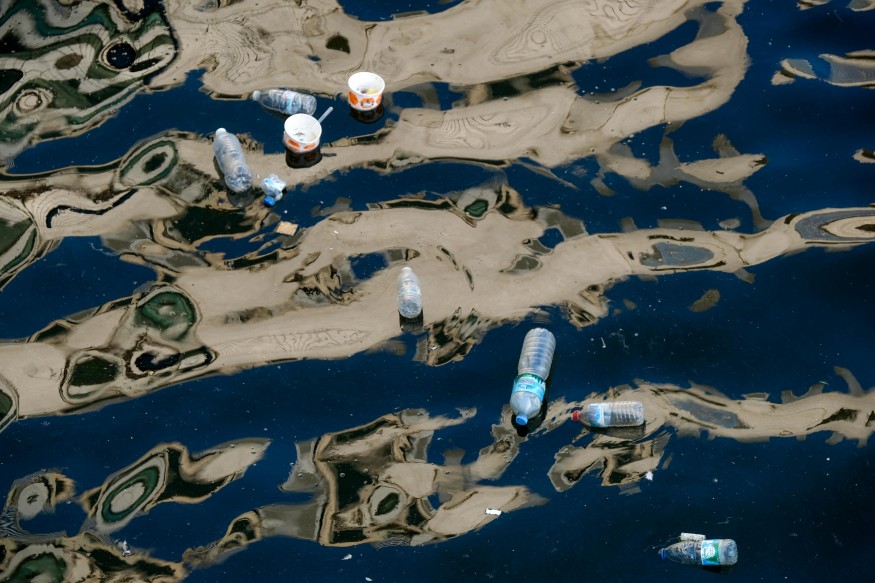
Plastic ocean pollution chokes marine life through endless streams of marine debris trapped in gyres, where microplastics from the Great Pacific Garbage Patch spread toxins worldwide. Efforts now spotlight biodegradable alternatives to stem this tide, offering real hope for cleaner seas.
Origins of Plastic Ocean Pollution
Rivers dump most plastic ocean pollution into seas, carrying trash from cities and farms straight to gyres. These spinning ocean currents grab bottles, bags, and fishing nets, swirling them into dense patches far offshore.
Landfill overflows and littering add fuel, with 8 million tons entering oceans yearly. Microplastics emerge as bigger items shatter under sun and waves, turning visible junk into invisible killers.
- Single-use plastics dominate—think straws, wrappers, and cups that outlast generations.
- Fishing industry waste like ghost nets drifts endlessly, snaring wildlife.
- Poor waste management in developing areas lets debris wash out unchecked.
Smithsonian Ocean notes how this mess builds over decades, hitting remote waters hardest.
Gyres: Engines of Marine Debris Buildup
Gyres act as ocean vacuums, five massive ones circling each major sea basin. The North Pacific Gyre, twice Earth's land area, corrals marine debris into the Great Pacific Garbage Patch.
Currents spin plastics clockwise, concentrating flakes and fibers that fish mistake for food. Smaller gyres in the Atlantic and Indian Oceans mirror this, but the Pacific hosts the biggest offender.
- North Pacific Gyre: Heart of the Garbage Patch, spanning Hawaii to California.
- South Pacific Gyre: Smaller but growing fast with southern fishing fleets.
- Indian Ocean Gyre: Fueled by Asian rivers dumping urban waste.
These zones hold 75% of surface plastic ocean pollution, evading coastlines where cleanups work best.
Microplastics: The Hidden Threat
Microplastics, under 5mm, come from frayed ropes, tire dust, and cosmetics. They soak up chemicals like DDT, poisoning plankton up the food chain to human seafood platters.
In gyres, waves grind macro debris into trillions of these bits, with 94% of Garbage Patch mass now microscopic. Sea life ingests them, blocking guts and sparking mutations.
- Primary microplastics: Beads in scrubs, pellets spilled during shipping.
- Secondary sources: Breakdown of bags and bottles in marine debris soups.
- Airborne spread: Fibers from laundry waft to oceans via wind.
Wikipedia details how microplastics lurk in Arctic ice and deep trenches, proving no escape.
Aerial shots reveal gyres swirling colorful marine debris, far from human eyes.
Great Pacific Garbage Patch Deep Dive
Stuck between Hawaii and North America, this patch weighs 80,000 tons across 1.6 million square kilometers. Fishing gear makes up half, ropes tangling turtles and birds.
It tripled since 2000, fed by California and Asian runoff hitting the gyre. Drones spot "pizza rafts"—mats of degraded plastic mimicking food for albatross.
Over 900 species tangle or swallow pieces, from whales to krill. Necropsies show chicks starved amid bottle caps and lighters.
Impacts on Marine Life and Humans
Marine debris starves seabirds, with 90% of fulmars carrying plastic in bellies. Turtles chew bags thinking they're jellyfish, suffocating slowly.
Gyres spread contaminants globally, hitting fisheries worth billions. Humans eat microplastics weekly—equivalent to a credit card—risking inflammation and fertility drops.
- Entanglement: Nets drown 300,000 whales yearly.
- Ingestion: Toxins bioaccumulate, thinning eggshells.
- Habitat loss: Corals smothered under debris layers.
Economic hits reach $13 billion annually in cleanup and lost catch.
Read Also: Air Quality Index PM2.5 Explained: Smog Formation, Health Effects & Smart Mitigation Tips
Proven Solutions to Plastic Ocean Pollution
Cleanup rigs from The Ocean Cleanup snag 10 tons daily from the Garbage Patch, towing it to shore for recycling. River booms block 80% of upstream flow before gyres claim it.
Bans on microbeads swept 50 countries, slashing direct microplastic inputs. Recycling tech now turns nets into park benches, closing loops.
- Ocean barriers: Floating fences guide debris to collection points.
- Drone tracking: Maps hotspots for targeted pulls.
- Global treaties: UN pushes 100% plastic treaty by 2025.
Ocean Cleanup's site tracks real-time hauls, providing scale works.
Rise of Biodegradable Alternatives
Biodegradable alternatives swap petroleum plastics for plant starch, algae, or mushroom roots. PHA from bacteria dissolves in soil or sea, leaving no microplastics.
Corn-based bags break down in three months versus 400 years for PET. Companies like Notpla coat food with seaweed films, edible and gyre-proof.
- Algae plastics: Grown in vats, carbon-negative production.
- Mycelium foam: Mushroom networks pack like Styrofoam, composts fast.
- Cellulose films: Wood pulp mimics wrappers, fully marine-safe.
Costs fell 60% since 2020, hitting parity with cheap plastics. Adoption in supermarkets cuts marine debris at the source.
Everyday Actions Against Marine Debris
Switch to reusables—metal straws, cloth bags—slash personal waste 70%. Beach cleanups pull 10 million pounds yearly, keeping gyres leaner.
Vote for deposit laws; they boost bottle returns 90%. Push brands via petitions for biodegradable alternatives in packaging.
- Refuse single-use: Carry your kit, say no to plastic bags.
- Clean locally: Join apps like Ocean Conservancy for events.
- Educate others: Share gyre facts to spark community shifts.
Clean Water Action lists these as top starters, easy and effective.
Cutting Marine Debris for Healthier Gyres
Tech pulls plastic ocean pollution from gyres while biodegradable alternatives rewrite production, easing the Great Pacific Garbage Patch burden. Momentum builds as nations target zero new debris by 2040, letting oceans heal through smarter habits and innovation.
Frequently Asked Questions
1. What Is the Great Pacific Garbage Patch?
The Great Pacific Garbage Patch is a massive accumulation of marine debris trapped in the North Pacific Gyre, spanning between Hawaii and California. Mostly microplastics by count but larger fishing nets by mass, it covers about 1.6 million square kilometers without forming a solid island of trash.
2. Where Does Plastic Ocean Pollution Come From?
About 80% originates from land via rivers carrying urban litter, while 20% stems from ocean sources like discarded fishing gear. Single-use items like bags and bottles break down into microplastics that gyres concentrate far offshore.
3. Why Do Gyres Trap Marine Debris?
Gyres are large rotating ocean currents that act like whirlpools, pulling floating plastics into central zones. The North Pacific Gyre funnels debris from Asia, North America, and beyond into the Garbage Patch, where winds and waves keep it swirling.
© 2026 NatureWorldNews.com All rights reserved. Do not reproduce without permission.


