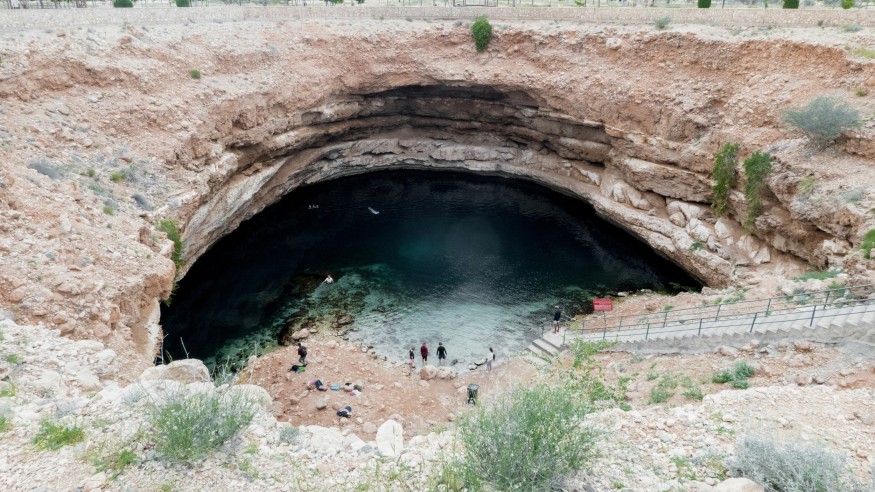
Sinkholes threaten homes and infrastructure in vulnerable landscapes, driven by sinkhole formation causes like dissolution and groundwater shifts. Cover-collapse sinkholes strike suddenly, while Florida sinkholes draw national attention due to the state's karst terrain.
Sinkhole Formation Causes
Sinkhole formation causes traces back to natural and human influences that weaken the ground from below. Dissolution kicks off the process as rainwater, laced with carbonic acid, slowly eats away at soluble rocks like limestone or dolomite. Over thousands of years, this creates underground voids and networks of channels in karst topography.
Groundwater withdrawal ranks high among triggers. Excessive pumping for farms, cities, or industry lowers water tables, removing support from overlying soil layers. Without that buoyancy, sediments shift downward, hastening cavity growth. Heavy rains then saturate the surface, overloading unstable covers and sparking collapses.
Other factors pile on:
- Construction vibrations that jar fragile ground.
- Drought cycles followed by deluges, which erode soil into voids.
- Leaking pipes or septic systems that funnel extra water downward.
Researchers at the National Cave and Karst Research Institutenote how these combine in karst zones, turning slow geology into sudden hazards. Cover-collapse sinkholes emerge as the most dramatic type, where a thin cap of soil or rock gives way all at once.
Cover-Collapse Sinkholes Mechanics
Cover-collapse sinkholes differ from gradual dips by their speed and scale. They form when a cavern roof—often clay-rich sediment over dissolved limestone—loses integrity. Water seeps in, softening the cover until gravity wins, plunging the surface into the void below. These can yawn open in hours, swallowing vehicles or buildings.
In contrast to suffosion sinkholes, where soil filters down bit by bit, cover-collapse events leave sharp edges and steep walls. Florida sinkholes often fit this profile, thanks to the state's thin soil over thick limestone bedrock. A 2018 study in Science of the Total Environment linked rainfall spikes and aquifer drops to these failures in central Florida.
Key stages include:
- Initial dissolution carves the cavern.
- Cover material bridges the gap temporarily.
- Triggers like saturation or withdrawal cause traveling—soil particles trickle down.
- The bridge snaps, forming the pit.
Homeowners rarely see warning cracks until too late, making prevention vital.
Florida Sinkholes Hotspots
Florida sinkholes cluster in the west-central peninsula, where karst topography dominates. Pasco, Hernando, and Hillsborough counties top the list, with over 27,000 verified cases since the 1950s. Dissolution has sculpted the Floridan Aquifer's limestone into a Swiss cheese of passages, primed for trouble.
Development amplifies risks. Urban sprawl adds weight and impervious surfaces, routing more runoff into the ground. Groundwater withdrawal for citrus groves and suburbs drops levels further, a point emphasized in Earth Systems' analysis of subsurface dangers. Recent data flags a stretch along Interstate 75 as the worst, with clusters near Dade City and Ocala.
Common patterns:
- Spikes after wet seasons, when recharge overwhelms voids.
- Proximity to quarries or wells, where pumping accelerates dissolution.
- Shallow bedrock in "Sinkhole Alley," just 50-100 feet down.
Insurance claims hit record highs in 2025, underscoring how climate swings worsen Florida sinkholes.
Groundwater Withdrawal Role
Groundwater withdrawal disrupts the delicate balance in karst systems. Pumping extracts millions of gallons daily in Florida, shrinking aquifers and exposing voids. Lowered heads increase downward leakage, speeding dissolution and sediment piping.
In karst topography, this creates a feedback loop: less water means drier covers that crack under stress, inviting collapse. A Tensar International article highlights how over-pumping in limestone regions worldwide mirrors Florida's woes. Mitigation demands monitoring wells and recharge zones to steady levels.
Impacts break down as:
- Reduced uplift on sediments, promoting sags.
- Enhanced cave enlargement via concentrated flow.
- Amplified rainfall effects, as voids fill faster post-drought.
Mapping for Prevention
Mapping reveals sinkhole formation causes before they surface. Tools like ground-penetrating radar (GPR), gravity surveys, and LiDAR scan for voids in karst topography. Florida's Sinkhole Database layers this with groundwater data, zoning land into risk tiers.
High-res GIS models predict cover-collapse sinkholes by factoring dissolution rates, withdrawal volumes, and rain forecasts. Cities mandate surveys for new builds, avoiding red zones.
Effective mapping steps:
- Aerial LiDAR for broad topography scans.
- GPR transects to pinpoint anomalies.
- Boreholes for soil and rock sampling.
- Ongoing monitoring with tiltmeters or piezometers.
These guide grouting campaigns, where cement fills detected caves.
Prevention Strategies
Preventing Florida sinkholes starts with soil stabilization. Engineers inject grout into voids or lay geogrids—strong meshes that distribute loads over weak spots. Redirecting stormwater via swales and basins cuts excess infiltration.
Regulations curb groundwater withdrawal through permits and caps. Property owners bolster defenses:
- Install French drains to shed water.
- Avoid heavy fills over mapped risks.
- Sink deep pilings for foundations.
Insurance covers verified collapses, but inspections prove claims. Early action in karst areas saves lives and structures.
Spotting Warning Signs
Vigilance spots trouble early. Ground depressions, even small ones, signal active dissolution. Cracks in driveways, walls, or pools widen over weeks.
Red flags include:
- Tilting trees or utility poles.
- Sudden jams in wells or septic backups.
- Road dips post-rain.
- Wildlife circling soft spots.
In Florida sinkhole zones, annual surveys pair with these checks. Act fast—evacuate and call geologists if multiple signs align.
Mapping Risks in Karst Areas
Armed with maps, communities counter cover-collapse sinkholes and dissolution threats head-on. Florida's layered approach—geophysics, data integration, and strict codes—sets a model for karst regions worldwide. Property stewards who track groundwater, stabilize land, and stay alert build resilience against sinkhole formation causes.
Frequently Asked Questions
1. What Causes Sinkholes to Form?
Sinkholes form mainly through dissolution, where acidic rainwater erodes soluble bedrock like limestone over time, creating underground voids. Cover-collapse sinkholes happen when soil overhead suddenly caves into these voids, often triggered by heavy rain or groundwater withdrawal. Other factors include construction vibrations and leaking infrastructure.
2. How Do Cover-Collapse Sinkholes Differ from Other Types?
Cover-collapse sinkholes develop abruptly as a brittle cover of clay or sediment fails over a large cavern, dropping the surface in minutes—unlike slower suffosion types where soil gradually washes down. They leave steep, bowl-shaped pits and pose the highest risk in karst areas like Florida. Dissolution starts the cavity, but saturation or pumping finishes the job.
3. Why Are Florida Sinkholes So Common?
Florida's west-central karst topography features shallow limestone riddled with dissolution channels, making it prime for sinkholes—over 27,000 reported since the 1950s in counties like Pasco and Hernando. Groundwater withdrawal for agriculture and urban use drops aquifer levels, speeding collapses along stretches like Interstate 75 near Dade City and Ocala.
© 2026 NatureWorldNews.com All rights reserved. Do not reproduce without permission.


