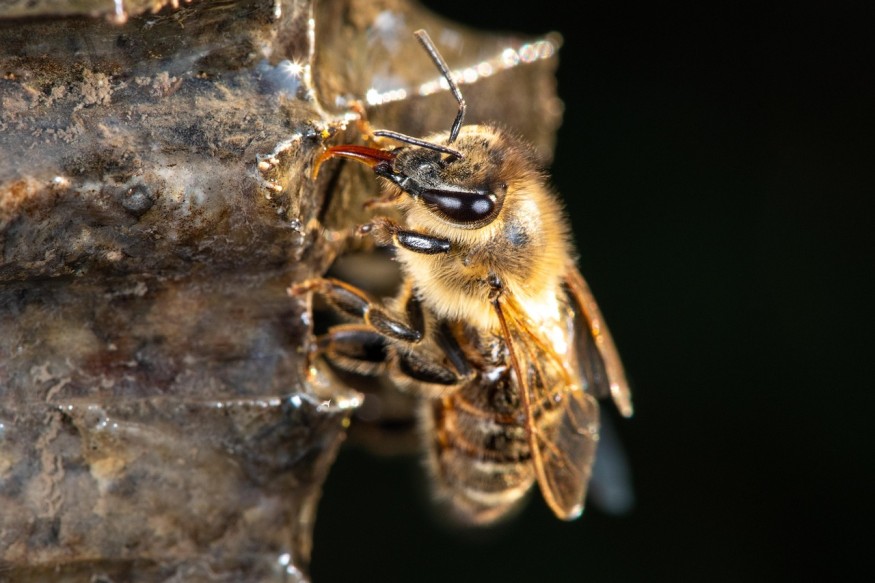
Honeybee species, vital for global pollination and food production, have been facing a severe population decline over the past two decades. This phenomenon, widely known as bee colony collapse or CCD syndrome, has alarmed ecologists, farmers, and researchers around the world.
From industrial pesticides to parasitic mites, multiple stressors are threatening bee colonies and disrupting the delicate balance of ecosystems and agricultural systems alike. Understanding these causes, and identifying sustainable remedies, has become urgent for anyone concerned about food security and biodiversity.
Why Are Honeybees Dying?
Honeybees are among Earth's most efficient pollinators, responsible for fertilizing one-third of all crops consumed by humans. Yet, large-scale losses of colonies have become increasingly common.
CCD syndrome, first identified in the mid-2000s, describes the sudden disappearance of worker bees from hives, leaving behind queens, larvae, and honey stores. This collapse disrupts reproduction and food storage, eventually destroying entire colonies.
Researchers have linked CCD to multiple factors: pesticide exposure, habitat fragmentation, parasitic infections, and climate change. The decline not only endangers honey production but also threatens wildflower pollination, leading to cascading ecological effects that disrupt plant reproduction and diversity.
Causes of Bee Colony Collapse
As investigations into bee colony collapse continue, it's evident that no single cause explains the devastation. CCD syndrome represents a complex interaction between environmental and human pressures.
Agricultural expansion and commercial farming practices have significantly reduced wild habitats, leaving bees to forage in monoculture landscapes laden with chemical residues.
Beekeeping experts report that colonies exposed to multiple pesticides often fail to recover, even after the chemicals degrade. The combination of sublethal exposures, chemicals that do not kill instantly but impair memory, navigation, and reproduction, plays a critical role in CCD development.
How Pesticides Affect Honeybee Populations
Among all chemical threats, neonicotinoids have attracted the most scientific and public concern.
These systemic pesticides are absorbed by plants and distributed to nectar and pollen, meaning bees ingest trace amounts every time they feed. Even minimal doses can impair bees' ability to navigate and communicate via their complex "waggle dance," weakening their foraging capacity and colony survival.
Research conducted in Europe led to partial bans on neonicotinoid use, after studies suggested that colonies recovered significantly once exposure levels dropped. However, alternative pesticides still pose risks, as most synthetic compounds designed for crop protection also disrupt beneficial insect populations.
In addition to neonicotinoids, fungicides and herbicides can interact with other chemicals to amplify toxicity. These synergies make it difficult to isolate a single culprit. It is increasingly clear that pesticide mixtures, common in industrial farms, contribute to chronic stress and exacerbate CCD syndrome symptoms.
Varroa Mites and Viral Infections in Bee Colonies
While pesticides trigger behavioral and neurological damage, biological parasites such as Varroa destructor attack bees directly.
Varroa mites feed on the hemolymph (bee blood) of larvae and adults, weakening their immune systems and making them susceptible to fatal viruses like Deformed Wing Virus (DWV). These invisible infestations can destroy entire colonies within months if left unmanaged.
Beekeepers use mechanical traps, heat treatments, and selective breeding to combat Varroa infestations. Yet, resistance to chemical treatments, those aimed at killing mites, has grown.
As a result, modern beekeeping increasingly relies on organic and biological control strategies, reinforcing the broader shift toward organic farming as a sustainable solution to the bee decline crisis.
Are Neonicotinoids the Biggest Threat?
The debate over whether neonicotinoids represent the biggest danger to bees continues among scientists and policy-makers. Some argue that Varroa mites and viral epidemics do more immediate damage, while others point to agricultural chemicals as the long-term disruptors of colony health.
Neonicotinoids interfere with bees' nervous systems, causing paralysis and behavioral disorientation. Field observations show that bees exposed to these substances often fail to return to the hive, a defining symptom of CCD syndrome.
Countries such as France, Germany, and Canada have restricted neonicotinoid use on flowering crops, while researchers explore alternatives like biopesticides and integrated pest management.
Although regulation has improved, enforcement remains uneven. Many developing agricultural regions still depend heavily on neonicotinoids to maintain crop yields, highlighting the tension between food production efficiency and ecological preservation.
Climate Change and Its Connection to Bee Decline
Beyond human-applied chemicals, environmental stress is intensifying the bees' struggle.
Climate change disturbs flowering cycles, alters plant distribution, and produces extreme weather events that reduce available forage. Warmer winters also extend the lifespan of Varroa mites and other pests, raising infection rates among bee colonies.
Reduced rainfall translates to fewer wildflowers, while shifting temperatures accelerate plant blooming before bees emerge from hibernation. This mismatch between pollinator activity and flower availability further weakens colony nutrition.
Together, these climate-driven disruptions amplify the effects of pesticides and parasites, accelerating bee colony collapse globally.
Practical Solutions to Save Honeybee Populations
Efforts to reverse honeybee decline are increasingly centered around sustainable agriculture and ecological restoration.
Promoting organic farming minimizes chemical dependency while preserving soil and plant health. Organic farms tend to support richer plant diversity, providing bees with balanced nectar sources and natural pest control coverage.
Another crucial initiative involves building pollinator highways, green corridors connecting parks, farms, and gardens with flowering vegetation.
These pathways help bees safely migrate between habitats and ensure reliable foraging grounds. Urban environments can also join these networks through rooftop gardens and community pollination projects.
Breeding programs for mite-resistant honeybee strains have shown positive outcomes, although genetic uniformity remains a risk. Scientists are exploring microbiome therapies and natural repellents to restore colony vitality while maintaining productivity for crop pollination.
How Everyday Actions Can Support Bee Colonies
Individuals also play a meaningful role in improving bee survival rates. Home gardeners can grow native wildflowers and avoid synthetic sprays.
Supporting local honey producers strengthens small-scale apiaries that maintain healthier bee stocks and avoid industrial chemicals. Educational organizations continue raising awareness about the links between CCD syndrome, pesticide exposure, and human consumption patterns.
On a broader scale, collaborations between environmental groups and municipalities have created policies protecting pollinator habitats. Urban reforestation initiatives, native plant projects, and wildflower seed programs contribute to better migration routes for bees and other beneficial insects.
Strengthening Bee Health for Future Agriculture
Safeguarding the bees means safeguarding global food production. Every factor, from pesticides to mites and climate disturbances, contributes to the growing challenge of bee colony collapse. Transitioning to organic farming, expanding pollinator highways, and tightening chemical regulations represent tangible steps forward.
By prioritizing ecological harmony over industrial convenience, communities and farmers alike can help stabilize the pollination systems that sustain life on Earth.
The fight against CCD syndrome is far from over, but collective action, rooted in science, sustainability, and awareness, offers a path toward revitalizing both bee populations and the ecosystems they nurture.
Frequently Asked Questions
1. Can honeybees recover from exposure to pesticides over time?
Some recovery is possible if colonies are relocated away from contaminated areas and provided with clean forage, but long-term damage can persist across generations.
2. Do wild bees experience bee colony collapse like managed honeybees?
Wild bee species don't show CCD in the same form, but they also suffer population declines due to habitat loss, parasites, and pesticide exposure.
3. How do pollinator highways benefit other species besides bees?
They support butterflies, beetles, birds, and other pollinators by providing continuous food sources and shelter across fragmented landscapes.
4. What role does urban gardening play in supporting bee populations?
Urban gardens create mini-habitats that supplement food sources, helping bees survive in cities where natural forage areas are limited.
Originally published on Science Times
© 2026 ScienceTimes.com All rights reserved. Do not reproduce without permission. The window to the world of Science Times.


