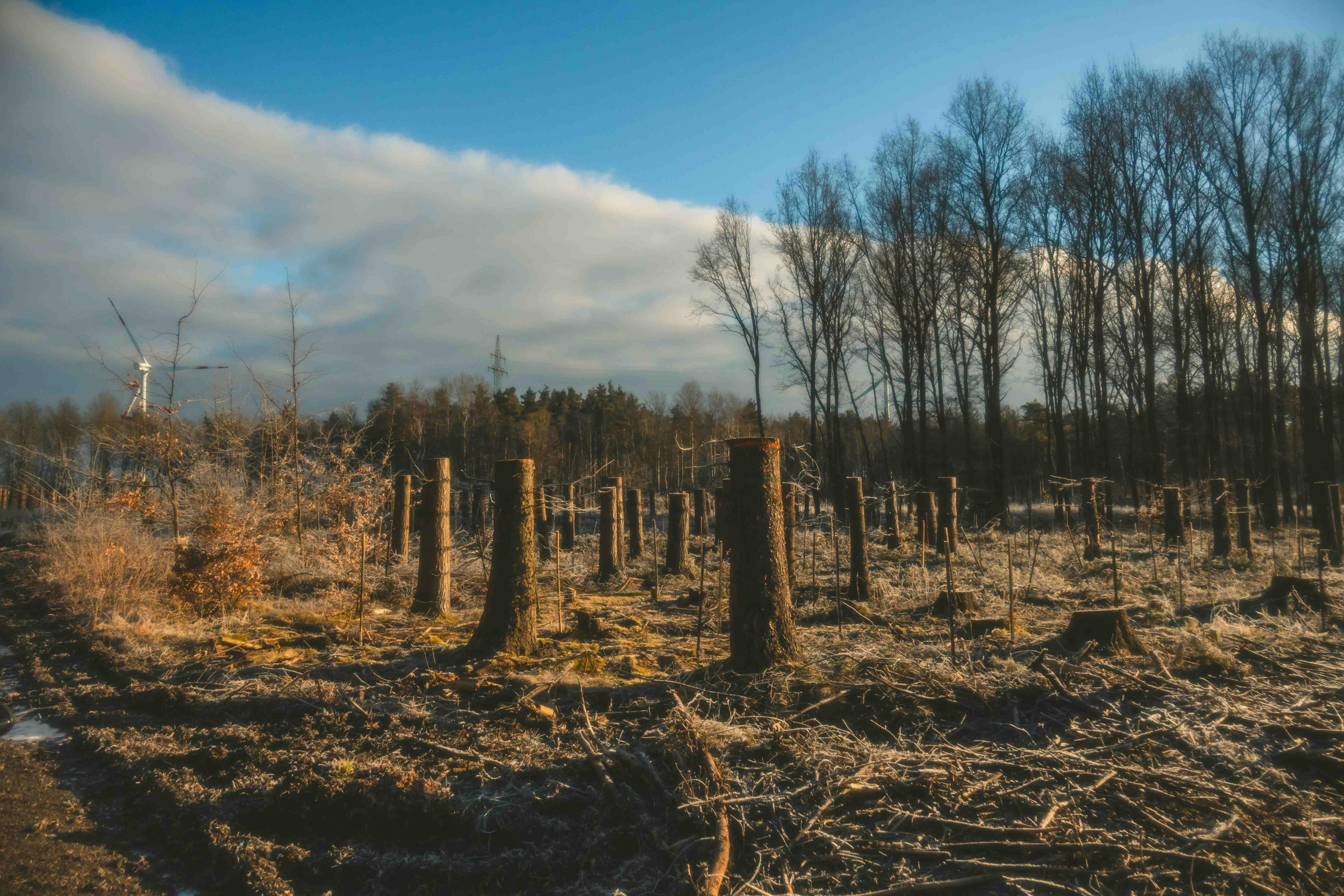
Deforestation transforms thriving forests into barren land, unleashing widespread environmental damage. The Amazon rainforest, a global biodiversity powerhouse, suffers most from these changes, with slash-and-burn practices speeding up the process. This article explores how these forces erode carbon storage, wildlife habitats, and long-term ecological balance.
Carbon Sink Loss Disrupts Climate Balance
Forests like the Amazon act as massive carbon sinks, pulling CO2 from the air through photosynthesis and locking it into trees and soil. When deforestation strikes, this stored carbon releases rapidly, fueling global warming. Experts estimate forests absorb about 30% of human-emitted CO2 annually, but clearing them flips this benefit into a liability.
Slash-and-burn intensifies the issue by burning vegetation outright, sending carbon skyward in plumes of smoke. In the Amazon, this practice accounts for a notable chunk of regional emissions, altering rainfall patterns as the forest's cooling effect fades. Over time, lost carbon sinks mean higher atmospheric CO2 levels, intensifying heatwaves and extreme weather.
Key effects include:
- Reduced CO2 absorption, leading to 10-20% of global emissions from forest loss.
- Soil carbon release, which degrades land fertility for decades.
- Disrupted water cycles, as trees no longer regulate humidity and precipitation.
A study from Climate Impact highlights how this carbon flip contributes to broader climate instability, with tropical forests hit hardest.
Biodiversity and Habitat Destruction Surge
The Amazon rainforest shelters over 10% of known species, from jaguars to exotic orchids. Deforestation environmental impact shreds these habitats, isolating populations and driving extinctions. Slash-and-burn clears patches quickly for farming, but leaves fragmented ecosystems where animals struggle to survive.
Habitat destruction goes beyond immediate tree loss—soil erosion follows, washing away nutrients and drying rivers. Birds lose nesting sites, insects vanish, and pollinators decline, rippling through food chains. In the Amazon, cattle ranching now claims vast cleared areas, turning green expanses into grassy monotones unfit for most wildlife.
Impacts on biodiversity show in stark numbers:
- Up to 137 species are lost daily worldwide due to habitat clearance.
- Amazon species like river dolphins face 20-30% range reduction from forest fragmentation.
- Pollination services drop, threatening crop yields even in distant farmlands.
Greenpeace reports on Amazon fires note how slash-and-burn escapes control, scorching habitats and displacing communities alongside wildlife.
This image shows the Amazon's lush canopy meeting stark deforested fields, a visual testament to slash-and-burn's toll.
Slash-and-Burn Practices Fuel Amazon Deforestation
Farmers turn to slash-and-burn for its simplicity: cut vegetation, burn it, and plant crops on the ash-enriched soil. In the Amazon rainforest, this method clears land for soy, cattle, and subsistence farming, driven by global commodity demand. Roads built for logging open remote areas, making slash-and-burn widespread.
While it boosts short-term yields, repeated use exhausts soil within 2-3 years, forcing expansion into untouched forest. Fires from these burns often spread, worsened by dry seasons linked to climate shifts. The Amazon loses millions of hectares yearly this way, weakening its role as Earth's lungs.
Common drivers in the Amazon include:
- Cattle ranching, covering 80% of deforested public lands.
- Soybean expansion, feeding livestock worldwide.
- Illegal logging, which precedes burns for easier access.
This cycle perpetuates deforestation environmental impact, as abandoned plots rarely recover without intervention.
Reforestation Projects Offer Hope
Reforestation projects counteract deforestation by replanting native trees, rebuilding carbon sinks and habitats. In the Amazon, initiatives focus on degraded pastures, using drones for seed dispersal and community labor for maintenance. Success hinges on choosing resilient species that thrive in local conditions.
Community-led efforts outperform top-down approaches, with survival rates above 70% when locals manage plots. These projects restore soil, attract wildlife, and sequester carbon at rates rivaling old-growth forests within decades. Governments and NGOs partner on large-scale planting, targeting millions of trees annually.
Benefits of effective reforestation projects stack up quickly:
- Carbon storage doubles in 10-20 years compared to bare land.
- Biodiversity rebounds as corridors link isolated patches.
- Water retention improves, reducing floods and droughts.
A Think Wildlife Foundationanalysis shows locally driven projects in tropical zones yield the best long-term results, blending ecology with economic incentives like eco-tourism.
Amazon Rainforest Restoration Strategies
Restoring the Amazon demands more than planting— it requires policy shifts and enforcement. Protected areas expand, with indigenous lands proving vital buffers against slash-and-burn. Satellite monitoring tracks illegal clearing, enabling rapid response.
Agroforestry blends trees with crops, offering sustainable alternatives to full clearance. Farmers intercrop timber species with coffee or fruits, maintaining income while preserving cover. International agreements push zero-deforestation supply chains for beef and soy.
Practical steps forward include:
- Enforcing anti-logging laws with tech like AI-driven alerts.
- Paying communities to protect forests, as seen in Norway's Amazon Fund.
- Scaling reforestation projects with native seeds from local nurseries.
These strategies address deforestation environmental impact head-on, rebuilding resilience in the Amazon rainforest.
Scaling Solutions Against Deforestation
Momentum builds for reforestation projects worldwide, with the Amazon as a testing ground. Corporate pledges to source deforestation-free products pressure supply chains, while carbon credits fund tree planting. Innovations like fungal inoculants boost seedling growth on poor soils.
Challenges persist—funds dry up, and climate shifts test young forests. Yet hybrid models combining natural regeneration with targeted planting prove cost-effective. In the Amazon, restored areas already show returning monkeys and birds, signaling ecosystem recovery.
Ongoing efforts emphasize:
- Monitoring via apps that verify project progress.
- Training locals in sustainable farming to curb slash-and-burn reliance.
- Global advocacy linking Amazon health to planetary stability.
Pathways to Forest Recovery
Reforestation projects shine brightest when paired with habitat protection in the Amazon rainforest. They rebuild carbon sinks, revive biodiversity, and heal soils scarred by slash-and-burn. As these initiatives scale, the deforestation environmental impact lessens, paving the way for balanced ecosystems that sustain both nature and people.
Frequently Asked Questions
1. What causes deforestation in the Amazon rainforest?
Agriculture leads to deforestation, with cattle ranching and soybean farming as top drivers. Slash-and-burn clears land quickly by cutting and burning vegetation, creating ash-rich soil for short-term crops, though it depletes nutrients fast and sparks uncontrolled fires.
2. How does slash-and-burn affect the environment?
This practice releases stored carbon, erodes soil, and destroys habitats in one cycle. In the Amazon, it fragments ecosystems, reduces biodiversity, and contributes to 10-20% of global emissions when fires spread.
3. Why is the Amazon rainforest a critical carbon sink?
The Amazon absorbs billions of tons of CO2 yearly through its vast tree cover. Deforestation flips it into a carbon source, worsening climate change and disrupting rainfall patterns across South America.
© 2026 NatureWorldNews.com All rights reserved. Do not reproduce without permission.


