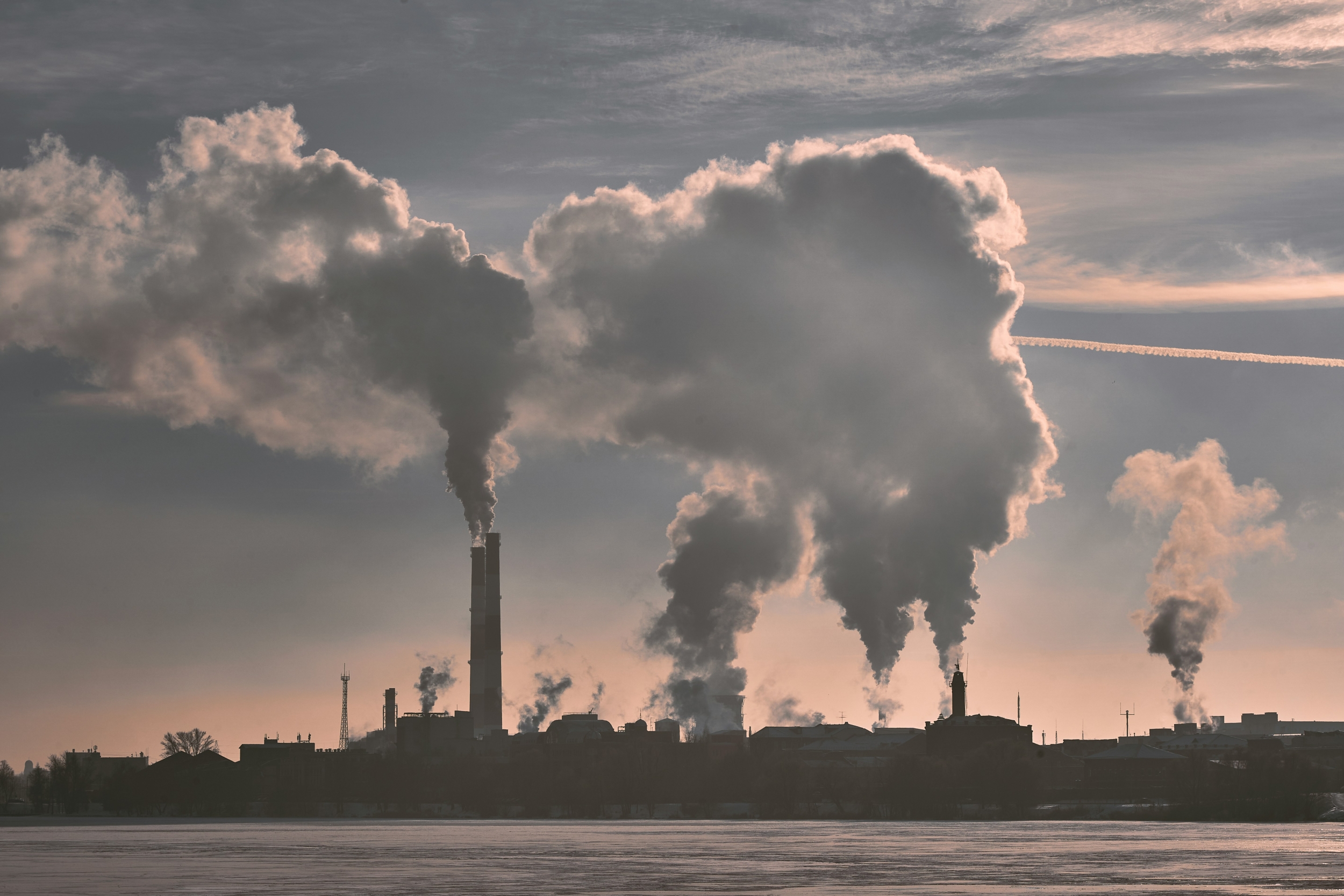
Air Quality Index PM2.5 is a critical indicator that reflects how fine particulate matter in the air can affect human health. These tiny particles often come from major Air Pollution Sources like vehicles, factories, and power plants, and they can penetrate deep into the lungs and bloodstream. When combined with atmospheric conditions such as inversion layers, pollutants become trapped near the ground, increasing exposure levels. Understanding these patterns helps explain why some days feel noticeably hazier or more harmful than others.
This guide breaks down how PM2.5 levels are measured, what drives smog formation, and how inversion layers influence pollution buildup. It also explores the real-world health effects tied to exposure and highlights practical solutions like scrubbers and low-emission zones. By connecting measurement systems with environmental behavior, it becomes easier to track air quality and take meaningful steps to reduce exposure and improve overall public health.
How Is the Air Quality Index Calculated for PM2.5?
The Air Quality Index PM2.5 is calculated using a standardized scale that translates pollutant concentrations into a number between 0 and 500. This scale makes it easier to understand air quality at a glance, with values from 0–50 considered good and anything above 100 indicating increasing health risks. The calculation uses a linear formula that compares the measured concentration against predefined breakpoints, ensuring consistent interpretation across regions.
Air monitoring systems typically use 24-hour averages of PM2.5 levels, although real-time updates may rely on shorter rolling averages to reflect current conditions. These measurements are especially important in areas affected by inversion layers, where Air Pollution Sources such as traffic and industrial emissions get trapped close to the ground. During these conditions, AQI values can spike rapidly, sometimes exceeding unhealthy levels during winter or stagnant weather patterns. Understanding these calculations helps individuals interpret daily air quality reports more accurately and respond to changes in pollution levels.
What Causes Smog Formation and Inversion Layers?
Smog formation is driven by chemical reactions in the atmosphere, while inversion layers control how pollutants move and accumulate. Together, these factors can significantly worsen air quality in urban and geographic hotspots. Understanding how they interact helps explain why pollution levels can spike even without major emission increases.
- Smog forms when Air Pollution Sources release nitrogen oxides (NOx) and volatile organic compounds (VOCs) that react with sunlight to produce ozone and fine particles.
- This process intensifies when inversion layers trap warm air above cooler air, preventing pollutants from rising and dispersing.
- Pollutants then build up near the ground, leading to dense haze and elevated PM2.5 levels that can persist for days.
- Inversion layers often occur during calm weather, especially at night or under high-pressure systems.
- Cooler air gets trapped beneath warmer air, creating stable conditions that limit vertical air movement.
- Geographic features like valleys can worsen the effect by restricting airflow and concentrating pollutants.
- Smog composition typically includes sulfate, nitrate, and carbon-based particles.
- These components contribute to higher PM2.5 concentrations and reduced air quality.
- When Air Pollution Sources combine with inversion layers, even moderate emissions can result in significant smog buildup and air quality deterioration.
What Are PM2.5 Health Effects Across Exposure Durations?
PM2.5 affects the body in different ways depending on how long exposure lasts. Short-term contact can cause immediate discomfort, while long-term exposure can lead to serious health conditions. Understanding these impacts helps highlight the importance of monitoring air quality regularly.
- Short-term PM2.5 health effects: Short-term exposure can cause coughing, eye irritation, throat discomfort, and breathing difficulties. It may also trigger asthma attacks or worsen existing respiratory conditions within hours or days. These symptoms are often temporary but can be severe for sensitive individuals.
- Fine particle penetration into the body: PM2.5 particles are small enough to bypass the body's natural defenses in the nose and throat. They can enter the lungs and even the bloodstream, allowing them to affect internal organs. This deep penetration increases the potential for both immediate and long-term health effects.
- Long-term PM2.5 health effects: Prolonged exposure is linked to cardiovascular disease, reduced lung function, and higher risks of chronic illnesses. It can also increase the likelihood of heart attacks and lung-related conditions over time. These effects develop gradually but can become severe with continuous exposure.
- Vulnerable population risks: Children, older adults, and individuals with preexisting health conditions are more sensitive to PM2.5 exposure. Their bodies are less able to cope with pollution, making them more likely to experience serious symptoms. Even low levels of pollution can have a greater impact on these groups.
- Importance of Air Quality Index PM2.5 monitoring: Tracking Air Quality Index PM2.5 helps individuals understand pollution levels and adjust their activities accordingly. Monitoring air quality allows people to limit outdoor exposure during high-pollution periods. This simple step can significantly reduce health risks and improve overall well-being.
Reduce PM2.5 Exposure Through Proven Air Quality Mitigation
Reducing exposure to PM2.5 involves addressing key Air Pollution Sources through targeted strategies. Technologies like scrubbers can remove a large percentage of harmful emissions from industrial outputs, significantly lowering pollutant levels. Low-emission zones also help by restricting high-polluting vehicles from entering densely populated areas, leading to measurable improvements in air quality.
Urban planning plays an important role as well, with green spaces and better transportation systems helping to disperse pollutants more effectively. Monitoring tools and air quality apps provide real-time updates, allowing individuals to adjust outdoor activities during high-pollution periods. These combined efforts help reduce the impact of inversion layers and limit the buildup of smog, creating healthier environments over time.
Smog Formation, PM2.5 Control, and Health Protection Strategies
Understanding Air Quality Index PM2.5, smog formation, and Air Pollution Sources gives a clearer picture of how air quality affects everyday life. By recognizing the role of inversion layers and pollution buildup, individuals and communities can better anticipate high-risk periods and respond accordingly. Awareness is a powerful tool in minimizing exposure and supporting healthier living conditions.
With the help of technologies like scrubbers and policy-driven solutions such as low-emission zones, pollution levels can be significantly reduced. Combined with informed personal choices, these strategies create a strong foundation for improving air quality and reducing PM2.5 health effects. Over time, consistent efforts can lead to cleaner air and a more sustainable environment for future generations.
Frequently Asked Questions
1. What does the Air Quality Index PM2.5 mean?
Air Quality Index PM2.5 measures the concentration of fine particles in the air and translates it into a scale from 0 to 500. The higher the number, the more polluted and potentially harmful the air is. It helps people understand daily air quality conditions easily. This index is widely used by environmental agencies to issue health advisories.
2. How do inversion layers affect air pollution?
Inversion layers trap warm air above cooler air near the ground, preventing pollutants from dispersing upward. This causes Air Pollution Sources to accumulate, increasing smog levels. As a result, PM2.5 concentrations rise significantly during these conditions. These episodes are common in valleys and urban areas during stable weather.
3. What are the main health effects of PM2.5 exposure?
PM2.5 exposure can lead to respiratory issues, heart disease, and long-term lung damage. Short-term exposure may cause irritation and breathing problems, while long-term exposure increases the risk of chronic illnesses. Vulnerable groups are more likely to experience severe effects. Continuous exposure can also reduce overall life expectancy.
4. How can PM2.5 levels be reduced in cities?
PM2.5 levels can be reduced through emission controls, including scrubbers and low-emission zones. These strategies limit pollutants from vehicles and industrial sources. Urban planning and cleaner transportation systems also play a major role. Together, these approaches help improve overall air quality and reduce pollution buildup.
Originally published on Science Times
© 2026 ScienceTimes.com All rights reserved. Do not reproduce without permission. The window to the world of Science Times.


