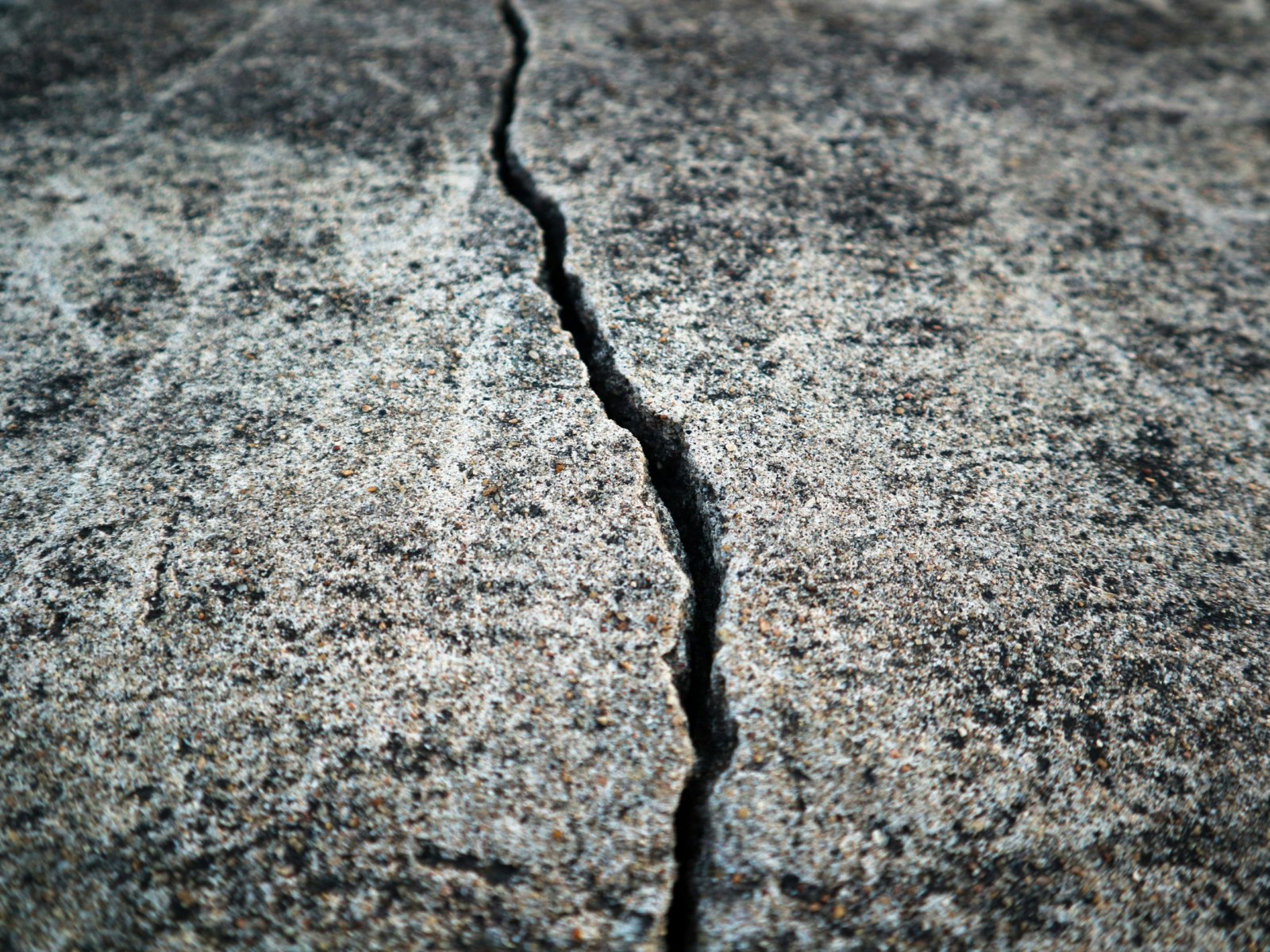
Earthquakes rarely occur as isolated events. Instead, they often appear in groups, forming what scientists call earthquake clusters. These clusters include aftershocks, foreshocks, and seismic swarms that reveal how stress moves through the Earth's crust. By studying these patterns, researchers can better understand how energy is released and how fault systems interact over time.
Seismic activity becomes especially important when it forms long-lasting sequences of earthquakes that may continue for months. These long earthquake activity earthquake patterns can be linked to stress redistribution, magma movement, or fluid migration beneath the surface. Understanding why earthquakes cluster helps improve forecasting models and supports better hazard preparedness for communities in high-risk zones.
Earthquake Clusters Explained: Aftershocks and Foreshocks Dynamics
Earthquake clusters typically start with a mainshock followed by a series of aftershocks as the Earth's crust adjusts to the sudden release of energy. This redistribution of stress along nearby faults creates predictable patterns that help scientists estimate how many aftershocks may occur and how long they will last. These secondary events can persist for days, weeks, or even months depending on the magnitude of the original earthquake. Their behavior follows measurable laws, meaning seismic activity gradually decreases rather than happening randomly.
Aftershocks are commonly described by Omori's law, which shows that their frequency drops over time—most occur shortly after the mainshock and then steadily taper off. These events often form dense clusters near the rupture zone, leaving a clear seismic footprint. In some cases, foreshocks may appear before a larger earthquake, signaling stress buildup beneath the surface. Meanwhile, long earthquake activity earthquake patterns can develop through afterslip, where faults continue moving slowly, transferring stress to nearby areas and extending seismic activity over longer periods.
Seismic Swarms Causes: Fluid Migration and Magma Dynamics
Seismic swarms are a unique type of earthquake activity that differs from typical earthquake clusters. They involve multiple small to moderate quakes occurring in a concentrated area without a clear mainshock. These patterns are often tied to underground processes such as fluid movement and magma dynamics. Understanding these swarms helps scientists monitor changes beneath the Earth's surface and assess potential risks.
- No dominant mainshock: Seismic swarms consist of many small to moderate earthquakes occurring in the same area without a single large event leading the sequence.
- Volcanic activity influence: These swarms are common in volcanic regions where rising magma increases pressure and triggers frequent seismic activity.
- Fluid migration triggers: Movement of underground fluids like water, gas, or wastewater alters pressure in fault zones, weakening rocks and triggering earthquakes.
- Stress changes along faults: Fluid migration can shift stress along fault lines, increasing the likelihood of multiple seismic events in a short period.
- High-frequency activity: Seismic swarms can generate hundreds of earthquakes per day, often in clusters over a localized area.
- Indicators of subsurface changes: These events may signal magma intrusion or changes in hydrothermal systems beneath the surface.
- Link to long earthquake activity earthquake patterns: Continuous fluid movement or magma intrusion can sustain seismic activity over time, creating extended earthquake patterns.
- Importance in monitoring regions: Tracking seismic swarms helps scientists evaluate volcanic behavior and assess potential eruption risks in sensitive areas.
Long Earthquake Activity Earthquake Patterns: Global Case Studies
Long earthquake activity earthquake patterns reveal how seismic energy continues to move through the Earth long after a major event. These extended sequences can last for weeks or even months, often shaped by stress redistribution across fault systems. By studying these patterns, scientists gain insight into how tectonic forces evolve over time. This knowledge is essential for understanding both aftershock behavior and long-term seismic risk.
- Extended earthquake duration: Earthquake clusters can last from several weeks to months, and in some cases even longer, especially after major seismic events.
- Aftershock sequences over time: Large earthquakes often trigger aftershocks that gradually decrease in intensity but can still pose risks to nearby communities.
- Stress redistribution across faults: Stress transfer from a main earthquake can affect nearby fault systems, increasing the likelihood of additional seismic activity.
- USGS research on stress transfer: Research from the United States Geological Survey shows how stress changes can trigger new earthquakes along surrounding faults.
- Seismic swarms persistence: Some seismic swarms continue for months due to ongoing processes such as fluid movement or magma activity beneath the surface.
- Chain reaction of earthquakes: Increased stress along fault lines can create a chain reaction, leading to multiple earthquakes in connected regions.
- Risk assessment for future earthquakes: Long earthquake activity earthquake patterns help scientists estimate where future earthquakes are likely to occur and their potential strength.
- Improved hazard identification: By analyzing these patterns, researchers can better identify high-risk zones and refine seismic hazard maps for safer planning.
Decode Earthquake Clusters Through Seismicity Forecasting Models
Modern seismic models help scientists analyze earthquake clusters and predict how they may evolve over time. These models use statistical approaches to identify patterns in seismic data and estimate the likelihood of future earthquakes. While exact prediction remains challenging, they improve risk assessment. One key method studies aftershock decay to anticipate ongoing activity, while seismic swarms reveal clues about underground processes like fluid movement or magma intrusion. The Southern California Earthquake Center supports research that improves these forecasting models and reduces uncertainty in predictions.
Seismic models analyze patterns in earthquake clusters and use aftershock decay to estimate future activity. Seismic swarms reveal underground fluid or magma movement, helping scientists understand subsurface changes. Forecasting models improve risk assessment accuracy. Understanding long earthquake activity earthquake patterns allows researchers to refine hazard maps and improve preparedness strategies for seismic risks.
Understanding Seismic Behavior for Safer Communities
Earthquake clusters, seismic swarms, and long earthquake activity earthquake patterns all reveal how dynamic and interconnected the Earth's crust can be. These patterns are shaped by stress changes, fluid movement, and tectonic forces that continue long after a major earthquake occurs. By studying these behaviors, scientists gain a clearer picture of how seismic energy travels and evolves.
Advances in seismic monitoring and forecasting models are helping improve our ability to interpret these patterns. While earthquakes cannot be prevented, understanding their clustering behavior helps reduce risks and supports better planning in vulnerable regions. Continued research into seismic activity will play a key role in protecting lives and infrastructure in the years ahead.
Frequently Asked Questions
1. What are earthquake clusters?
Earthquake clusters are groups of seismic events that occur close together in time and location. They include aftershocks, foreshocks, and seismic swarms. These clusters often follow a main earthquake but can also occur independently. Studying them helps scientists understand stress changes in the Earth's crust.
2. What causes seismic swarms?
Seismic swarms are often caused by fluid migration, magma movement, or changes in underground pressure. Unlike typical earthquake clusters, they do not have a single large mainshock. Instead, they consist of many smaller earthquakes occurring in a concentrated area. These swarms are common in volcanic and geothermal regions.
3. How long do earthquake clusters last?
The duration of earthquake clusters can vary widely depending on the size of the mainshock. Some last only a few days, while others can continue for months or even years. Long earthquake activity earthquake patterns are usually linked to ongoing stress redistribution or fluid movement. Monitoring helps track how these patterns evolve over time.
4. Can seismic swarms predict volcanic eruptions?
Seismic swarms can sometimes indicate that magma is moving beneath a volcano. However, not all swarms lead to eruptions. Scientists monitor these events closely to assess potential risks. They use multiple data sources to determine whether an eruption is likely.
Originally published on Science Times
© 2026 ScienceTimes.com All rights reserved. Do not reproduce without permission. The window to the world of Science Times.


