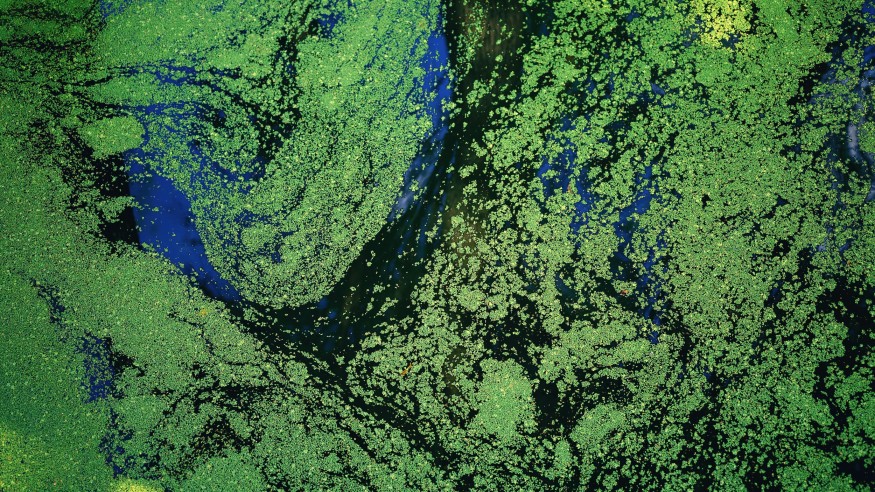
Microplastics have become one of the biggest environmental concerns linked to modern pollution. Scientists have detected these tiny plastic particles in oceans, rivers, rainwater, food supplies, and even inside the human body. One growing concern is the amount of microplastics in drinking water, with studies showing contamination in both bottled and tap water across multiple countries.
Now researchers believe a surprising natural solution may help reduce the problem. Recent studies suggest certain algae species can trap plastic particles in water and make them easier to remove during filtration. Scientists say this algae water filtration technology could eventually support cleaner and more sustainable water treatment systems around the world.
The research has gained attention because it uses biological materials instead of relying entirely on synthetic chemicals or expensive industrial filtration equipment. As global plastic pollution continues to rise, scientists are increasingly searching for eco-friendly ways to improve water purification.
Why Microplastics in Drinking Water Are a Growing Concern
Microplastics are tiny plastic fragments that usually measure less than five millimeters in size. Many form when larger plastics break down over time because of sunlight, heat, waves, and environmental exposure. Others come directly from industrial products, synthetic clothing fibers, or household waste. Researchers say plastic pollution enters drinking water systems through several pathways:
- Industrial wastewater
- Plastic packaging waste
- Synthetic textile fibers
- Tire particles from roads
- Cosmetic and cleaning products
- Poorly managed landfill runoff
Once plastics enter lakes, rivers, and groundwater systems, they become extremely difficult to remove completely. Traditional treatment plants can filter out some particles, but smaller fragments often remain behind.
Scientists are still studying the long-term health effects of human exposure. Some research suggests microplastics may carry harmful chemicals, bacteria, or toxins. Researchers have also detected plastic particles in blood, lungs, and human tissue samples.
A report highlighted by ScienceDaily discussed how researchers are investigating biological filtration methods because existing systems were not originally designed to handle massive amounts of microscopic plastic contamination.
Scientists Discover How Algae Removes Microplastics
The latest findings suggest algae removes microplastics through a natural binding process. Certain algae produce sticky substances known as extracellular polymers. These materials help plastic particles attach to algae cells floating in water.
Once attached, the plastics begin forming larger clumps that become easier to remove using sedimentation or traditional filters. Researchers say the process works similarly to how some water treatment chemicals gather contaminants together before filtration.
Scientists believe the discovery is important because it offers a biodegradable alternative to chemical coagulants often used in water treatment plants.
The algae-based system generally follows several stages:
- Algae are added to contaminated water
- Plastic particles stick to algae surfaces
- Larger clusters form naturally
- Filtration or settling removes the combined material
- Water undergoes additional purification if necessary
Early testing has shown promising results in controlled laboratory environments. Researchers say some algae species appear especially effective at trapping smaller plastic fragments that are normally difficult to capture.
According to researchers cited by ScienceDaily, the biological compounds produced by algae may help simplify filtration while reducing chemical waste generated during treatment.
Why Algae Water Filtration Technology Is Getting Attention
Scientists say algae water filtration technology stands out because it may provide several environmental and economic benefits compared to conventional methods. Some potential advantages include:
- Lower chemical usage
- Reduced treatment waste
- Renewable biological material
- Lower energy demands
- Potentially lower operating costs
- Improved sustainability
Many current filtration systems depend heavily on chemical additives or high-pressure membranes that require significant energy and maintenance. Researchers believe algae-based filtration could work alongside these systems while reducing their environmental impact.
Another major advantage is accessibility. Advanced filtration systems can be expensive for lower-income regions or areas with aging infrastructure. Since algae can grow naturally and reproduce quickly, scientists believe the technology could become a lower-cost option in the future. Researchers are also exploring whether algae filtration could help reduce the amount of microplastics entering oceans through wastewater discharge.
Challenges Scientists Still Need to Solve
Although the research is promising, scientists say algae removes microplastics most effectively under controlled conditions so far. Several challenges remain before the technology can be widely adopted for large municipal water systems.
One major issue involves nanoplastics, which are even smaller than microplastics. These tiny particles are far more difficult to detect and remove because they can pass through many filtration systems. Researchers are currently studying:
- Which algae species work best
- How the process performs at large scale
- Long-term maintenance requirements
- Safe disposal of collected plastic waste
- Water quality consistency
- Potential environmental side effects
Scaling the technology for large cities may also require major infrastructure adjustments. Scientists say pilot programs and real-world testing are necessary before full commercial adoption becomes possible.
Some experts caution that algae filtration alone will not solve global plastic pollution. Instead, they view it as one part of a broader strategy that includes reducing plastic production, improving recycling systems, and developing better waste management practices.
Growing Interest in Natural Water Purification
The discovery that algae removes microplastics is part of a larger scientific movement focused on nature-based environmental solutions. Researchers worldwide are studying biological systems that could improve water purification using:
- Plant fibers
- Bacteria
- Fungi
- Biochar materials
- Natural polymers
Scientists believe biological filtration may become increasingly important as climate change, pollution, and population growth place more pressure on global freshwater supplies.
A separate report from environmental researchers published through Nature Water emphasized that future treatment systems may combine multiple technologies instead of depending on a single filtration method. In many cases, algae-based systems could complement existing purification infrastructure rather than replace it completely.
Meanwhile, research discussed by organizations like the World Health Organization has continued raising awareness about the widespread presence of microplastics in drinking water and the importance of developing safer filtration systems.
Could Algae-Based Filtration Change Future Drinking Water Systems?
Scientists remain cautiously optimistic about the future of algae water filtration technology. While the research is still developing, many experts believe biological filtration systems could eventually become part of standard water treatment processes.
Researchers say the biggest advantage may be sustainability. Unlike some chemical-heavy systems, algae-based purification uses renewable materials that may reduce environmental damage over time.
The growing public concern about microplastics in drinking water is also pushing governments, universities, and environmental organizations to invest more heavily in advanced filtration research.
Although challenges remain, the discovery highlights how natural systems may help solve modern environmental problems. Scientists say future clean water technologies will likely combine engineering, biology, and environmental science to create safer and more efficient purification methods.
Cleaner Water Could Start With Nature-Based Solutions
As plastic pollution continues spreading across ecosystems worldwide, researchers are racing to find safer and more effective ways to protect drinking water supplies. The discovery that algae removes microplastics from contaminated water offers a glimpse into how biological solutions could support future purification systems.
Scientists still need more testing before algae water filtration technology becomes widely available, but the early results have generated strong interest across the scientific community. With further development, algae-based filtration may eventually help reduce plastic contamination while making clean water systems more sustainable and environmentally friendly.
Frequently Asked Questions
1. Can algae completely remove microplastics from drinking water?
Current studies show algae can remove significant amounts of microplastics, but no filtration method removes every particle completely. Researchers are still working to improve efficiency, especially for nanoplastics.
2. Why are microplastics in drinking water considered dangerous?
Scientists are studying possible health effects linked to long-term exposure. Concerns include inflammation, chemical toxicity, and the ability of microplastics to carry pollutants into the body.
3. How does algae water filtration technology work?
The algae produce sticky biological compounds that attract plastic particles. These particles clump together and become easier to remove through settling or filtration systems.
© 2026 NatureWorldNews.com All rights reserved. Do not reproduce without permission.


