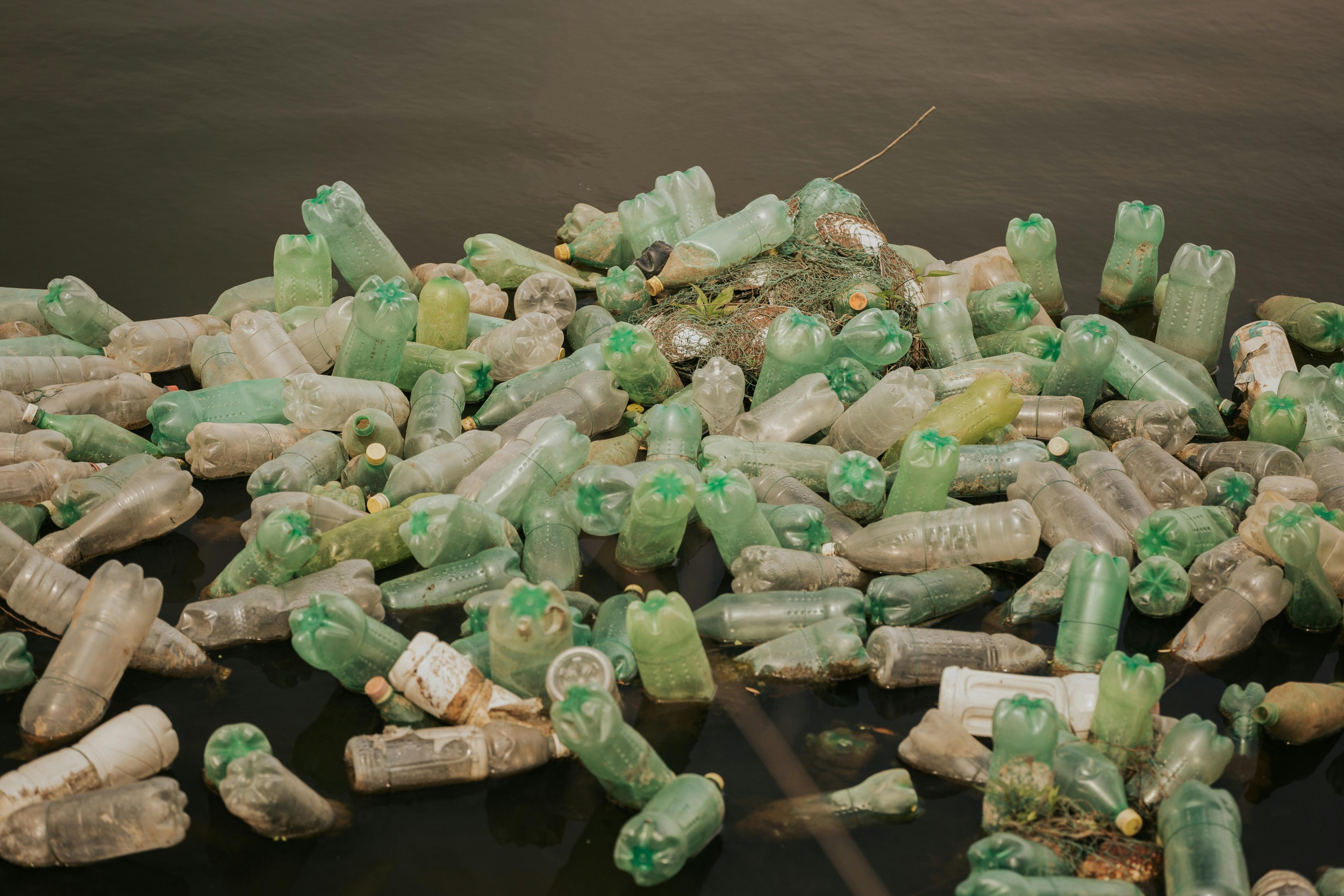
Plastic pollution is no longer only an ocean or landfill problem. Scientists are now finding growing evidence that airborne microplastics and nanoplastics may also influence Earth's climate. Tiny plastic particles floating in the atmosphere can absorb sunlight, interact with clouds, and contribute to atmospheric heating. This emerging research area is changing how experts understand pollution and global warming.
What Are Airborne Microplastics and Nanoplastics?
Microplastics are plastic fragments smaller than 5 millimeters, while nanoplastics are microscopic particles measured in nanometers. These particles form when larger plastics break down due to sunlight, friction, heat, and weathering. A recent study published in Nature Climate Change drew significant attention after researchers found that certain airborne plastic particles can trap more heat than previously expected. Combined with other studies on aerosols and atmospheric chemistry, the findings suggest that atmospheric warming from microplastics could become an important climate issue in the future.
Scientists have identified several major sources of airborne microplastics:
- Tire wear from vehicles
- Synthetic clothing fibers
- Industrial emissions
- Construction dust
- Plastic waste degradation
- Ocean spray carrying plastic fragments into the atmosphere
Unlike larger plastic waste, airborne particles can travel long distances through wind currents. Researchers have detected airborne plastics in mountain snow, rainwater, remote forests, and even polar regions.
Nanoplastics are receiving increased attention because their extremely small size allows them to remain suspended in the atmosphere for longer periods. Researchers studying nanoplastics and climate change believe these particles may behave similarly to aerosols, influencing atmospheric chemistry and heat transfer.
According to research published in Science Advances, atmospheric transport may play a major role in distributing microplastics across continents and oceans. The study highlighted how winds can move plastic particles into remote ecosystems far from urban pollution sources.
How Atmospheric Warming From Microplastics Happens
One of the most important findings from recent climate studies is that airborne plastic particles can absorb and scatter solar radiation. Some plastics act similarly to climate-active aerosols by trapping heat in the atmosphere.
The 2026 Nature Climate Change study found that colored microplastics absorb sunlight more efficiently than transparent plastics. Darker particles, including black, red, blue, and yellow plastics, showed particularly strong heat absorption.
This process is known as direct radiative forcing. It happens when particles alter the balance between incoming sunlight and outgoing heat energy. Scientists already know that soot and black carbon contribute to warming through this mechanism. Airborne plastics may now belong in the same category of climate-relevant particles.
Several factors influence how much warming airborne plastics produce:
- Particle color
- Polymer type
- Surface texture
- Atmospheric concentration
- Weathering and aging
Older plastics often absorb more radiation because weathering changes their surface properties. Rougher particles scatter and trap sunlight differently than newly manufactured plastics. Researchers also found that atmospheric warming from microplastics may be stronger in heavily polluted urban environments where airborne particle concentrations are higher.
Why Nanoplastics and Climate Change Are Linked
The connection between nanoplastics and climate change extends beyond heat absorption. Scientists believe these tiny particles may influence multiple atmospheric processes.
Because nanoplastics are so small, they have a very high surface-area-to-volume ratio. This allows them to interact more efficiently with water vapor, pollutants, and sunlight.
Researchers are studying whether nanoplastics may:
- Affect cloud formation
- Alter rainfall patterns
- Influence cloud brightness
- Change the atmospheric circulation
- Increased atmospheric heating
Cloud interactions are particularly important because clouds play a major role in regulating Earth's temperature. Some airborne particles act as cloud condensation nuclei, surfaces on which water vapor condenses to form droplets. Research from Penn State University suggested that microplastics could influence ice formation inside clouds. Changes in cloud structure may affect precipitation, and the amount of sunlight clouds reflect back into space.
Scientists are still trying to determine whether airborne nanoplastics contribute more to warming or cooling overall. However, many researchers agree that current climate models may underestimate their impact because plastic aerosols are often excluded from simulations.
Environmental and Health Concerns Surrounding Airborne Plastics
Climate effects are only part of the concern surrounding airborne microplastics. Researchers are also studying how these particles affect ecosystems and human health.
Airborne plastics eventually settle onto land and water through rainfall and gravity. This process spreads contamination into forests, rivers, agricultural soils, and oceans.
Environmental concerns include:
- Wildlife ingestion of plastic particles
- Soil contamination
- Ocean ecosystem disruption
- Food chain accumulation
- Reduced biodiversity
Human exposure is another growing research area. Indoor environments may contain large amounts of airborne plastic fibers from carpets, furniture, and synthetic fabrics. Researchers investigating inhalation exposure are studying possible links to:
- Respiratory irritation
- Lung inflammation
- Oxidative stress
- Cardiovascular effects
- Immune system responses
Nanoplastics may pose additional risks because their tiny size could allow them to penetrate deeper into the respiratory system than larger particles.
Why Scientists Need More Research on Airborne Microplastics
Despite growing evidence, researchers still face major challenges when studying airborne plastics. Detecting and measuring nanoplastics is extremely difficult because of their microscopic size and complex chemical composition.
Several scientific uncertainties remain:
- The exact amount of airborne plastic worldwide
- How long do particles remain suspended in the atmosphere
- The long-term warming effect
- Regional climate impacts
- Interactions with other pollutants
Current atmospheric monitoring systems were not originally designed to track plastic particles. Many scientists believe airborne plastic concentrations are likely underestimated.
Some researchers are now calling for plastic aerosols to be included in future climate assessments alongside greenhouse gases and traditional particulate pollution.
Advanced technologies may help improve future research, including:
- Satellite monitoring systems
- AI-assisted atmospheric modeling
- High-resolution particle sensors
- Improved laboratory analysis
- Standardized global monitoring methods
As scientific understanding improves, airborne plastics may become a more visible part of international climate discussions.
How Reducing Plastic Pollution Could Support Climate Goals
Reducing plastic waste can help address both environmental pollution and climate change. Most plastics are produced using fossil fuels, meaning plastic production already contributes significantly to greenhouse gas emissions.
Potential strategies include:
- Reducing single-use plastics
- Improving recycling systems
- Developing biodegradable materials
- Creating low-shedding synthetic textiles
- Expanding waste collection infrastructure
- Reducing open plastic burning
Some scientists argue that controlling airborne microplastics could eventually become part of broader climate mitigation strategies. International negotiations surrounding global plastic treaties are increasingly considering the connection between plastics and climate systems.
Research into atmospheric warming from microplastics is still relatively new, but findings continue to show that plastic pollution extends far beyond oceans and landfills. Airborne microplastics and nanoplastics are now emerging as possible contributors to atmospheric warming, cloud changes, and global climate processes. As scientists gather more evidence, these invisible particles may become an important focus in both climate science and environmental policy.
Frequently Asked Questions
1. What are airborne microplastics?
Airborne microplastics are tiny plastic particles suspended in the air. They come from sources such as tire wear, synthetic clothing fibers, industrial pollution, and degrading plastic waste.
2. How do airborne microplastics contribute to atmospheric warming?
Airborne plastics can absorb and scatter sunlight. Some darker plastic particles trap heat in the atmosphere through a process called direct radiative forcing, which may contribute to global warming.
3. What is the difference between microplastics and nanoplastics?
Microplastics are plastic fragments smaller than 5 millimeters, while nanoplastics are much smaller particles measured in nanometers. Nanoplastics can remain airborne longer and interact more easily with atmospheric systems.
© 2026 NatureWorldNews.com All rights reserved. Do not reproduce without permission.


