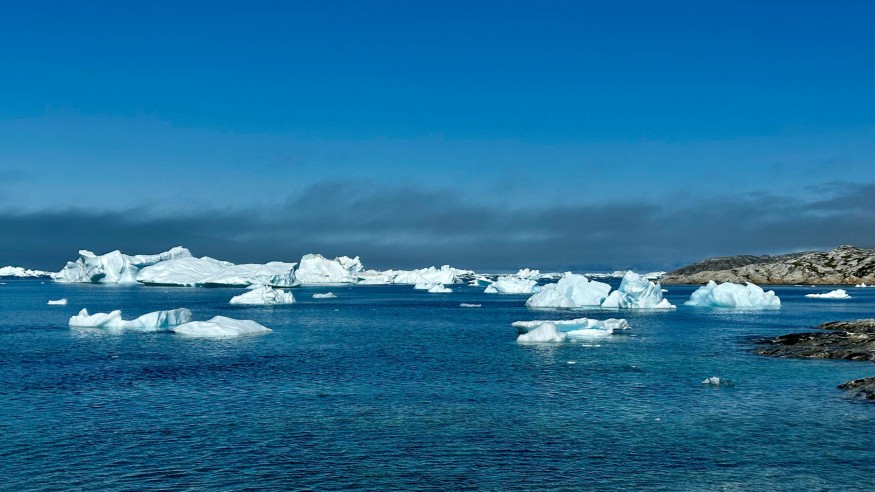
Greenland ice melt is increasing at an alarming pace, and climate researchers say the latest findings reveal a major shift in the Arctic environment. A new scientific study found that melting across Greenland's ice sheet has surged sixfold since the 1990s, raising concerns about rising sea levels and long-term climate instability.
Why Greenland's Ice Sheet Is Melting So Quickly
Scientists point to several major factors driving Greenland climate change and the rapid increase in ice sheet melting.
According to a recent report covered by ScienceDaily, scientists tracked decades of meltwater runoff using satellite observations and climate models. Their findings showed a dramatic rise in meltwater production over the past several decades.
Rising Global Temperatures
Human-caused greenhouse gas emissions remain the primary reason behind Greenland ice melt. Carbon dioxide, methane, and other greenhouse gases trap heat in Earth's atmosphere, leading to steadily rising global temperatures.
Darker Ice Absorbs More Heat
Fresh snow normally reflects sunlight back into space. However, as melting intensifies, darker ice and exposed land surfaces absorb more solar energy.
This creates a dangerous feedback loop:
- Ice melts and exposes darker surfaces
- Darker surfaces absorb more heat
- Additional heat accelerates more melting
- The cycle continues to intensify
Researchers say this feedback effect is becoming increasingly common during major Arctic heatwaves.
Warmer Ocean Waters Are Eroding Glaciers
Scientists have also observed rising ocean temperatures surrounding Greenland. Warmer seawater weakens glaciers from below, causing ice shelves to thin and break apart.
As glaciers lose stability, they move more quickly toward the ocean. This process contributes directly to rising sea levels around the world.
A recent climate analysis discussed by Phys.org noted that Greenland's coastal glaciers are retreating faster than many older climate models predicted.
Extreme Heatwaves and Weather Patterns
Persistent atmospheric blocking systems can trap warm air over Greenland for long periods of time. These conditions create intense heatwaves that trigger widespread melting across large sections of the ice sheet.
In some recent years, satellites detected melting over nearly the entire surface of Greenland's ice sheet during peak summer periods.
Scientists warn that these extreme melt events are becoming less rare as Greenland climate change accelerates.
Greenland Ice Melt Is Raising Global Sea Levels
One of the biggest concerns surrounding Greenland ice melt is its impact on global sea levels.
Greenland contains enough frozen water to raise sea levels by approximately 23 feet if the entire ice sheet melted completely. While scientists say that scenario would likely take centuries, even partial melting can create major risks for coastal communities.
Rising sea levels can lead to:
- Increased coastal flooding
- Stronger storm surges
- Shoreline erosion
- Damage to infrastructure
- Saltwater contamination of freshwater supplies
- Population displacement in vulnerable regions
Climate scientists say Greenland is already one of the largest contributors to modern sea-level rise.
Research from NASA has also shown that Greenland has lost trillions of tons of ice over the past few decades. Satellite measurements continue showing accelerating ice sheets melting across several glacier systems.
Scientists Fear Dangerous Climate Tipping Points
Researchers are increasingly concerned that Greenland's ice sheet could eventually reach irreversible tipping points.
A tipping point occurs when environmental damage becomes self-sustaining, meaning ice loss continues even if temperatures later stabilize.
Scientists studying Greenland climate change have identified several warning signs that concern researchers:
- Faster glacier retreat
- Earlier melting seasons
- Larger meltwater lakes
- Expanding cracks and crevasses
- Reduced snowfall accumulation
Some studies suggest portions of Greenland's ice sheet may already be approaching critical thresholds.
According to reporting from The Guardian, researchers recently discovered that large crevasses across Greenland's ice sheet are expanding more rapidly than expected. Scientists say these structural changes could weaken glaciers and speed up ice loss even further.
Greenland Ice Melt Could Disrupt Ocean Currents
Another major concern involves the impact of Greenland ice melt on ocean circulation systems.
As massive amounts of freshwater enter the North Atlantic Ocean, scientists worry about disruptions to the Atlantic Meridional Overturning Circulation, often called the AMOC.
This current system helps regulate temperatures and weather patterns across large parts of Europe and North America.
Researchers say a weaker AMOC could potentially lead to:
- More extreme storms
- Changes in rainfall patterns
- Colder winters in some regions
- Greater climate instability worldwide
Although scientists are still studying the long-term effects, many agree that continued ice sheet melting could significantly influence global weather systems.
Record-Breaking Melt Events Continue Across Greenland
Greenland has experienced several historic melt seasons during the past two decades.
Scientists observed unusually intense melting during major Arctic heatwaves, with some regions experiencing rain at elevations where snow historically remained frozen year-round.
Researchers also found evidence that parts of Greenland's ice sheet melted extensively thousands of years ago during earlier warm periods. Some scientists believe current warming trends could trigger similar large-scale melting events again.
The Washington Post recently highlighted studies showing that ancient Greenland ice loss occurred under climate conditions less severe than today's projected warming levels.
These findings have increased concerns that modern Greenland climate change could produce faster and larger ice losses than previously expected.
Can Greenland's Ice Sheet Melting Be Slowed?
Scientists say reducing greenhouse gas emissions remains the most important step for slowing Greenland ice melt.
Climate experts believe international efforts could still reduce the most severe long-term consequences if global warming is limited quickly.
Some commonly proposed climate strategies include:
- Expanding renewable energy use
- Reducing fossil fuel consumption
- Investing in clean transportation
- Protecting Arctic ecosystems
- Strengthening international climate agreements
- Improving climate adaptation planning
Researchers caution that some level of continued ice sheet melting is already unavoidable because of existing warming.
However, scientists also stress that future emission reductions can still make a major difference in slowing long-term sea-level rise and limiting environmental damage.
Greenland Ice Melt Has Become a Global Climate Warning
The sixfold surge in Greenland ice melt is becoming one of the strongest indicators of accelerating climate change.
Scientists say Greenland's rapidly changing ice sheet is no longer just a regional Arctic issue. The effects of Greenland climate change could influence sea levels, weather systems, economies, and ecosystems worldwide.
As researchers continue monitoring ice sheet melting through satellite observations and climate modeling, many warn that the coming decades may determine how severe future climate impacts become.
The latest scientific findings suggest Greenland is entering a new era of accelerated melting, and scientists around the world are watching closely.
Frequently Asked Questions
1. Why is Greenland ice melt increasing so quickly?
Greenland ice melt is accelerating because of rising global temperatures, Arctic amplification, warmer ocean waters, and more frequent heatwaves. Scientists say greenhouse gas emissions remain the primary driver of Greenland climate change.
2. How does Greenland ice melt affect sea levels?
As Greenland's ice sheet melts, large amounts of freshwater enter the oceans, causing global sea levels to rise. This increases flooding risks for coastal cities and low-lying communities.
3. Could Greenland's entire ice sheet melt completely?
Scientists say a complete melt would likely take centuries, but Greenland contains enough ice to raise sea levels by around 23 feet if fully melted.
© 2026 NatureWorldNews.com All rights reserved. Do not reproduce without permission.


