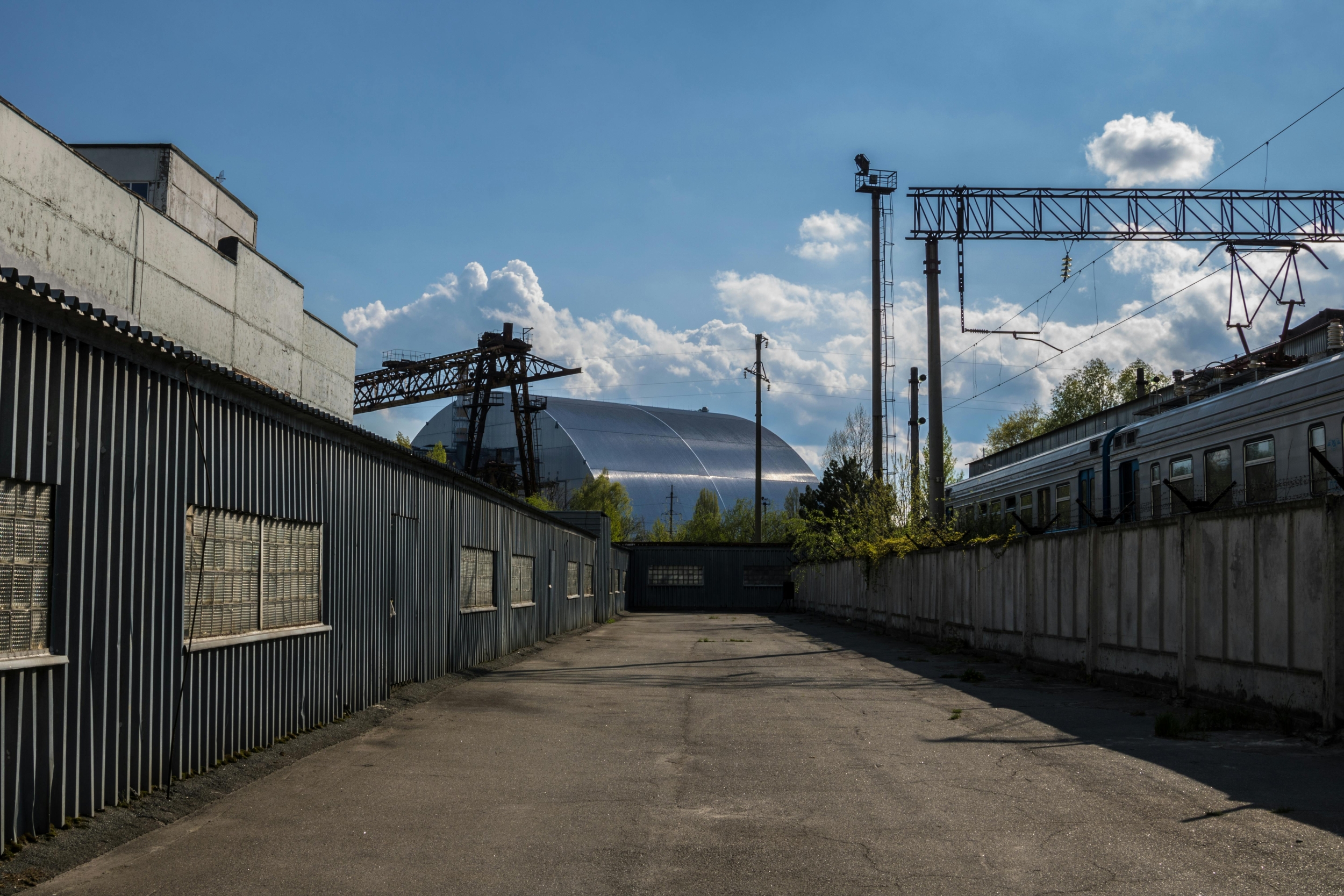
When the Chernobyl nuclear disaster happened in 1986, scientists feared the surrounding environment would remain lifeless for centuries. The explosion at Reactor No. 4 released radioactive material across large parts of Ukraine and Belarus, forcing entire communities to evacuate.
Nature Reclaimed Chernobyl After Humans Left
Today, Chernobyl wildlife includes wolves, deer, wild boars, foxes, lynx, elk, and hundreds of bird species. Forests spread through abandoned neighborhoods while animals roam freely across empty roads and buildings inside the exclusion zone.
According to reporting from the BBC's Future section, researchers studying the area were surprised by how quickly wildlife returned after humans disappeared. Some scientists now describe the region as an accidental wildlife sanctuary. The recovery does not mean radiation disappeared. Instead, it reveals how ecosystems can change when human pressure suddenly stops.
Why Wildlife in Chernobyl Exclusion Zone Increased
The return of animals inside the exclusion zone created a strange environmental paradox. Radiation remains dangerous in many parts of Chernobyl, yet wildlife populations still increased.
Scientists believe one major reason is the absence of humans.
Before the disaster, the region experienced farming, logging, road traffic, industrial activity, and hunting. After evacuation, much of that stopped almost immediately. Forests expanded naturally while animals regained territory once dominated by people.
Researchers studying wildlife in Chernobyl exclusion zone often point to several factors behind the recovery:
- Hunting nearly disappeared
- Human development stopped
- Forests and wetlands expanded
- Roads became quieter
- Large mammals regained habitat
Some researchers argue this shows how heavily human activity affects ecosystems. In certain areas, the absence of people may have benefited wildlife more than radiation harmed it.
Still, scientists warn this does not mean the environment became healthy or safe.
Read Also: How Airborne Microplastics and Nanoplastics Contribute to Climate Change and Atmospheric Warming
Chernobyl Radiation Animals Are Not Movie Monsters
Popular culture often portrays Chernobyl radiation animals as giant mutated creatures. Real scientific studies paint a much more complicated picture.
Most radiation effects are subtle rather than dramatic.
Instead of oversized mutations, researchers found problems such as:
- DNA damage
- Lower fertility
- Cataracts in birds
- Developmental abnormalities
- Shorter lifespans
- Increased tumor risks
Some species appear more vulnerable than others. Birds, insects, and small mammals often show clearer signs of biological stress in highly contaminated areas.
At the same time, large mammals like wolves and boars continue reproducing successfully across much of the zone.
This mixed evidence is why scientists still debate the long-term impact of radiation on the ecosystem.
Wolves, Frogs, and Dogs Are Helping Scientists Understand Radiation
Several species living near Chernobyl became important research subjects.
Wolves May Be Developing Radiation Resistance
Gray wolves became one of the most studied animals inside the exclusion zone because their populations remain surprisingly large.
Recent studies discussed by Popular Mechanics reported that researchers found genetic and immune-system changes in some wolves exposed to chronic radiation. Scientists are investigating whether these adaptations may help protect against cancer or cellular damage.
Researchers say the findings could eventually help scientists understand how living organisms respond to radiation over multiple generations.
Frogs Developed Darker Skin
Eastern tree frogs near Chernobyl also showed unusual changes. Researchers found many frogs living in contaminated areas developed darker skin coloration than frogs outside the zone.
Scientists believe higher melanin levels may help reduce radiation damage because melanin can absorb some harmful effects.
Stray Dogs Became Genetically Different
Descendants of abandoned pet dogs still live near the reactor today. DNA studies found these dog populations became genetically distinct from dogs living farther away.
Scientists are still studying whether radiation exposure or geographic isolation caused the changes.
The Red Forest Remains Highly Dangerous
Not every part of Chernobyl recovered equally. One of the most contaminated regions remains the Red Forest, located close to the reactor. After the explosion, nearby pine trees absorbed massive radiation doses and quickly died, turning reddish-brown.
Even today, parts of the forest remain heavily radioactive. Wildfires continue creating concern because burning vegetation can release radioactive particles back into the atmosphere. According to environmental researchers cited by Phys.org, climate change may increase these wildfire risks in coming years.
What Chernobyl Wildlife Reveals About Nature
The story of Chernobyl wildlife is more complicated than simple survival or destruction.
The exclusion zone is not a dead wasteland, but it is not fully healed either. Some animals adapted surprisingly well while others continue suffering hidden biological damage decades after the disaster.
Scientists still disagree about what the region truly represents. Some view it as proof of nature's resilience. Others believe radiation continues causing long-term ecological harm beneath the surface.
What remains clear is that wildlife in Chernobyl exclusion zone changed scientific understanding of how ecosystems respond after human disappearance and environmental catastrophe.
Nearly forty years after the nuclear disaster, Chernobyl remains one of the world's most unusual living laboratories.
Frequently Asked Questions
1. Is wildlife thriving in Chernobyl today?
Many large animal populations increased after humans left the area, although some species still show radiation-related health problems.
2. Are there mutated animals in Chernobyl?
Scientists found subtle genetic and biological changes, but not giant "monster" mutations commonly shown in fiction.
3. Why did animals return to Chernobyl?
The absence of humans allowed forests and habitats to recover naturally, giving wildlife more space to expand.
© 2026 NatureWorldNews.com All rights reserved. Do not reproduce without permission.


