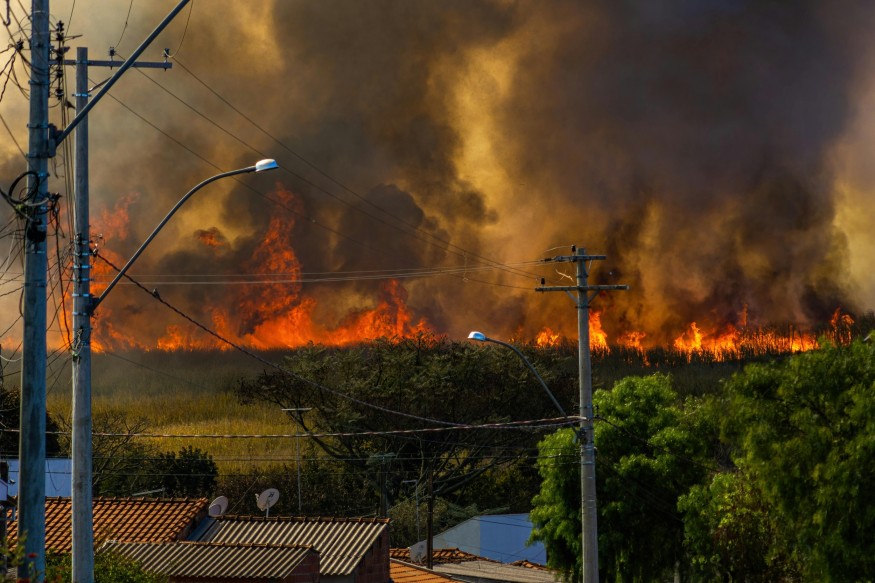
Wildfires are becoming larger, hotter, and more destructive across many parts of the world. Most people associate wildfire danger with flames and thick smoke clouds, but researchers now say another threat may be causing serious health damage without being easily noticed. According to recent satellite-based research, wildfire ozone pollution may contribute to thousands of excess deaths every year.
The study has drawn attention to an invisible wildfire pollutant known as ground-level ozone. Unlike visible smoke particles, ozone cannot be seen in the air, yet scientists say it may significantly worsen wildfire smoke health risks for millions of people living far from active fires.
Recent wildfire seasons in North America, South America, Europe, and Australia have already shown how smoke can spread across continents. Researchers now believe invisible pollutants formed during these fires may create even wider public health impacts than previously understood.
What Is Wildfire Ozone Pollution?
Ground-level ozone forms when chemicals released during wildfires react with sunlight and heat in the atmosphere. Wildfires release nitrogen oxides and volatile organic compounds, which combine under certain weather conditions to create ozone pollution.
This type of ozone differs from the ozone layer high above Earth that protects the planet from ultraviolet radiation. Ground-level ozone is harmful to human health and is considered a major air pollutant.
One reason this invisible wildfire pollutant is especially concerning is because it may linger even after visible smoke begins to disappear. People may think air conditions have improved while ozone levels remain dangerously high.
A recent report covered by Space.com explained that researchers used nearly two decades of satellite observations to analyze the connection between wildfire emissions and ozone-related deaths.
Satellite Data Reveals a Hidden Public Health Problem
Scientists increasingly rely on satellites to study wildfire pollution because smoke can travel enormous distances. Traditional ground-based monitoring stations only provide localized measurements, while satellites allow researchers to observe pollution movement across entire regions.
The recent study found that wildfire ozone pollution was associated with an estimated average of more than 2,000 excess deaths annually in the United States alone. During especially severe wildfire seasons, the estimated death toll increased dramatically.
Researchers noted that wildfire-driven ozone pollution may account for a meaningful percentage of wildfire-related mortality that had previously been linked mostly to smoke particles.
Another analysis discussed by Phys.org highlighted how machine learning models and atmospheric chemistry tools helped scientists track invisible pollution patterns more accurately than before.
The findings also showed that ozone pollution can affect regions located hundreds or thousands of miles away from the actual fires. This means communities far outside wildfire zones may still face serious wildfire smoke health risks.
Why Ozone Is Dangerous to Human Health
Ground-level ozone irritates the respiratory system and triggers inflammation in the lungs. Health experts say exposure can become especially dangerous during long wildfire seasons when people repeatedly inhale polluted air over weeks or months. Common health effects linked to ozone exposure include:
- Coughing and throat irritation
- Shortness of breath
- Chest tightness
- Reduced lung function
- Increased asthma attacks
- Greater cardiovascular stress
Researchers also warn that ozone exposure may worsen chronic health conditions and increase the risk of premature death among vulnerable populations.
Unlike visible smoke, ozone cannot be easily detected without monitoring equipment. This makes the invisible wildfire pollutant particularly difficult for the public to recognize.
Wildfire Smoke Health Risks Continue to Grow
Wildfire smoke already contains dangerous pollutants such as PM2.5, tiny airborne particles capable of entering the bloodstream through the lungs. Scientists now say ozone adds another major layer of risk.
Together, PM2.5 and ozone can create severe air quality problems affecting:
- Children
- Older adults
- Pregnant individuals
- People with asthma
- Individuals with cardiovascular disease
- Outdoor workers
According to health researchers, even healthy adults may experience symptoms during heavy smoke events, especially when exposure lasts for several consecutive days.
Smoke-related health emergencies have become increasingly common during major wildfire outbreaks. Hospitals often report increases in respiratory distress cases during severe smoke episodes.
Research discussed by Medical Xpress suggested that wildfire pollution may contribute to tens of thousands of deaths annually when both smoke particles and ozone exposure are considered together.
Climate Change Is Making Wildfires Worse
Scientists widely agree that climate change is contributing to more frequent and intense wildfires across many parts of the world. Rising temperatures, prolonged droughts, and drier vegetation create ideal conditions for large fires.
Several trends have become increasingly noticeable:
- Longer wildfire seasons
- Larger burn areas
- Faster-spreading fires
- More extreme heat waves
- Increased smoke production
These conditions also create a favorable environment for ozone formation. Hot temperatures and strong sunlight accelerate the chemical reactions responsible for ground-level ozone production.
Researchers warn that wildfire ozone pollution could continue to increase if global wildfire activity continues to rise over the coming decades.
Some studies suggest that air pollution from smoke is now reversing decades of air quality improvements achieved through environmental regulations in several countries.
How Satellites Track Invisible Wildfire Pollutants
Modern satellites provide critical data for tracking wildfire emissions and the movement of air pollution. Scientists use several tools to monitor changing atmospheric conditions during fire events.
Satellite systems can detect:
- Smoke plumes
- Heat signatures
- Atmospheric gases
- Ozone concentrations
- Wind-driven pollution transport
Artificial intelligence and atmospheric models are also becoming more important for predicting how wildfire smoke spreads.
Satellite monitoring allows governments and health agencies to issue public warnings more quickly during dangerous air quality events.
Researchers say these technologies are especially important because wildfire smoke can cross borders and oceans. Large fires in one region may affect air quality thousands of miles away.
How People Can Reduce Exposure During Wildfire Events
Public health agencies recommend several steps to reduce the health risks from wildfire smoke during periods of poor air quality. Here are some commonly recommended precautions:
- Stay indoors when air quality levels are hazardous
- Use HEPA air purifiers if available
- Keep windows and doors closed
- Wear N95 masks outdoors
- Avoid strenuous outdoor exercise during smoke events
- Monitor local Air Quality Index reports regularly
Experts also advise paying attention to symptoms such as persistent coughing, wheezing, or breathing difficulty during wildfire season.
Communities around the world are increasingly investing in emergency air quality systems as wildfire smoke events become more common.
Why Invisible Wildfire Pollution Is Becoming a Global Concern
The latest findings suggest wildfire pollution is no longer just a regional environmental issue. Smoke and ozone can travel across countries and continents, exposing millions of people to dangerous air conditions far from active fires.
Scientists say wildfire ozone pollution represents a growing challenge for public health agencies because it is harder to detect than visible smoke and may remain in the atmosphere after smoke appears to clear.
As climate change continues influencing wildfire activity, researchers expect more attention to focus on invisible wildfire pollutant exposure and its long-term health consequences.
Satellite technology, improved forecasting systems, and stronger air quality policies may help reduce future risks, but experts warn that rising wildfire activity could continue increasing wildfire smoke health risks in the years ahead.
Frequently Asked Questions
1. What is wildfire ozone pollution?
Wildfire ozone pollution is ground-level ozone formed when chemicals released by wildfires react with sunlight and heat in the atmosphere.
2. Why is ozone called an invisible wildfire pollutant?
Ozone cannot be seen like smoke particles, but it can still cause serious respiratory and cardiovascular health problems.
3. Can wildfire smoke travel long distances?
Yes. Wildfire smoke and ozone pollution can spread hundreds or even thousands of miles depending on weather and wind conditions.
© 2026 NatureWorldNews.com All rights reserved. Do not reproduce without permission.


