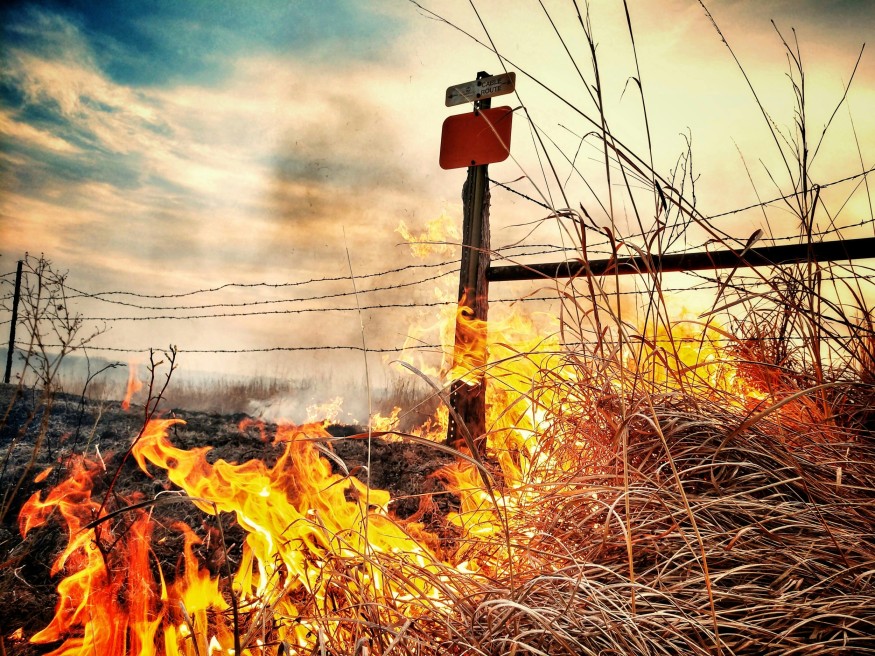
Wildfire prevention methods safeguard homes, wildlife, and landscapes against the annual threat of fire season. Techniques like prescribed burns and fuel reduction tackle overgrown vegetation that fuels destructive blazes. These strategies restore balance to ecosystems while keeping communities safer.
Prescribed Burns: Controlled Fire for Safety
Prescribed burns rank among the most effective wildfire prevention methods, especially ahead of fire season. Fire experts ignite these low-intensity flames under precise weather conditions—think mild winds, higher humidity, and cooler temperatures—to clear out dead leaves, dry grasses, and small branches. The goal is simple: reduce the thick blanket of fuel that turns small sparks into raging infernos.
This approach mimics nature's own cycles, where wildfires historically swept through forests every few years. Without them, fuel piles up over decades, creating ladder fuels that carry flames from ground level into treetops. A well-planned burn consumes this material safely, leaving behind bare soil that firefighters can defend during an actual outbreak.
Land managers monitor moisture levels in vegetation and forecast winds days in advance. Crews establish firebreaks around the burn area to contain it, then watch every smolder until it's out. Post-burn, new green shoots often sprout, boosting biodiversity and making forests more resilient to drought.
Experts at the U.S. Forest Service have long championed prescribed burns, noting how they cut wildfire intensity by up to 60% in treated zones. Pairing them with mechanical thinning beforehand ensures even finer fuels get cleared, amplifying results.
In fire-prone states like California or Australia, these burns happen in late fall or early spring, dodging peak fire season heat. Communities near burn sites sometimes notice brief smoke, but it pales against the thick haze from uncontrolled megafires. Over time, regular prescribed burns shorten fire seasons and save billions in suppression costs.
Fuel Reduction: Thinning Out the Threat
Fuel reduction forms the backbone of wildfire prevention methods, targeting the excess biomass that drives fire season chaos. This hands-on work involves chainsaws, loppers, and heavy equipment to thin overcrowded stands of trees, shrubs, and understory plants. The aim is to create gaps—spaces where fire can't leap easily from one plant to the next.
Start close to the ground: remove dry debris, pine needles, and matted leaves that ignite first. Move upward to prune low branches on trees, breaking those ladder fuels. In denser forests, crews space mature trees 10 to 20 feet apart, hauling away the cuttings to a chipper or pile for later burning.
Homeowners join in with simpler tools—mowers for grass, rakes for leaves, and pruners for bushes. Keep grass under four inches tall and clear roofs of pine needles weekly as fire season looms. Larger properties might hire goats, whose grazing naturally reduces fine fuels without machinery.
Studies from the Nature Conservancy highlight how fuel reduction slashes flame lengths and rates of spread, giving crews precious time to protect structures. In one Pacific Northwest project, treated areas saw fires stay low to the ground, sparing canopies and cutting smoke pollution.
Fuel reduction shines in defensible space zones around homes. Zone 1, from 5 to 30 feet out, demands heavy thinning: no plants touching the house, trees spaced widely, and mulch swapped for gravel. Extend to Zone 2, up to 100 feet, with lighter touches like mowing and limb removal. These buffers slow embers and give firefighters a fighting chance.
During fire season prep, agencies map high-risk spots using satellite data on vegetation density. They prioritize wildland-urban interfaces where homes butt up against forests. Chipping operations turn branches into mulch sold locally, turning waste into community resources.
Firebreaks and Defensible Space: Frontline Defenses
Firebreaks and defensible space anchor wildfire prevention methods by physically stopping fire in its tracks. A firebreak is a deliberate gap—often 20 to 50 feet wide—cleared of all vegetation, sometimes disked with plows or lined with gravel. Placed strategically along ridges or property lines, they starve flames of fuel and open lanes for water drops or dozer lines.
Natural features like rivers or rocky outcrops double as firebreaks, but humans enhance them. Road shoulders, plowed fields, and mowed pastures serve the same purpose without extra cost. In steep terrain, wider breaks account for faster uphill fire runs.
Defensible space builds on this idea around individual properties. Clear the first five feet of anything flammable—no woodpiles, propane tanks too close, or vines on siding. This "ember-resistant" zone shrugs off flying sparks, the real culprits in most home losses.
Expand outward: thin plants so they're not touching, elevate tree canopies 6 to 15 feet, and limb up young trees. Use fire-resistant species like oaks over resin-rich pines. Metal gutters over wood ones catch falling embers before they ignite roofs.
The California Fire Safe Council lays out clear guidelines in their defensible space handbook, stressing annual maintenance as key. Neglect lets fuels creep back, undoing years of work. Pair these with community-wide efforts—neighborhood chipping days or shared firebreaks—for maximum impact.
During fire season, well-maintained spaces let owners evacuate calmly, knowing their property stands a better shot. Insurers often offer discounts for compliant homes, tying prevention to real savings.
Read Also: What's Buried Beneath Antarctica? Exploring Hidden Ice Subglacial Lakes, and Untold Mysteries
Integrating Methods for Lasting Protection
Wildfire prevention methods thrive when combined, creating layered defenses against fire season threats. Prescribed burns clear vast swaths after fuel reduction preps the ground, while firebreaks and defensible space guard the edges. Agencies time burns post-monsoon, when fuels are damp, then follow with monitoring to spot invasive regrowth.
Public education fills gaps: workshops teach residents to scout their lots, spotting fuel hazards like dead oaks or juniper thickets. Apps track fire season forecasts, urging preemptive mowing or trimming. Volunteer crews maintain breaks, fostering neighborly bonds.
Long-term, these tactics shift mindsets from suppression-only to proactive stewardship. Forests rebound healthier, wildlife adapts to patchy burns, and air quality improves with fewer crown fires. Costs drop too—prevention pennies beat firefighting dollars.
The American Red Cross emphasizes personal steps like securing decks and screening vents, weaving them into broader strategies. Forward-thinking regions invest in tech: drones map fuels, AI predicts burn windows, and sensors flag hot spots early.
Fire Season Preparedness Checklist
Landowners gear up for fire season with this straightforward checklist rooted in proven wildfire prevention methods.
- Audit your property early: Walk the lot to spot fuel buildup like dead trees, thick brush, or leaf piles; measure defensible space zones from 0-5 feet out to 100 feet.
- Clear the 5-foot ember zone: Remove vines, mulch, and combustibles right against the house; sweep roofs and gutters of needles and debris weekly as fire season nears.
- Thin fuels in Zones 1 and 2: Prune low branches to 6-15 feet up, space trees 10-20 feet apart, mow grass under 4 inches, and chip or haul away cuttings.
- Build and maintain firebreaks: Clear 20-50 foot wide strips of vegetation along property lines or ridges; use gravel, mowed fields, or disked soil for barriers.
- Coordinate fuel reduction: Hire crews for thinning, deploy goats for grazing fine fuels, or join neighborhood chipping days to handle debris.
- Prep for prescribed burns if eligible: Contact local agencies to enroll land in burn programs; ensure firebreaks surround treatment areas.
- Harden the home: Install 1/8-inch metal mesh on vents, eaves, and decks; use Class A fire-rated roofing and seal gaps around windows.
- Stock tools and water: Keep rakes, shovels, axes, buckets, and hoses handy; identify water sources like ponds or pools for defense.
- Plan evacuation routes: Map multiple exits, practice with family and pets, fill gas tanks, and pack a go-bag with essentials.
- Stay informed: Monitor local fire alerts via apps, radio, or sirens; review insurance and document improvements for discounts.
- Inspect annually: Check zones and firebreaks before fire season peaks; trim regrowth and update plans with neighbors.
These habits turn vulnerability into strength. Communities applying them year-round weather fire season with fewer scars, proving prevention's power.
Frequently Asked Questions
1. What are the main wildfire prevention methods?
Wildfire prevention methods include prescribed burns, fuel reduction, firebreaks, and defensible space techniques. These strategies reduce fuel loads and create barriers during fire season.
2. How do prescribed burns help during fire season?
Prescribed burns clear excess vegetation under controlled conditions, mimicking natural fires. They lower the risk of intense blazes by reducing fuel buildup.
3. What is fuel reduction and why does it matter?
Fuel reduction thins out dense plants, dead wood, and ladder fuels. It slows fire spread and intensity, making landscapes safer for fire season.
© 2026 NatureWorldNews.com All rights reserved. Do not reproduce without permission.


