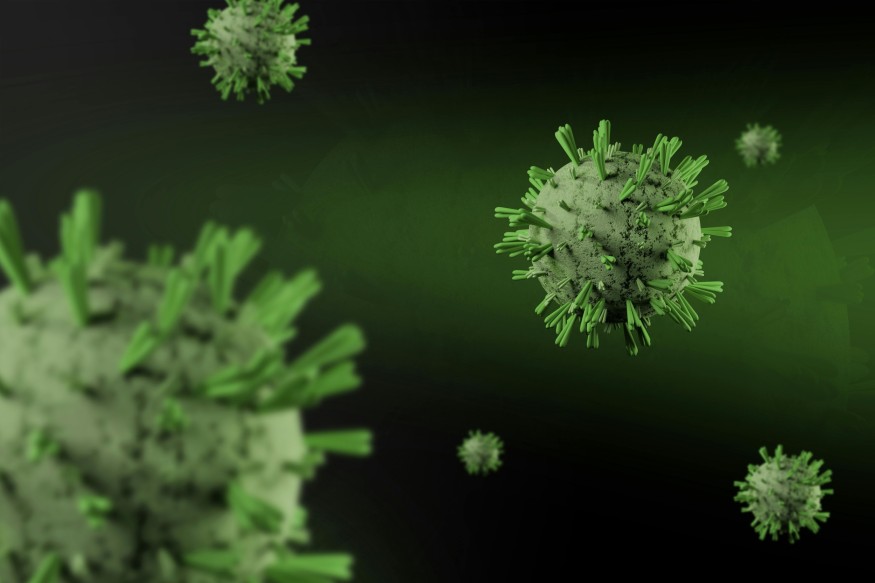
A recent deadly hantavirus outbreak has renewed global concern about a dangerous virus that still has no approved hantavirus vaccine. Although hantavirus infections remain relatively rare, health experts say the disease can become deadly very quickly once symptoms worsen.
Hantavirus spreads mainly through contact with infected rodent urine, saliva, or droppings. People can also inhale contaminated dust particles in enclosed areas like cabins, barns, sheds, or abandoned buildings. According to the U.S. Centers for Disease Control and Prevention (CDC), severe cases of Hantavirus Pulmonary Syndrome (HPS) can carry fatality rates of around 38%.
Why Scientists Are Concerned About Future Outbreaks
Scientists say one major problem is that there is no specific cure or widely available hantavirus vaccine despite years of research. A recent report from the journal Nature highlighted growing concerns among researchers who believe future outbreaks could become more difficult to manage as environmental changes increase human exposure to rodents.
Early hantavirus symptoms often resemble the flu, which makes diagnosis difficult at first. Common symptoms include:
- Fever
- Muscle aches
- Fatigue
- Headaches
- Nausea
As the disease progresses, patients may develop severe breathing problems that require hospitalization and oxygen support. Doctors say early medical treatment can improve survival chances significantly.
Read Also: 8-Year-Old Boy's Backyard Discovery of Oak Galls, Ants, and Wasp Larvae Shocks Scientists
What Could Increase the Risk of a Deadly Hantavirus Outbreak
Researchers believe several factors may increase the risk of future deadly hantavirus outbreaks:
- Climate change affecting rodent populations
- Expanding human activity near wildlife habitats
- Increased travel and environmental disruption
- Limited public awareness about hantavirus prevention
The lack of a hantavirus vaccine is partly linked to the virus being relatively uncommon compared to diseases like influenza or COVID-19. Vaccine development for rare diseases often receives less pharmaceutical investment because outbreaks are unpredictable and clinical trials are harder to organize.
Why Hantavirus Prevention Remains the Best Defense
Scientists continue exploring new vaccine technologies. Researchers cited in Nature noted that mRNA platforms used during the COVID-19 pandemic may eventually help speed up hantavirus vaccine research in the future.
Public health experts say hantavirus prevention remains the strongest defense right now. Recommended safety measures include:
- Sealing homes against rodents
- Using disinfectants instead of sweeping rodent droppings
- Wearing gloves and masks during cleanup
- Ventilating enclosed spaces before entering
The World Health Organization (WHO) has also emphasized the importance of monitoring zoonotic diseases, which are infections that spread from animals to humans. Some researchers believe hantavirus reflects a broader global challenge as changing ecosystems increase contact between humans and wildlife. Meanwhile, reports from outlets like MarketWatch and The Guardian have described the recent outbreak concerns as a warning sign that rare but deadly viruses should not be ignored simply because they are uncommon.
© 2026 NatureWorldNews.com All rights reserved. Do not reproduce without permission.


