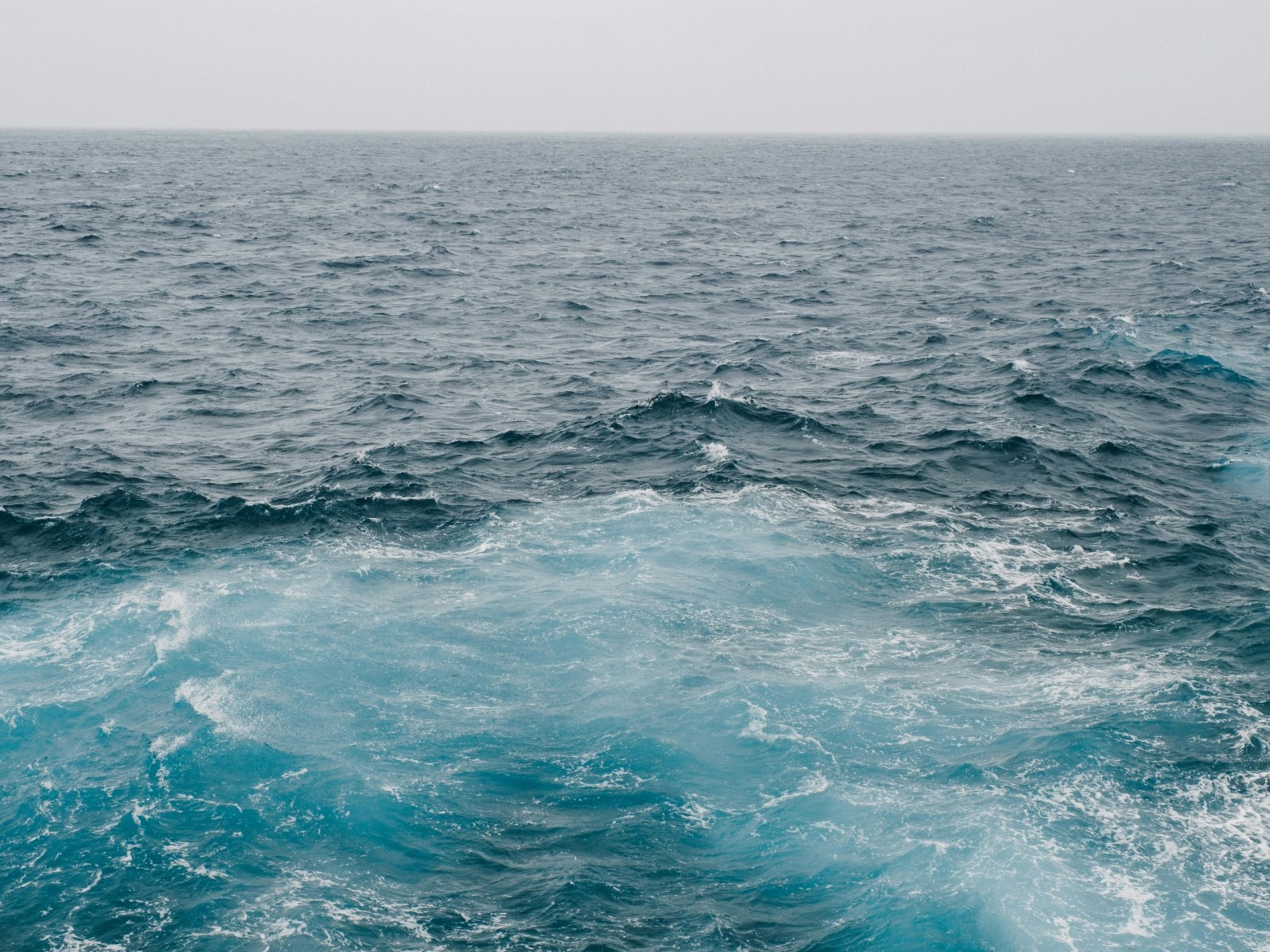
The Atlantic Ocean's current weakening has become one of the biggest climate concerns among scientists studying Earth's future. Researchers say the Atlantic Meridional Overturning Circulation, commonly known as the AMOC, appears to be slowing down, and the effects could eventually reach far beyond the ocean itself. The AMOC is a massive system of ocean currents that moves warm water from the tropics toward the North Atlantic while colder water sinks and travels southward deep underwater. This process helps regulate temperatures, rainfall, storms, and sea levels across different parts of the world.
Why Scientists Believe the AMOC Is Weakening
The Atlantic Ocean current weakening is closely connected to global warming. As temperatures rise, Greenland's ice sheet melts more rapidly, releasing huge amounts of freshwater into the North Atlantic.
That freshwater disrupts one of the key drivers behind the AMOC: the sinking of cold, salty water. Saltwater is denser and sinks more easily, helping power the circulation system. When too much freshwater enters the ocean, the process slows down. Scientists also point to several warning signs already appearing across the Atlantic:
- Unusual cooling areas in the North Atlantic
- Shifting rainfall patterns
- Changes in salinity levels
- Altered ocean heat distribution
- Weaker deep-water formation
According to researchers cited in ScienceDaily, ocean monitoring data collected over nearly two decades showed significant circulation changes that matched predictions from climate models. Another report published through The Guardian discussed how some newer climate simulations suggest the AMOC may be more vulnerable than scientists once believed. Several researchers warned that the risk of severe weakening is increasing as global temperatures continue climbing.
What Happens if the AMOC Keeps Slowing?
Scientists say climate change ocean circulation disruptions could affect weather systems across multiple continents. Although the effects would likely unfold gradually over many years, experts believe the impacts could become severe.
Stronger Storms and Weather Extremes
Changes in ocean circulation can influence atmospheric conditions. Researchers say Atlantic Ocean current weakening may contribute to:
- More intense hurricanes
- Longer drought periods
- Increased flooding
- Stronger winter storms
- Greater seasonal instability
Weather systems depend heavily on ocean temperatures, and even small changes in circulation can affect global climate patterns.
Rising Sea Levels Along Atlantic Coastlines
A weaker AMOC may also contribute to faster sea-level rise in some coastal regions.
Normally, the circulation system helps regulate ocean water distribution. When the system slows, water can accumulate near coastlines, increasing flood risks for major cities.
Scientists say this could worsen problems already linked to climate change and melting polar ice.
Colder European Winters Despite Global Warming
One of the more surprising effects of Atlantic Ocean current weakening involves Europe. The AMOC transports warm tropical water northward, helping maintain relatively mild temperatures in many European regions. If the circulation slows significantly, some areas could experience colder winters even as the planet overall continues warming.
Researchers say this does not cancel global warming. Instead, it reflects how climate change ocean circulation patterns can produce regional climate shifts.
Marine Ecosystems Could Face Major Stress
Ocean currents play an important role in distributing oxygen and nutrients throughout marine ecosystems.
Scientists warn that changes to the AMOC could:
- Shift fish migration routes
- Affect breeding patterns
- Reduce biodiversity
- Disrupt commercial fisheries
Marine species that rely on stable temperatures and nutrient flows may struggle to adapt if circulation patterns continue changing.
The Growing Concern Over an AMOC Collapse
The phrase "AMOC collapse" has attracted major attention in recent years. Scientists use the term to describe a near shutdown of the circulation system.
Most researchers do not believe a complete collapse is imminent, but many agree the risk has become more serious.
Climate records show Earth experienced major circulation shifts in the distant past. Those changes were linked to dramatic temperature swings and large environmental disruptions.
Some modern climate models now suggest the AMOC could weaken substantially by the end of the century if greenhouse gas emissions remain high.
Researchers from several climate institutions have emphasized that uncertainty still exists. Predicting ocean systems is extremely complex, and different models produce different timelines. However, scientists broadly agree that the direction of change is concerning.
Why the 'Cold Blob' Matters
One major clue scientists continue studying is a region in the North Atlantic often called the "cold blob." While much of the planet has warmed rapidly, this patch of ocean has remained cooler than the surrounding waters.
Researchers believe the cold blob may be linked to the weakening of the Atlantic Ocean current because less warm water is reaching the region through the AMOC. Studies published by climate researchers and covered through outlets like ScienceDaily and Nature have described the cold blob as one of the strongest indicators that ocean circulation patterns are changing.
How Climate Change Ocean Circulation Could Affect Daily Life
The AMOC may seem distant from everyday life, but scientists say its influence reaches across economies, agriculture, and infrastructure.
Potential long-term effects include:
- Food supply disruptions from changing rainfall patterns
- Higher insurance costs linked to floods and storms
- Increased pressure on power systems during temperature extremes
- Damage to fisheries and coastal industries
- Greater infrastructure risks in flood-prone regions
Experts say these changes are likely to occur gradually, but preparation and climate planning are becoming increasingly important.
Scientists Continue Monitoring the Atlantic Ocean
Climate researchers are using advanced technologies to track the weakening of the Atlantic Ocean current more closely than ever before.
Current monitoring efforts include:
- Satellite observations
- Underwater sensor arrays
- Deep ocean measurements
- Climate simulation models
According to oceanographers, understanding the AMOC remains one of the most important challenges in modern climate science.
Many researchers stress that reducing greenhouse gas emissions remains the clearest path toward limiting future climate disruption and reducing the chances of severe AMOC weakening.
Scientists Say the Atlantic Ocean Could Shape the Planet's Climate Future
The growing evidence of weakening in the Atlantic Ocean current has pushed the AMOC into the center of global climate discussions. While scientists continue debating how quickly changes may unfold, many agree the risks are significant enough to demand close attention.
From rising sea levels and stronger storms to ecosystem disruption and shifting weather patterns, the future of climate change ocean circulation may influence life around the world for generations.
Frequently Asked Questions
1. What is the AMOC?
The AMOC, or Atlantic Meridional Overturning Circulation, is a large system of Atlantic Ocean currents that moves warm and cold water around the planet and helps regulate Earth's climate.
2. Why is the Atlantic Ocean currently weakening?
Scientists believe global warming, melting Greenland ice, and increased freshwater entering the Atlantic are disrupting the circulation process that powers the AMOC.
3. Could the AMOC collapse completely?
Some climate models suggest a major slowdown or partial collapse is possible in the future, although scientists are still debating the exact likelihood and timeline.
4. How would the AMOC collapse affect the world?
Researchers say a severe slowdown could influence weather patterns, sea levels, storms, agriculture, and marine ecosystems across multiple continents.
© 2026 NatureWorldNews.com All rights reserved. Do not reproduce without permission.


