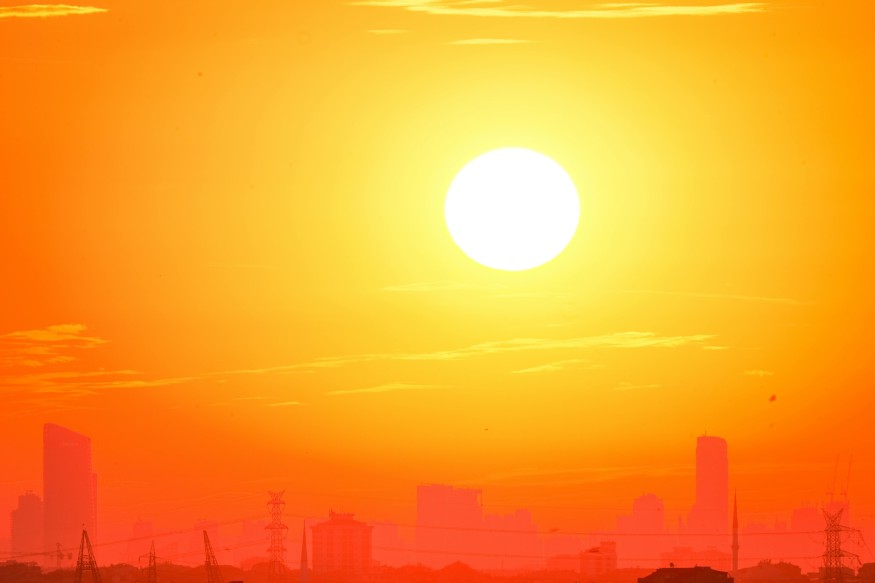
Sweltering air blanketed cities across Europe, Asia, and North America in early 2026, with thermometers climbing past 42°C (108°F) in places like Madrid and Delhi, triggering widespread red alerts and school closures. These prolonged blasts signal rising temperatures 2026, driven by global warming effects that load the atmosphere with excess heat from decades of emissions. From parched fields and dying reefs to overwhelmed hospitals and strained power grids, the fallout underscores a deepening climate shift.
What Causes Heatwaves—and Why 2026 Feels Different
Heatwaves brew when persistent high-pressure ridges lock in warm air masses, stifling cooler breezes and allowing surface temperatures to soar unchecked for days or weeks. Urban environments worldwide amplify this "urban heat island" effect dramatically; dense concrete jungles, traffic exhaust, and minimal green space can jack up local readings by 5-8°C compared to nearby rural areas, turning sidewalks into griddles after dark.
However, global warming effects elevate these natural patterns into unprecedented monsters. Oceans, which have absorbed roughly 91% of excess heat from human-induced emissions since the 1970s, now act as massive reservoirs that release stored warmth precisely when summer peaks hit. Early 2026 weather bulletins documented heatwaves stretching 50% longer than 20th-century averages—some lasting three weeks straight—directly fueled by this oceanic amplification.
Climate models from the IPCC paint a clear picture: Every incremental 0.1°C rise in global averages stacks the odds for extremes, making "once-in-a-century" events commonplace. Disrupted jet streams, wavier and slower due to twice-as-fast Arctic warming, stall these high-pressure systems over continents, creating vast "heat domes." For instance, a March 2026 event over the U.S. Midwest mirrored Europe's deadly 2022 spell but burned hotter. Statistics show tropical and subtropical heat events have tripled in frequency since 2000, slamming agriculture, water supplies, and urban infrastructure with relentless force.
Heatwave Impacts and Climate Crisis Health Risks Explained
The heatwave impacts of 2026 extend far beyond discomfort, rippling through ecosystems, economies, and human societies in compounding ways. Wildfires ignite and spread with ferocious speed; Australia's ongoing 2026 blazes, already rivaling the 2019-2020 Black Summer in scale, burn hotter thanks to drier fuels and windier conditions. Crops bear heavy losses too—wheat fields across North America's Great Plains and Europe's breadbasket regions wilted under sustained 40°C spells, slashing yields by 15-20% according to USDA and EU farm reports, which threaten food prices worldwide.
Economies stagger under the weight. Surging air conditioning demands overload electrical grids, causing rolling blackouts from California to India; Europe's 2025 heatwave alone tallied €90 billion in direct losses from lost productivity, crop failures, and emergency responses. NOAA's 2026 projections forecast global damages exceeding $200 billion, exacerbated by disrupted shipping lanes and tourism shutdowns in Mediterranean hotspots.
Health systems face the sharpest climate crisis and health risks, with heat emerging as a silent killer. Core threats break down like this:
- Acute dangers: Heatstroke overwhelms the body's cooling via rapid organ shutdown when core temperatures exceed 40°C; dehydration thickens blood, spiking heart attack risks by 30%.
- Chronic effects: Ground-level ozone surges in hot, stagnant air, worsening asthma and COPD; prolonged kidney strain hits diabetics hardest in humid zones.
- Vulnerable stats: Seniors over 65 and outdoor laborers see 40-50% higher hospitalization rates, per hospital data; WHO tallies 450,000 global heat-linked deaths in 2025, with 2026 on track for 500,000+ amid aging populations.
Mental health suffers quietly. Nighttime temperatures rarely dipping below 28°C disrupt deep sleep cycles, breeding chronic fatigue, irritability, and heightened anxiety—studies link this to a 20% uptick in heat-related mental health calls. Indirect heatwave impacts compound the crisis: Coral reefs bleached to 60% mortality in Pacific and Indian Ocean surveys, collapsing fisheries; rural-to-urban migration surges as farmland turns unlivable, straining megacity resources.
Read Also: Amazon Deforestation Impact: Carbon Loss, Biodiversity Crisis – Slash-and-Burn to Reforestation
Steps to Tackle Rising Temperatures 2026
Effective preparation weaves personal vigilance with community infrastructure and bold policy moves. NOAA data proves early action slashes mortality by 80%; here's a numbered guide to proven strategies:
- Monitor and plan daily: Tune into national heat index apps or services—limit outdoor activity from 10 a.m.-4 p.m., aim for 3-4 liters of water intake, and eat light, hydrating foods like fruits.
- Cool your immediate space: Dampen skin with cool cloths, position fans over ice bowls for evaporative chill; invest in energy-efficient AC or reflective window films to cut indoor heat gain.
- Build community resilience: Advocate for neighborhood shade trees, public splash pads, and designated cooling centers in libraries or malls; volunteer for grid-support programs during peaks.
Scaling up, green urban retrofits directly counter global warming effects. Strategic tree canopies and "cool roofs" lower street-level heat by 3-5°C, as seen in trials across Singapore and Los Angeles. Renewables deliver reliability—rooftop solar endured India's punishing 2025 blackouts, powering essentials when fossil grids failed.
Policy levers accelerate change: Aggressive emission cuts through reforestation, electric vehicle mandates, and carbon pricing. The IPCC warns that halving CO2 output by 2030 could slash rising temperatures 2026-style risks by half, buying decades of stability. Tech aids too—Google DeepMind's AI now forecasts heat domes 10-14 days in advance with 90% accuracy, enabling timely evacuations and resource shifts.
Everyday actions add up. Opt for biking or public transit over cars, reduce red meat to curb methane, and support local clean energy initiatives. These layered defenses turn vulnerability into adaptability.
Casual nod to sources here: IPCC's latest AR6 report lays out the emission-heat link plainly. NOAA's climate dashboards track global rising temperatures 2026 shifts. WHO's heat-health trackers highlight death trends.
Building Resilience Against 2026 Heat Extremes
As rising temperatures 2026 rewrite weather norms, heatwave impacts and climate crisis health risks spotlight the path ahead. Cutting emissions halves the odds of worst-case extremes, per mounting data. Cities from Sydney to Stockholm pioneer adaptive measures like urban forests and smart alerts, proving resilience works. Track reliable weather services, trim your carbon footprint, and back green policies—these steps fortify against the heat's growing reach.
Frequently Asked Questions
1. What causes heatwaves to worsen in 2026?
High-pressure systems trap heat naturally, but global warming effects make them longer and hotter by raising baseline temperatures. Oceans release stored heat from emissions, and disrupted jet streams stall weather patterns—IPCC models show events now last 50% longer.
2. How does climate change intensify heatwaves?
rising temperatures 2026 stem from a 1.2°C global rise since pre-industrial times, making extremes 5x more likely. Arctic warming slows winds, creating mega-heat domes over continents like Europe and North America.
3. What are the main heatwave impacts?
Heatwave impacts include crop losses (e.g., 15-20% wheat yield drops), wildfires (Australia's 2026 blazes), blackouts, and $70B+ global economic hits. Ecosystems suffer coral bleaching and migration surges.
© 2026 NatureWorldNews.com All rights reserved. Do not reproduce without permission.


