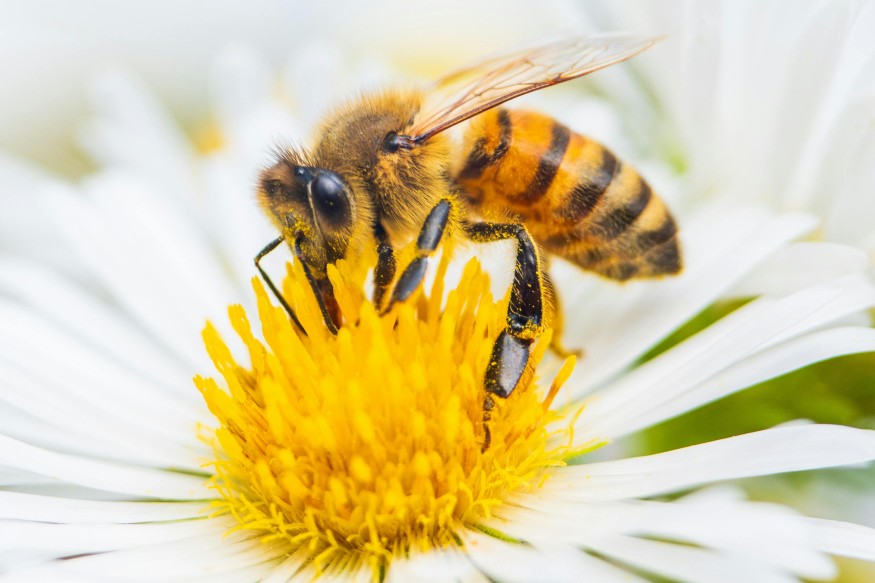
Pollinators like bees and butterflies keep ecosystems humming by fertilizing plants that feed the world. Insect pollinator decline has turned heads as populations crash from familiar pressures like habitat loss. This piece dives into the stakes, root causes, fixes through bee conservation, and everyday actions to stem pollinator decline.
Why Pollinators Anchor Ecosystems
Bees and butterflies transfer pollen from flower to flower, sparking fruit and seed growth in one-third of crops humans rely on. Apples, berries, coffee beans, and almonds all trace their bounty back to these tiny workers. Without steady pollination, wildflowers fade, birds and small mammals lose food sources, and food prices climb as yields falter across orchards and fields.
Their roles split along clear lines—bees tackle broad crops with speed and precision, buzzing from bloom to bloom in efficient patterns. Butterflies, meanwhile, favor specific native plants that stabilize soils, prevent erosion, and support stream health. A world without them risks barren fields, collapsing food webs, and weaker biodiversity overall. Studies from groups like the Xerces Society highlight how pollinator decline already shrinks harvests in key regions, from California almond groves to Midwest prairies.
Butterfly wings catch eyes in summer meadows, but their decline signals deeper insect pollinator decline. Monarchs, for instance, have vanished from the skies by 80% in recent migrations, tugging at interconnected food webs that include everything from caterpillars to songbirds. Bees face similar squeezes, with commercial hives demanding constant replacement to keep pace with losses. These insects don't just pollinate; they underpin economies tied to nature, generating hundreds of billions in annual value through healthier crops and resilient landscapes.
Drivers Behind Insect Pollinator Decline
Habitat loss leads the charge as cities sprawl and farms expand, bulldozing nesting spots and nectar-rich patches. Wide-open fields turn to parking lots and subdivisions, leaving bees scrambling for pollen miles away from shrunken green spaces. Add pesticides that seep into soil and water systems, frying insect nerves and triggering breeding failures, and the math gets grim fast.
Climate quirks shift flower blooms out of sync with insect life cycles—bees emerge too early to barren blossoms, or butterflies miss peak nectar flows. Diseases like Varroa mites latch onto bees, sucking blood and spreading viruses that topple entire hives in waves. Wikipedia's detailed rundown on pollinator decline pins these threats squarely on human footprints, from vast monocrops to increasingly erratic harsh winters.
Butterflies suffer uniquely, with host plants like milkweed razed for soy and corn fields. A single large-scale farm conversion can wipe out specialized feeders, turning once-vibrant fields eerily silent. Parasites, poor nutrition from limited forage, and even light pollution disrupt nocturnal moths related to butterflies. These factors compound, creating a perfect storm where insect pollinator decline accelerates year over year.
Here's a breakdown of top threats:
- Habitat loss: Erases up to 90% of forage in urban edges, stranding isolated populations.
- Pesticides: Neonics linger in pollen and water, cutting bee lifespans by half or more.
- Pathogens: Mites spread deadly viruses, collapsing 40% of U.S. hives in peak loss years.
- Climate change: Mismatches bloom times with insect emergence, starving larvae mid-season.
- Invasive species: Non-native plants crowd out nectar sources, starving local specialists.
These stack relentlessly, hitting butterflies harder in fragmented zones where shrinking gene pools lead to inbreeding and frailty.
Habitat Loss: A Core Pollination Killer
Developers pave over meadows for new homes and strip malls, slicing bee flight paths and butterfly migration trails into disjointed remnants. Farms plow under clover patches and milkweed stands, starving specialists overnight and forcing survivors into suboptimal urban fringes. Research from conservation corridors shows these networks unravel quickly—plants receive fewer visits, seed production plummets, and entire plant communities shift.
In the U.S. alone, around 5,000 acres vanish daily to urban sprawl, according to federal land-use tallies. Pollinators thrive in connected patches of habitat; isolated pockets breed weak, low-diversity offspring prone to disease. CABI Reviews spell out how this habitat loss guts pollination services worth billions, pushing farmers in parts of Asia toward labor-intensive hand-pollination just to set fruit.
Butterflies like fritillaries cling to ever-shrinking prairies, their numbers tanking as habitat edges erode under machinery. Bees burrow less successfully in repeatedly tilled soil, shifting to risky suburban lawns treated with chemicals. Roads act as barriers too, with vehicles claiming countless insects during flights. Streams dry up or fill with silt, wiping out aquatic stages for some species.
Recovery starts with simple, scalable buffers:
- Plant wildflower strips along field edges to bridge habitat gaps and extend forage ranges.
- Leave roadside verges unmowed through summer for steady nectar flows.
- Restore wetlands and fens, which serve as prime nurseries for butterflies and solitary bees.
- Create green roofs on city buildings to mimic lost meadows high above concrete.
These tweaks have lifted pollinator visits by 30-50% in field trials, easing pollinator decline pressure without overhauling entire landscapes.
Bee Conservation Tactics That Work
Bee conservation ramps up worldwide with seed bombs dropped over barren lots, rooftop gardens bursting with blooms, and policy nudges that reward sustainable farming. Farmers seed field edges with buckwheat and phacelia, drawing bees back to orchards and boosting yields naturally. Cities ban neonics and other persistent pesticides, watching managed hives rebound within seasons.
The Bee Conservancy outlines 10 smart, actionable moves, from installing bee hotels for solitary species to sowing cover crops that feed insects year-round. Governments stockpile native seeds, air-dropping them via drones over degraded public lands. Research programs breed tougher bee strains that resist mites and tolerate variable weather, releasing them into wild populations.
Butterfly efforts parallel this—milkweed highways guide monarchs on migrations, while community plots overflow with echinacea and asters, pulling in diverse fliers. Schools and parks host "no-mow May" campaigns, letting lawns go wild to provide early-season nectar.
Key strategies that deliver results:
- Native plantings: Lavender, goldenrod, and sunflowers fuel year-round feasts tailored to local insects.
- Pesticide swaps: Biological controls like Bt target pests precisely, sparing beneficial pollinators.
- Habitat links: Purpose-built corridors double survival odds by reconnecting fragments.
- Citizen monitoring: Apps like iNaturalist track trends in real time, directing funds to hot spots.
- Policy incentives: Subsidies for flower-rich buffers encourage farmers to prioritize bee conservation.
Programs like these stabilize 20-40% of local populations where fully applied, proving scalable wins against insect pollinator decline.
Ways to Fight Pollinator Decline at Home
Homeowners transform yards into havens, dodging habitat loss one plot at a time. Skip sterile grass monocultures for diverse pollinator mixes—salvias, bee balm, and veronica hum with activity all season. Ditch broad-spectrum sprays; homemade soap solutions or ladybugs handle aphids gently without collateral damage.
Schools raise mason bees in simple wooden kits, teaching kids the stakes while populating playgrounds with buzz. Markets stock seed packets labeled for bee conservation, flying off shelves as awareness grows. Neighborhoods coordinate "pollinator parties" to swap plants and share tips.
- Add milkweed varieties: Boost monarch breeding with visible results in one season.
- Build bee baths: Provide shallow water with pebbles for ground-nesters; effects kick in immediately.
- Go chemical-free: Ends poison exposure within weeks, letting survivors thrive.
- Sow cover crops: Ensures winter food security, with blooms ready by next spring.
- Install nesting blocks: Shelter for leafcutter and mason bees, increasing local numbers fast.
Farmers rotate fields thoughtfully, weaving in legumes like clover that feed pollinators while fixing nitrogen in soil. These steps scale effortlessly—neighborhoods link private gardens into city-wide networks, amplifying impact. Even balconies count, with window boxes of marigolds drawing in urban butterflies.
Safeguard Pollinators for Tomorrow's Harvests
Insect pollinator decline tests ecosystem resilience, but bee conservation paired with smart land use turns the tide in proven ways. Fields rebound vibrantly where habitat loss eases, with bees and butterflies reclaiming skies over restored prairies and orchards. Frontline efforts, from PubMed studies detailing pollination gaps to grassroots community plots, prove dedicated change sticks for the long haul.
Frequently Asked Questions
1. What Are Pollinators?
Pollinators include bees, butterflies, moths, birds, bats, and beetles that move pollen between flowers to enable plant reproduction. Over 4,000 native bee species thrive in the U.S. alone, with honey bees introduced later. Butterflies target specific natives, while bees handle broad crops.
2. Why Are Pollinators Declining?
Pollinator decline stems from habitat loss, pesticides, diseases like Varroa mites, parasites, invasive species, and climate shifts. Habitat destruction erases forage and nests; in 2015, U.S. honey bee colonies dropped over 40%. Monarch butterflies and bumblebees risk extinction without native plant restoration.
3. How Does Habitat Loss Affect Pollinators?
Habitat loss fragments landscapes, cutting nectar sources by up to 90% in urban edges and starving specialists like fritillary butterflies. Farms replace wildflowers with monocrops, isolating populations and weakening gene pools. This disrupts plant-pollinator networks essential for seeds and fruits.
© 2026 NatureWorldNews.com All rights reserved. Do not reproduce without permission.


