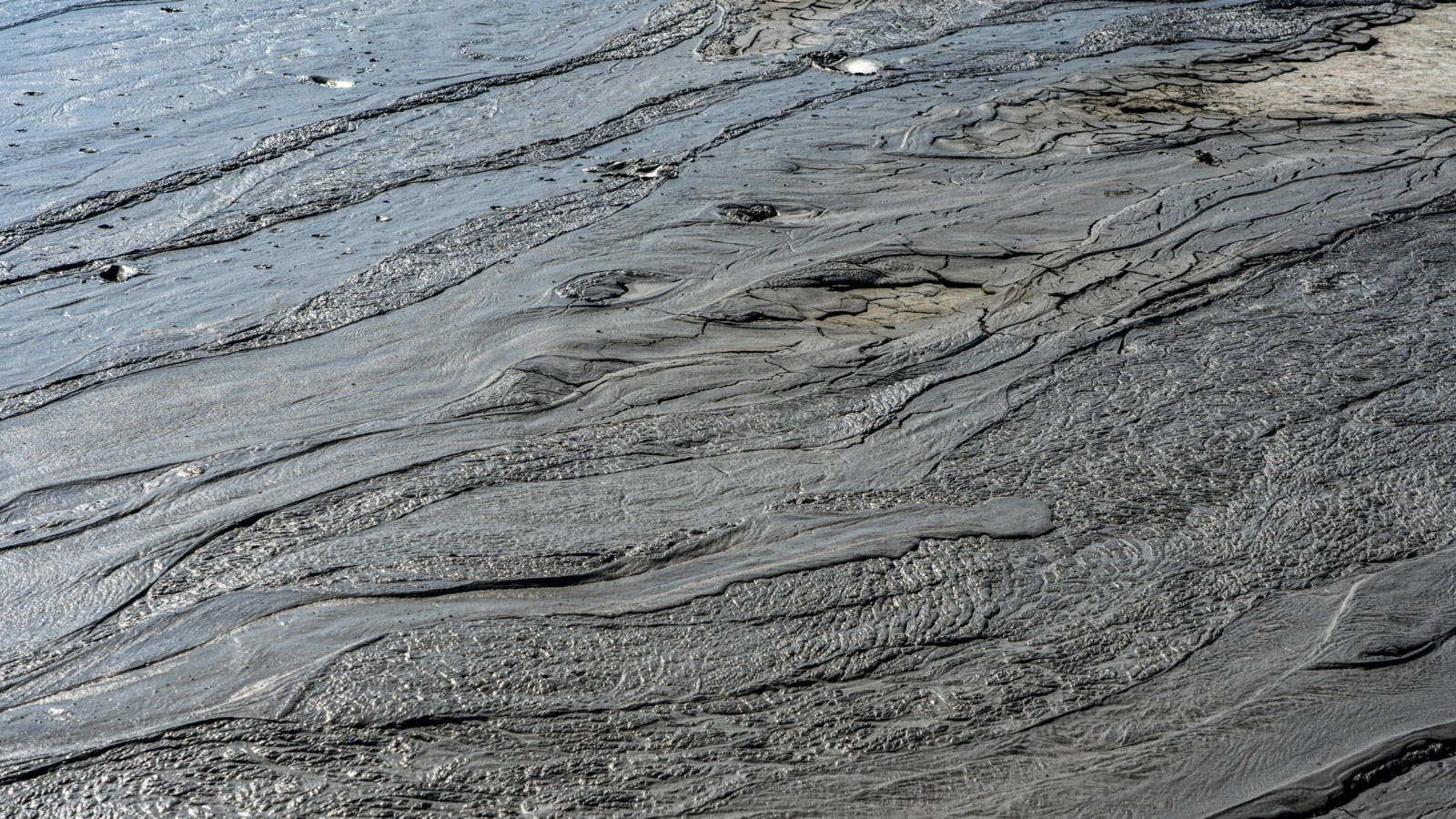
Mudflows strike without much warning, devastating communities in hilly or volcanic regions through rapid surges of water, soil, and rock.
Unpacking Mudslide Trigger Factors
Mudslide trigger factors often start with nature's heavy hitters, like prolonged storms or seismic shakes, but human actions play a big role too. Steep slopes lose stability when soil saturates, especially if vegetation is thin or removed for development. Loose materials from erosion or wildfires sit ready to move, waiting for that push.
Rainfall intensity tops the list as a key activator. When downpours dump 50 millimeters or more per hour, water can't soak in fast enough—runoff builds, eroding channels that pull entire hillsides loose. Volcanic zones add another layer, where ash mixes with rain to form thick pastes that race downhill.
- Common mudslide trigger factors include:
- Intense, short bursts of rain overwhelming soil drainage.
- Earthquakes jarring saturated ground into motion.
- Human grading that steepens slopes beyond natural limits.
Experts from the Colorado Geological Surveynote how post-wildfire landscapes amplify these risks, as bare earth invites faster flows. Without roots to grip, even moderate rainfall intensity turns soil into slurry.
Lahar Flows and Debris Mudflows Explained
Lahar flows earn their name from Indonesian roots, describing hot or cold slurries of volcanic debris and water. Eruptions melt snow or dislodge ash, but rain alone can remobilize old deposits miles from craters. These flows hug river valleys, picking up trees and boulders along the way, and hit speeds of 60 kilometers per hour.
Debris mudflows differ slightly, packing more soil and organic matter from eroded hillsides or construction scars. They surge after fires strip protective layers, carrying houses off foundations in seconds. Both types share a gray, cement-like look when dry, burying roads under meters of sediment.
Rainfall intensity dictates their start—thresholds vary by region, but volcanic soils hit critical saturation quicker due to low permeability. Picture a sponge filled with grit: once full, it squeezes out under gravity.
Wikipedia's entry on mudflows breaks down how these differ from slower landslides, emphasizing their fluid speed and reach. Communities near Mount St. Helens learned this harshly in 1985, when rains triggered massive lahars years after the eruption.
Monitoring Rainfall Intensity for Safety
Rainfall intensity isn't just about total volume; it's the rate that spells danger. Gauges track hourly falls, feeding models that flag when slopes near failure. In places like Japan, thresholds trigger evacuations at 75 millimeters per hour on vulnerable terrain.
Early warning setups pair these with seismic sensors and tiltmeters, spotting ground shifts before eyes do. Apps ping phones, sirens wail, and barriers deploy—buying hours to flee. The CTC-N climate tech network highlights systems in Italy that cut casualties by alerting on rising rainfall intensity alone.
Vegetation cover steps in as a passive shield. Roots from deep-tap plants like alders or vetiver grass knit soil together, slowing water and trapping fines. Studies show revegetated slopes resist 40-60% more flow volume during peaks.
Numbered steps for building natural defenses:
- Assess site soil and past mudslide trigger factors.
- Plant mixed natives in contour patterns to maximize root density.
- Mulch heavily post-planting to curb initial erosion from rainfall intensity.
Grading and Engineering to Curb Flows
Grading reshapes land to shed water safely, channeling it via swales and berms away from buildings. Done right, it lowers angles to under 30 degrees, starving mudslide trigger factors of momentum. Poor jobs, though—like overcutting toes—create unstable benches that fail first.
Retaining walls of stacked bags or concrete catch early debris, while check dams in gullies slow lahars mid-run. Pair this with vegetation cover for hybrid strength: roots handle shear, structures take impacts.
TrapBag's solutions page details how flexible barriers flex under debris mudflows without cracking, outperforming rigid ones in real tests. Costs run lower too, making them practical for at-risk neighborhoods.
- Prevention layers against mudslide trigger factors:
- Vegetation cover absorbs and slows runoff from rainfall intensity, offering high resistance to debris mudflows over 1-5 years.
- Slope grading improves drainage paths, providing high control for lahar flows in 1-6 months.
- Early warnings use real-time thresholds for high effectiveness against both lahar flows and debris mudflows, ready in weeks.
- Barriers and retention catch peak surges, delivering high resistance to both flow types in days.
Everyday Actions in High-Risk Zones
Residents spot early signs: cracked roads, tilted trees, or muddy springs signal saturation. Stock go-bags with boots, maps, and radios—lahar flows give little retreat time. Local maps mark debris mudflow paths from past events, guiding builds away.
Governments map zones using rainfall intensity data and satellite imagery, zoning out dense housing. Insurance firms like those in California push discounts for graded lots with vegetation cover.
- Quick homeowner tips:
- Clear gutters and downsides before storms to cut local runoff.
- Avoid riverbanks post-eruption; lahars follow old paths.
- Join community drills for early warning response.
Questions Around Mudflow Risks
What sets off most mudslides? Rainfall intensity spikes on steep, bare slopes, per geological reports. How fast do lahar flows move? Up to highway speeds, carving new channels. Can you outrun debris mudflows? Rarely—head perpendicular to flow paths instead.
Building Resilience to Mudslide Trigger Factors
Early warnings, smart grading, and thick vegetation cover turn mudslide trigger factors from inevitable to manageable, even under brutal rainfall intensity. Lahar flows and debris mudflows hit hard, but layered strategies keep losses low—track forecasts, reinforce slopes, and stay vigilant for safer seasons ahead.
Frequently Asked Questions
1. What causes mudflows most often?
Rainfall intensity saturates slopes, especially on steep or bare terrain, triggering mudslide trigger factors like soil saturation and erosion.
2. How fast do lahar flows move?
Lahar flows reach speeds up to 60 km/h, behaving like wet concrete as they carry volcanic debris down valleys.
3. Can you outrun debris mudflows?
No—debris mudflows move too quickly; move perpendicular to their path and head to higher ground instead.
4. What role does vegetation play in prevention?
Vegetation cover anchors soil with roots, reducing runoff from rainfall intensity and cutting debris mudflow risks.
© 2026 NatureWorldNews.com All rights reserved. Do not reproduce without permission.


