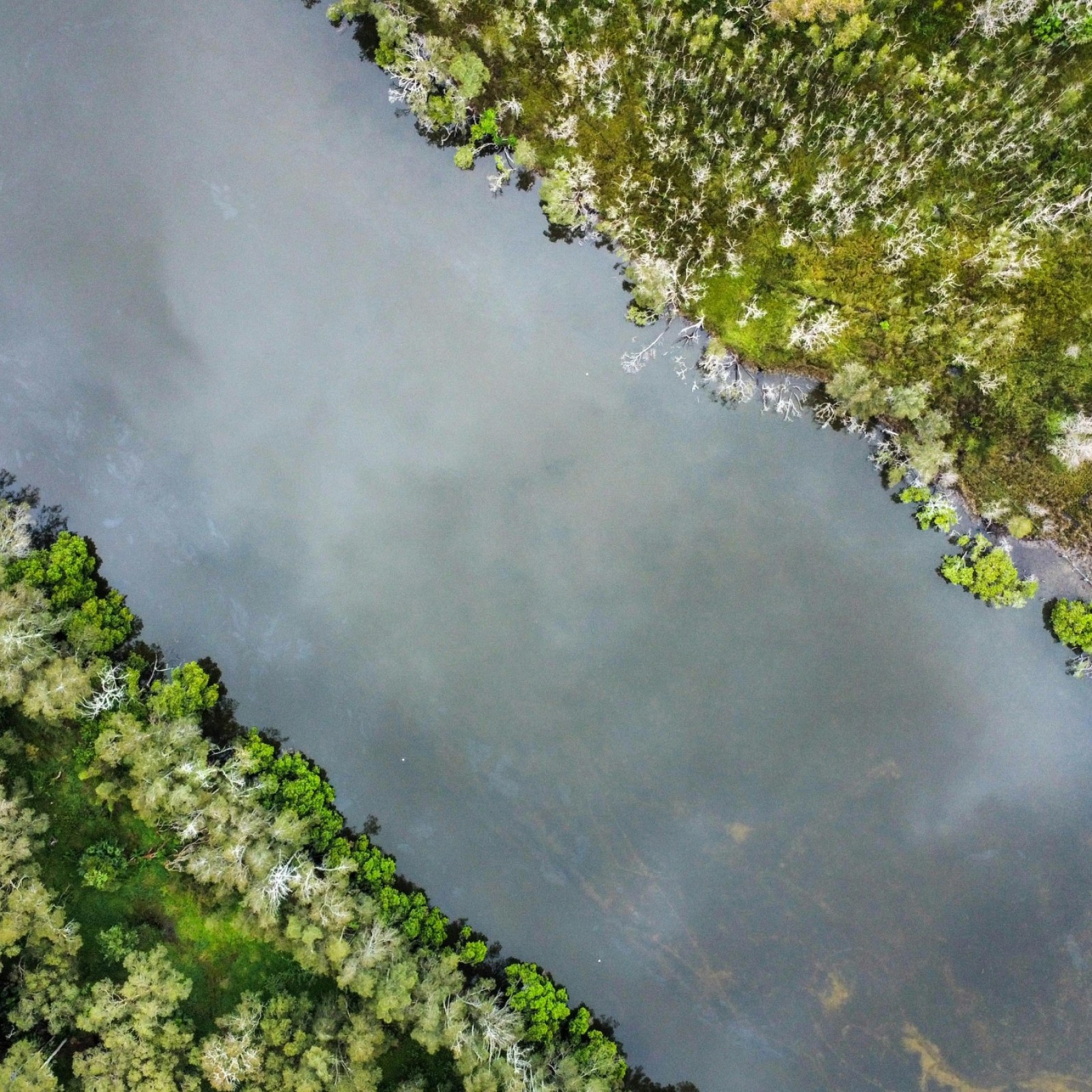
Biodiversity hotspots pack extraordinary concentrations of unique life forms into shrinking spaces. These irreplaceable zones, like the Madagascar rainforests and Cape Floristic Region, shelter EDGE species that evolution crafted over millions of years. Habitat conservation here fights back against rapid losses, preserving entire ecosystems for the planet's health.
What Makes Biodiversity Hotspots Critical?
Biodiversity hotspots earn their name through strict criteria: at least 1,500 vascular plant species found nowhere else, plus over 70% loss of original habitat. Norman Myers first mapped 25 such areas in 1988; today, experts recognize around 36 covering just 2.4% of Earth's land. Yet they host half the world's plant species and 42% of vertebrates, making them vital for medicine, food security, and ecological balance.
Endemic species dominate these hotspots—creatures like lemurs in Madagascar rainforests or proteas in the Cape Floristic Region exist only locally. Threats mount fast: agriculture claims vast tracts, logging feeds global timber demands, and climate shifts disrupt wet-dry cycles. Without action, scientists warn of a sixth mass extinction, with hotspots as ground zero.
Researchers at Conservation International have tracked these patterns for decades, showing how hotspots like Madagascar lose forest at twice the global rate. Protecting them isn't optional; it underpins human survival too, from pollination services to carbon storage.
EDGE Species: Prioritizing Evolution's Oddities
EDGE species, or Evolutionarily Distinct and Globally Endangered, blend rarity with deep evolutionary roots. The Zoological Society of London (ZSL) developed this metric: it scores species on extinction risk plus "evolutionary distinctiveness"—how alone they stand on the tree of life. A bizarre aye-aye lemur from Madagascar rainforests tops lists; its gliding membrane and long finger set it apart from all other mammals.
Why focus here? Saving an EDGE species preserves millions of years of unique adaptations, not just one animal. In biodiversity hotspots, these species cluster, amplifying impact. Take the riverine rabbit in the Cape Floristic Region: critically endangered, it represents an ancient bunny lineage facing habitat fragmentation.
Conservationists deploy targeted expeditions—think ZSL's EDGE program, which has launched over 50 projects worldwide. Casual mentions in field reports highlight successes, like aye-aye population boosts through nest box programs. These efforts stretch limited funds further than broad-strokes approaches.
- EDGE traits:
- High IUCN Red List threat level.
- Long branches on phylogenetic trees.
- Often overlooked "weirdos" like aardvarks or solenodons.
Inside Madagascar Rainforests: A Hotspot Under Siege
Madagascar rainforests claim superstar status among biodiversity hotspots, with 90-95% endemism across vertebrates, plants, and invertebrates. Spanning eastern slopes, these forests shelter 12 lemur families, tenrecs mimicking hedgehogs, and 300+ chameleon species. Baobab groves and fossa predators add iconic flair, but slash-and-burn "tavy" farming razes 200,000 hectares yearly.
Habitat loss fragments corridors, trapping EDGE species like the silky sifaka lemur in shrinking patches. Mining for sapphires and nickel scars the north, while cyclones—intensified by warming oceans—wash away soil. Local communities, pressured by poverty, turn to forests for rice fields and fuelwood.
Bright spots emerge:
- Community-led patrols in Ranomafana National Park deter loggers, restoring 10,000+ hectares.
- Reforestation has planted 20 million trees since 2008, linking fragments for EDGE species movement.
- Eco-tourism generates jobs, cutting poaching by 40% in key zones.
A UNESCO report notes Madagascar's protected areas now cover 7% of land, up from 3% two decades ago, blending indigenous knowledge with science.
Madagascar rainforests reveal nature's fragility, where one tree planted revives pathways for endemic life.
Cape Floristic Region: Fynbos Diversity at Risk
South Africa's Cape Floristic Region dazzles with 9,000 plant species in a compact 90,000 square kilometers—69% endemic. Fynbos shrublands dominate: fiery proteas, restios like reeds, and ericas outnumber European species threefold. This biodiversity hotspot hugs the southwestern coast, where winter rains and summer fires sculpt adaptations.
EDGE species thrive amid diversity: the geometric tortoise burrows in renosterveld soils, while Cape sugarbirds pollinate proteas. Urban sprawl from Cape Town engulfs edges, invasives like pines suck water, and overgrazing by goats erodes banks. Climate models predict 50% fynbos loss by 2050 from drier conditions.
Success stories inspire:
- Working for Water clears 1 million hectares of aliens since 1995, freeing rivers for rabbits.
- Fire regimes mimic nature—every 10-15 years—to trigger seed germination.
- Botanical gardens bank seeds from 80% of species, a genetic ark.
The Protea Atlas project, run by local scientists, maps distributions in real time, guiding land buys. As one study from the South African National Biodiversity Institute shares, these steps stabilized 20 rare plants.
Tackling Threats and Building Solutions
Biodiversity hotspots share foes: fragmentation isolates genes, invasives outcompete natives, and poaching empties nests. In Madagascar rainforests, bushmeat trade hits lemurs; Cape Floristic Region loses to quarry blasts. Global trade in exotics worsens.
Strategies scale locally to global:
- Protected areas expansion: Aim for 30% coverage by 2030 per Kunming-Montreal Framework.
- Payment for ecosystems: Farmers earn for forest stewardship.
- Tech aids: Drones monitor logging, AI predicts fire risks.
- Community buy-in: Training locals as rangers cuts conflicts.
Numbered steps for effective conservation:
- Map EDGE species via camera traps.
- Restore corridors with native plantings.
- Enforce laws through satellite oversight.
- Educate via school programs on biodiversity hotspots value.
WWF'sliving planet reports underscore gains—some hotspots rebounded 15% in intact habitat since 2010.
Action Steps for Biodiversity Hotspots Today
Biodiversity hotspots demand collective push, from Madagascar rainforests patrols to Cape Floristic Region seed banks. EDGE species remind us: every branch saved echoes through time. Supporting certified sustainable goods sidesteps habitat-wrecking supply chains—think rainforest alliance labels.
Visit responsibly: low-impact tours fund guards. Advocate for policies tying aid to conservation. Apps like iNaturalist let anyone log sightings, feeding data to experts.
Essential Strategies for Endemic Species Survival
Hands-on work in biodiversity hotspots delivers wins, from Madagascar rainforests tree armies to Cape Floristic Region invasive battles. EDGE species rebound where habitats reconnect, proving targeted protection works. Momentum builds as communities lead, securing these jewels amid global change.
Frequently Asked Questions
1. What are biodiversity hotspots?
Biodiversity hotspots are regions with exceptional concentrations of endemic species, defined by at least 1,500 unique vascular plants and over 70% habitat loss. They cover just 2.4% of Earth's land but hold over 50% of plant species and 42% of vertebrates, making them critical for global ecology.
2. Why are EDGE species important in biodiversity hotspots?
EDGE species (Evolutionarily Distinct and Globally Endangered) represent unique evolutionary branches at high extinction risk. Protecting them in areas like Madagascar rainforests preserves irreplaceable history—species like the aye-aye lemur score high due to few close relatives.
3. What threatens Madagascar rainforests?
Madagascar rainforests lose over 200,000 hectares yearly to slash-and-burn farming, logging, and mining. These activities fragment habitats for EDGE species like lemurs and tenrecs, worsened by poverty-driven charcoal production.
© 2026 NatureWorldNews.com All rights reserved. Do not reproduce without permission.


