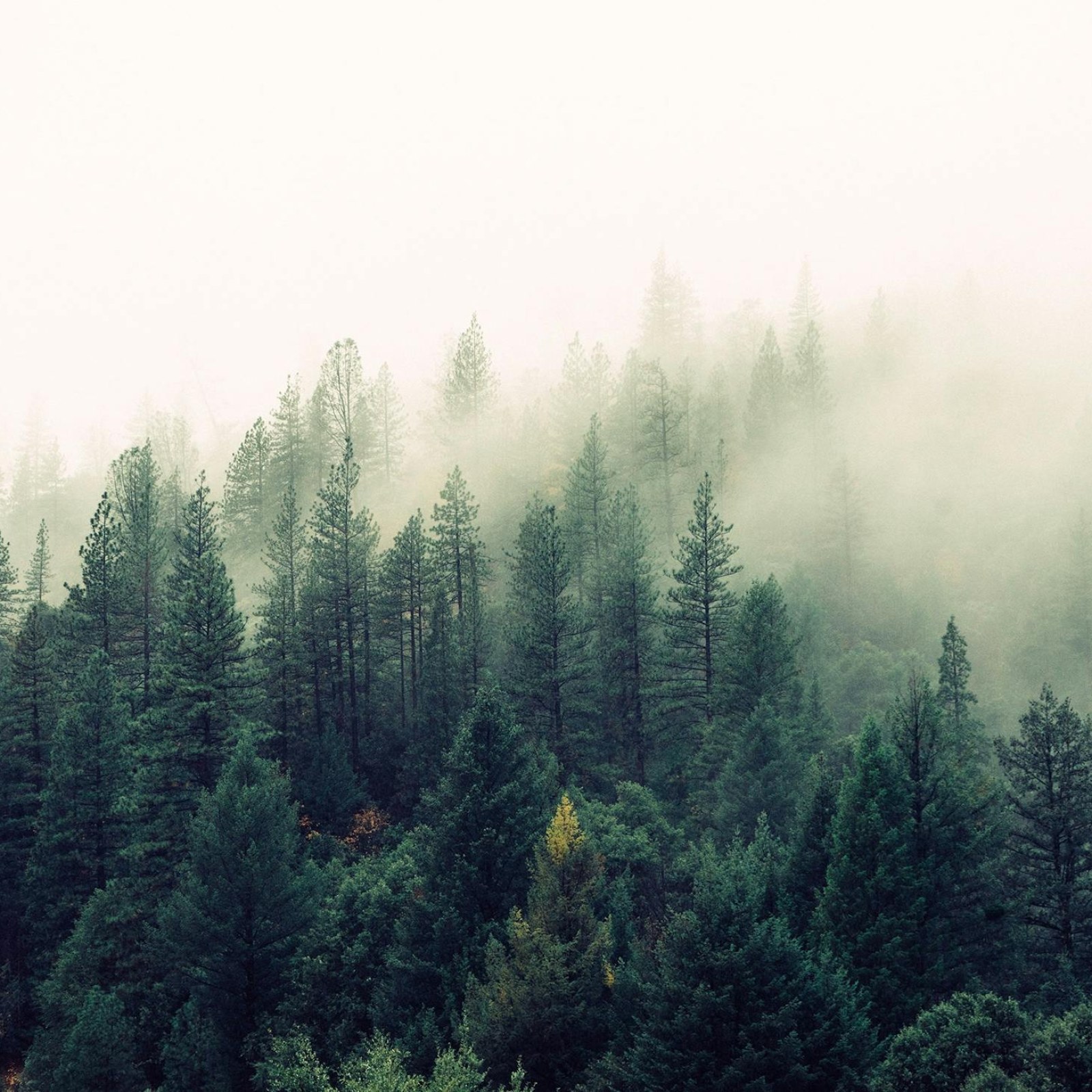
Biodiversity loss effects threaten the delicate balance of life on Earth, pushing ecosystems toward collapse. From disrupted food chains to climate chaos, these changes impact every corner of the planet, including human societies that depend on nature's stability.
Understanding Biodiversity Loss
Biodiversity represents the vast array of life forms, from tiny insects in soil to towering rainforest trees. It includes genetic variations within species and the complex interactions that form habitats. When this diversity erodes, entire systems weaken, unable to adapt to stresses like disease or drought.
Human activities accelerate the decline at alarming rates. Forests fall to make way for crops and cities, fragmenting landscapes where animals once roamed freely. Pollution seeps into rivers and soils, poisoning microbes essential for nutrient cycling. Climate shifts force species to migrate or perish, outpacing evolutionary timelines. Reports from organizations like the World Wildlife Fund highlight how over a million species now teeter on extinction's edge, a rate far beyond natural baselines.
These losses compound over time. A single missing pollinator might seem minor, but when bees and butterflies vanish en masse, fruit orchards yield less, and wild plants fail to seed future generations. Genetic diversity shrinks too, leaving surviving populations vulnerable to pests or environmental swings. In marine realms, overfished stocks collapse fisheries, rippling through coastal economies dependent on steady hauls.
Primary Drivers Behind the Decline
Habitat destruction leads the charge, with agriculture claiming vast swaths of land. Soy plantations in the Amazon displace jaguars and macaws, isolating survivors in shrinking patches. Urban sprawl paves over wetlands that once filtered floods and nurtured amphibians. Each cleared acre severs migration routes and breeding grounds, dooming species to local extinction.
Invasive species hitch rides on global trade, outcompeting natives with no natural predators. Feral pigs ravage Hawaiian islands, devouring bird eggs and native plants alike. Chemical pollution adds insult, with plastics choking seabirds and pesticides silencing frog choruses. Overexploitation rounds out the threats—poachers target rhinos for horns, while trawlers scoop up juvenile fish, preventing replenishment.
Warming oceans exacerbate it all. Corals expel symbiotic algae during heatwaves, bleaching vast reefs that shelter a quarter of marine life. Birds arrive too late for insect booms shifted by erratic springs. These drivers intertwine, creating vicious cycles where one loss amplifies the next. Britannica notes in its environmental science entries how interconnected pressures turn manageable stresses into full-blown crises.
Biodiversity Loss Effects on Food Chains and Services
Biodiversity loss effects strike hardest at food webs, where each species plays a precise role. Top predators like wolves keep deer herds in check; without them, overbrowsing strips vegetation, eroding soil and sparking floods. In oceans, sharks cull weak fish, maintaining healthy populations—remove them, and smaller predators explode, crashing prey stocks.
Pollinators underpin global agriculture, enabling 75% of leading crops from apples to almonds. As colonies collapse from habitat loss and chemicals, yields drop, driving up prices and hunger in import-reliant nations. Soil fungi and bacteria break down waste into fertile earth; their decline leaves fields barren, forcing heavier fertilizer use that further poisons groundwater.
- Bees pollinate one-third of human food sources, but habitat fragmentation has halved some wild populations in recent decades.
- Earthworms aerate soil and recycle nutrients; their absence compacts land, cutting crop productivity by up to 20% in affected fields.
- Mycorrhizal fungi link plant roots underground, sharing water and defenses—disruptions weaken forests against drought.
Water cycles falter too. Diverse mangroves trap sediments and buffer storms, protecting coastal cities. Lose them to development or rising seas, and erosion accelerates, salting farmland. Forests pump moisture into air currents, sustaining rains far inland—deforestation in one region dries distant breadbaskets. These disruptions cascade, turning reliable services into liabilities.
Pathways to Ecosystem Collapse
Ecosystem collapse looms when diversity dips below critical thresholds, snapping resilience. Biodiversity loss effects threaten the delicate balance of life on Earth, pushing ecosystems toward collapse. From disrupted food chains to climate chaos, these changes impact every corner of the planet, including human societies that depend on nature's stability.
Understanding Biodiversity Loss
Biodiversity represents the vast array of life forms, from tiny insects in soil to towering rainforest trees. It includes genetic variations within species and the complex interactions that form habitats. When this diversity erodes, entire systems weaken, unable to adapt to stresses like disease or drought.
Human activities accelerate the decline at alarming rates. Forests fall to make way for crops and cities, fragmenting landscapes where animals once roamed freely. Pollution seeps into rivers and soils, poisoning microbes essential for nutrient cycling. Climate shifts force species to migrate or perish, outpacing evolutionary timelines. Reports from organizations like the World Wildlife Fund highlight how over a million species now teeter on extinction's edge, a rate far beyond natural baselines.
These losses compound over time. A single missing pollinator might seem minor, but when bees and butterflies vanish en masse, fruit orchards yield less, and wild plants fail to seed future generations. Genetic diversity shrinks too, leaving surviving populations vulnerable to pests or environmental swings. In marine realms, overfished stocks collapse fisheries, rippling through coastal economies dependent on steady hauls.
Primary Drivers Behind the Decline
Habitat destruction leads the charge, with agriculture claiming vast swaths of land. Soy plantations in the Amazon displace jaguars and macaws, isolating survivors in shrinking patches. Urban sprawl paves over wetlands that once filtered floods and nurtured amphibians. Each cleared acre severs migration routes and breeding grounds, dooming species to local extinction.
Invasive species hitch rides on global trade, outcompeting natives with no natural predators. Feral pigs ravage Hawaiian islands, devouring bird eggs and native plants alike. Chemical pollution adds insult, with plastics choking seabirds and pesticides silencing frog choruses. Overexploitation rounds out the threats—poachers target rhinos for horns, while trawlers scoop up juvenile fish, preventing replenishment.
Warming oceans exacerbate it all. Corals expel symbiotic algae during heatwaves, bleaching vast reefs that shelter a quarter of marine life. Birds arrive too late for insect booms shifted by erratic springs. These drivers intertwine, creating vicious cycles where one loss amplifies the next. Britannica notes in its environmental science entries how interconnected pressures turn manageable stresses into full-blown crises.
Biodiversity Loss Effects on Food Chains and Services
Biodiversity loss effects strike hardest at food webs, where each species plays a precise role. Top predators like wolves keep deer herds in check; without them, overbrowsing strips vegetation
Frequently Asked Questions
1. What causes biodiversity loss?
Habitat destruction from agriculture and urban expansion tops the list, alongside pollution, overexploitation, invasive species, and climate change. These factors fragment ecosystems and outpace natural recovery.
2. Why is biodiversity important?
It sustains food production, clean water, medicine, and climate stability—over half of global GDP relies on healthy ecosystems. Loss disrupts these services, hitting economies and health hard.
3. How does biodiversity loss lead to ecosystem collapse?
Diversity buffers stresses; below critical levels, food webs unravel, tipping points like forest dieback trigger cascades. Corals bleach, insects crash, and feedbacks like methane release accelerate decline.
4. Can we reverse biodiversity loss effects?
Protected areas, rewilding, and sustainable practices show promise, as in wolf recoveries stabilizing Yellowstone. Global pacts and community efforts rebuild resilience, though scale matters.
© 2026 NatureWorldNews.com All rights reserved. Do not reproduce without permission.


