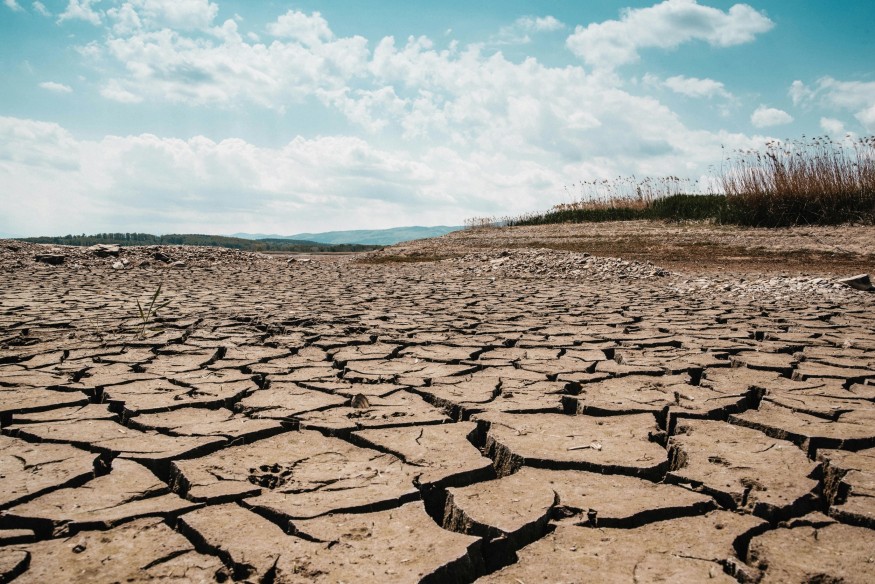
A powerful Super El Niño is increasingly becoming the most likely climate scenario by the end of the year, and scientists say the humanitarian consequences could stretch across multiple continents. Forecast agencies and climate researchers are closely monitoring rapidly warming Pacific Ocean temperatures, with some experts comparing the current conditions to the setup that led to the Biggest El Niño since the 1870s.
While El Niño is a natural climate cycle that occurs every few years, the growing concern is that this event may arrive during a period of record global ocean heat and rising climate instability.
That combination could intensify droughts, floods, crop failures, and heatwaves around the world. Researchers are also warning about the possibility of a major El Niño humanitarian crisis affecting food security, water access, public health, and global economies at the same time.
What Is a Super El Niño?
El Niño is part of a larger climate pattern called the El Niño-Southern Oscillation, or ENSO. It happens when sea surface temperatures in the central and eastern Pacific Ocean become significantly warmer than normal. These warmer waters disrupt atmospheric circulation and shift weather patterns across the planet. A Super El Niño refers to an exceptionally strong event in which ocean temperatures rise far above average levels. Only a few El Niño events in recorded history have reached this intensity, including:
- The 1982–83 El Niño
- The 1997–98 El Niño
- The 2015–16 El Niño
According to NOAA's Climate Prediction Center, the probability of a strong El Niño has increased sharply as Pacific Ocean temperatures continue climbing. Some forecasts suggest the warming could rival historic records.
Live Science recently reported that several climate experts now believe this could become the strongest event since the devastating 1877–78 El Niño, which contributed to global famine and drought disasters.
Why Scientists Are Comparing This Event to the 1870s
The comparison to the 1870s is not just about temperature records. Historians and climate researchers describe the 1877–78 El Niño as one of the deadliest climate disasters ever documented. Severe droughts affected large parts of:
- India
- China
- Brazil
- Africa
Crop failures triggered food shortages, disease outbreaks, and widespread famine. Some historical estimates suggest tens of millions of people died during the crisis.
Today, the world has better forecasting systems and emergency response tools, but experts say modern vulnerabilities could still make a Super El Niño extremely disruptive.
Global food systems are tightly connected, many regions are already dealing with water stress, and climate change is increasing the frequency of extreme weather events.
A report from the World Meteorological Organization has also warned that strong El Niño events can temporarily push global temperatures to new highs, adding even more pressure to ecosystems and infrastructure.
How a Super El Niño Could Create a Humanitarian Crisis
One of the biggest fears surrounding a Super El Niño is the risk of simultaneous disasters occurring in different parts of the world.
Food Shortages and Rising Prices
Agriculture is one of the sectors most vulnerable to El Niño conditions. Droughts, extreme heat, and shifting rainfall patterns can reduce crop yields for major food staples such as:
- Rice
- Wheat
- Corn
- Soybeans
Lower production often leads to higher global food prices. Countries that depend heavily on imported food may face additional economic pressure.
Aid agencies have repeatedly warned that climate-driven crop failures can worsen hunger and political instability, especially in regions already facing poverty or conflict.
Drought and Water Stress
Many countries experience below-average rainfall during strong El Niño years. Reservoirs, rivers, and groundwater supplies may shrink significantly. This can affect:
- Drinking water access
- Hydroelectric power generation
- Farming and irrigation
- Industrial production
Some experts worry that existing water shortages in several regions could intensify if the event strengthens further.
Flooding and Disease Outbreaks
Not every area becomes drier during El Niño. Some regions experience unusually heavy rainfall and severe flooding instead. Floods can:
- Destroy homes and infrastructure
- Trigger landslides
- Spread waterborne diseases
- Displace entire communities
Health organizations often monitor El Niño years closely because warmer and wetter conditions can increase outbreaks of diseases such as dengue fever, malaria, and cholera.
Which Parts of the World Could Be Hit Hardest?
The effects of a Super El Niño vary depending on geography and local climate conditions.
Southeast Asia and Australia
Many areas could face intense heat, drought, and wildfire risks. Reduced rainfall may also threaten agriculture and water supplies.
Africa
Parts of eastern and southern Africa are especially vulnerable to drought-linked crop failures during strong El Niño events. Food insecurity may increase rapidly if rainfall patterns collapse.
South America
Western coastal regions often experience flooding and infrastructure damage during El Niño years. Fisheries may also suffer because warmer ocean temperatures disrupt marine ecosystems.
North America
Some regions may see wetter winters, while others could experience abnormal heat and drought conditions.
Climate Change Is Making the Situation More Complicated
Scientists are still studying how climate change influences El Niño behavior, but many researchers believe warmer oceans may amplify some of its impacts.
Global sea surface temperatures have already reached record levels in recent years. If a strong El Niño develops alongside long-term planetary warming, extreme weather could become even more severe.
Climate scientists from organizations such as NASA and NOAA have repeatedly emphasized that El Niño and climate change can interact in ways that intensify heatwaves, coral bleaching, and rainfall extremes. That means a natural climate cycle may now carry larger consequences than it did decades ago.
Economic Damage Could Spread Worldwide
The impact of a Super El Niño would likely extend far beyond weather forecasts. Strong El Niño events can disrupt:
- Global food markets
- Shipping and supply chains
- Fisheries
- Insurance industries
- Energy systems
The 1997–98 El Niño caused tens of billions of dollars in global economic losses. Some economists believe future events could become even more expensive because of population growth and increasing infrastructure exposure in vulnerable areas.
Tourism industries, transportation networks, and healthcare systems may also face added pressure during prolonged climate disruptions.
Governments and Aid Agencies Are Preparing
Modern climate forecasting tools now allow scientists to monitor Pacific Ocean changes months in advance. Satellite observations, ocean buoys, and computer climate models provide much earlier warnings than were available in the past. Several governments are already:
- Reviewing emergency response plans
- Expanding drought preparedness programs
- Monitoring food and water supplies
- Strengthening flood defenses
Humanitarian organizations are also preparing contingency plans in case food insecurity and displacement increase rapidly.
However, experts warn that poorer nations with limited resources may still struggle to respond effectively if multiple climate disasters happen at once.
Why the World Is Closely Watching This Super El Niño
The possibility of the Biggest El Niño since the 1870s has drawn global attention because it combines natural climate variability with modern climate pressures. Scientists say it is still uncertain whether this event will fully reach "Super" El Niño status, but the warning signs are strong enough to raise concern worldwide.
With global temperatures already near record highs, even a temporary climate event could have lasting impacts on food systems, economies, and public health. Researchers and humanitarian groups agree that preparation during the early stages may help reduce the scale of the crisis later. Sources such as NOAA, the World Meteorological Organization, and Live Science continue to monitor developments closely as Pacific Ocean temperatures evolve in the coming months.
Frequently Asked Questions
1. What is a Super El Niño?
A Super El Niño is an exceptionally strong El Niño event where Pacific Ocean temperatures rise far above average levels, causing major disruptions to global weather patterns.
2. Why is this being called the Biggest El Niño since the 1870s?
Scientists are comparing current ocean warming patterns to the historic 1877–78 El Niño, one of the most destructive climate events ever recorded.
3. How could a Super El Niño create a humanitarian crisis?
A strong El Niño can trigger droughts, floods, food shortages, disease outbreaks, and rising prices, potentially affecting millions of people worldwide.
4. Does climate change make El Niño worse?
Many scientists believe warmer oceans and rising global temperatures may intensify some impacts linked to El Niño, including heatwaves and extreme rainfall.
© 2026 NatureWorldNews.com All rights reserved. Do not reproduce without permission.


