El Niño and La Niña stand as twin engines of climate cycles, flipping Pacific Ocean temperatures to unleash weather chaos worldwide. These events, part of the El Niño-Southern Oscillation (ENSO), explain why one year brings floods to California while the next scorches the U.S. Southwest with drought, according to NOAA Climate.gov. In a world grappling with climate change, their reach grows, influencing agriculture, disasters, and economies from Peru to Indonesia.
Recent episodes highlight the stakes. The 2023-2024 El Niño fueled global heat records, worsening wildfires in Canada and Hawaii, as noted by NASA Earth Observatory. Understanding these climate cycles equips farmers, governments, and coastal cities to brace for what's next, says the World Meteorological Organization.
El Niño and La Niña Climate Cycles?
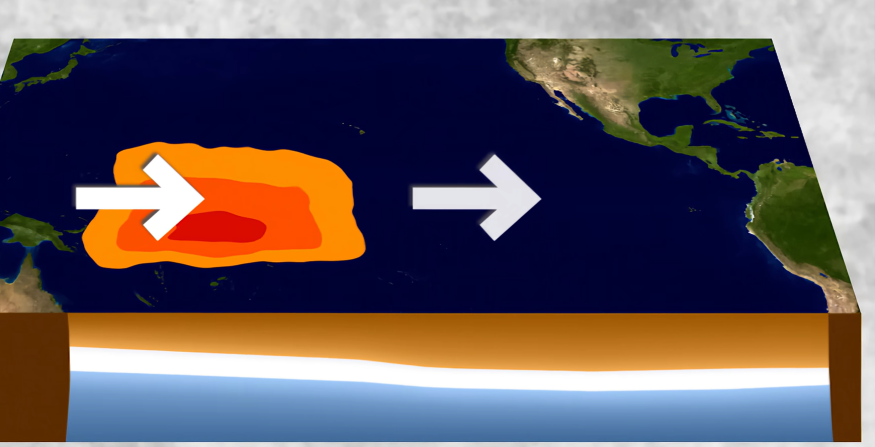
Picture the equatorial Pacific as a vast thermostat. Steady trade winds shove warm surface water toward Indonesia and Australia, uplifting cooler, nutrient-packed water off South America's coast, per NOAA Ocean Service. This balance sustains fisheries and steady rains.
Then El Niño disrupts it. Winds slacken or reverse, sloshing warm water eastward. Sea surfaces off Ecuador and Peru heat up by 2-3°C (3.6-5.4°F), sometimes more in strong events, writes EBSCO Research Starters. The atmosphere responds: the Walker Circulation—a rising air loop over the warm west—stalls, redirecting jet streams.
La Niña reverses the flow. Beefed-up trade winds hoard warmth in the western Pacific, chilling the east by up to 3°C below average. Cold water surges upward, strengthening that atmospheric pump, according to NASA Earth Observatory. These flips define ENSO climate cycles, cycling every 2-7 years with peaks in boreal winter.
Scientists track them via the Oceanic Niño Index (ONI), averaging sea surface anomalies over three months, notes NOAA Climate. Neutral phases fill gaps, but overlaps happen—think the 2020-2022 triple dip La Niña, as the World Meteorological Organization points out. Rising greenhouse gases juice these swings, making El Niño effects hotter and La Niña weather stormier.
El Niño Effects vs. La Niña Weather
The contrasts sharpen when El Niño and La Niña clash with normal patterns. El Niño effects suppress rain in the western Pacific tropics. Indonesia and the Philippines endure dry spells, slashing palm oil and rice harvests—2015-2016 saw 10 million fewer tons of Indonesian rice, says EBSCO Research Starters. Australia battles wildfires; wildfires charred 18 million hectares in 2019-2020 partly due to lingering El Niño dryness, reports NASA Earth Observatory.
Flip to the Americas: Peru's coastal deserts flood, overwhelming Lima's sewers. In 1982-1983, a monster El Niño dumped 1,000 mm (39 inches) of rain, killing thousands and costing billions, according to NOAA Climate. North America chills less severely; the jet stream meanders north, sparing the U.S. Midwest deep freezes but soaking California, per NASA Earth Observatory.
La Niña weather inverts this map. Eastern Australia and Southeast Asia get drenched—2022 floods submerged Queensland farms under 2 meters of water, notes the World Meteorological Organization. The U.S. Southwest patches; Texas reservoirs hit lows not seen since the Dust Bowl, says NOAA Ocean Service. Atlantic hurricanes multiply, as La Niña's stable upper winds let systems spin up freely—30 storms in 2020 set records, adds NOAA Ocean Service.
Globally, El Niño effects tame Atlantic activity but boost Pacific cyclones toward Fiji. La Niña weather flips that script, per the World Meteorological Organization. These climate cycles ripple to Europe (milder El Niño winters) and Africa (droughts shifting with the phase), proving no region escapes untouched, writes EBSCO Research Starters.
What's Next in 2026?
El Niño and La Niña rarely rush. Weak phases simmer for 6-9 months; monsters like 1997-1998's El Niño dragged 15 months, reshaping global fisheries for years, says NASA Earth Observatory. Most hit stride by December-February, then decay as winds rebound. About 40% of climate cycles feature consecutive events, like back-to-back La Niñas, notes NOAA Climate.gov.
Prediction shines brighter with tech. NOAA's Climate Prediction Center nails phases 6-12 months out with 70% skill, using Argo floats (3,000 drifting sensors), satellites, and supercomputer models like CFSv2, according to NOAA Climate.gov. The ONI threshold: +0.5°C for El Niño, -0.5°C for La Niña, sustained across seasons.
Entering 2026, neutral waters prevail post-2024 El Niño, reports NASA Earth Observatory. NOAA's February outlook pegs 55% La Niña odds by summer, with cooler tongues off Peru emerging, per NOAA Climate.gov. ECMWF ensembles hint at a weak event, potentially ushering wetter India monsoons but U.S. drought risks. Climate cycles evolve—models forecast more El Niño frequency amid warming.
Facing El Niño Effects, La Niña Weather, and Evolving Climate Cycles
Adaptation turns knowledge into action. Farmers in vulnerable zones plant drought-resistant maize during El Niño forecasts or stockpile water for La Niña dry spells, says the World Meteorological Organization. Cities like Miami elevate pumps against intensified rains; insurers tweak premiums based on ENSO outlooks.
International teams, from the World Meteorological Organization to regional forums, share data for early warnings, notes the World Meteorological Organization. The 2015-2016 El Niño tested this—Peru evacuated 100,000 ahead of floods, writes EBSCO Research Starters. As oceans absorb more heat, El Niño effects and La Niña weather pack bigger punches, demanding sharper vigilance in these relentless climate cycles.
Frequently Asked Questions
1. What stands out most in El Niño effects?
"El Niño" effects dry out Asia, flood the Americas, and curb Atlantic hurricanes while warming global temperatures.
2. How does "La Niña" weather alter regions?
"La Niña" weather drenches Australia, sparks U.S. droughts, and fuels record Atlantic storm seasons.
3. Why track climate cycles like ENSO?
Climate cycles forecast crop failures, disaster risks, and energy demands, aiding planning worldwide.
4. Is 2026 headed for El Niño or "La Niña"?
Neutral now, but "La Niña" odds rise to 55% by mid-year per NOAA.
© 2026 NatureWorldNews.com All rights reserved. Do not reproduce without permission.


