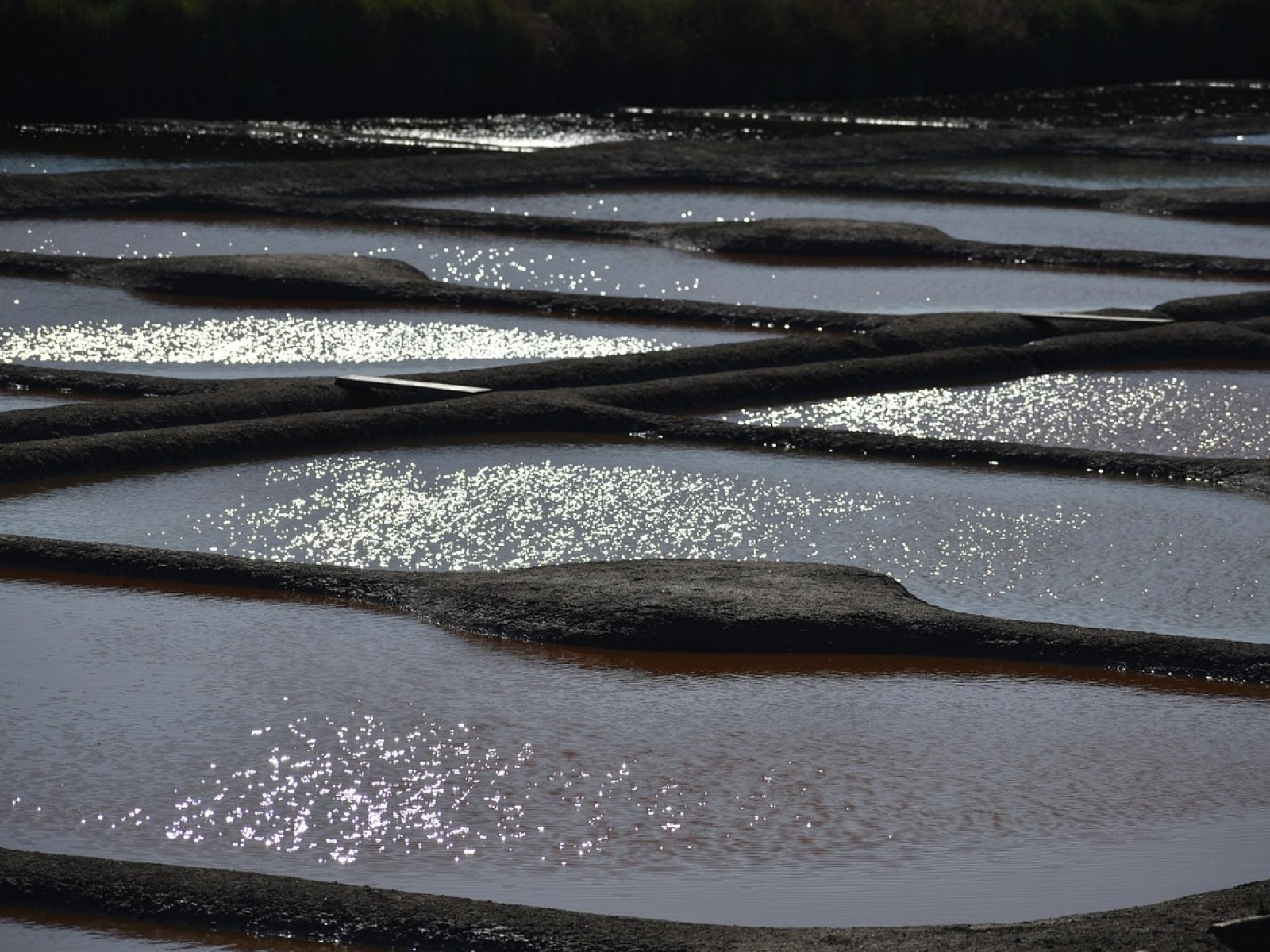
Tidal marshes play a critical role in coastal storm protection, acting as natural defenses that shield communities from extreme weather. These wetlands, often overlooked, function as powerful marsh buffers that absorb wave energy, reduce flooding, and stabilize shorelines.
As climate change intensifies storms and raises sea levels, understanding how tidal marshes buffer storms and protect coastal communities has become more important than ever.
What Are Tidal Marshes?
Tidal marshes are coastal wetlands found in areas where land meets the sea and experiences regular tidal flooding.
These ecosystems are dominated by salt-tolerant plants and are typically divided into two main types: salt marshes and freshwater marshes. Both types of wetlands share similar functions but differ in salinity and plant species.
What sets tidal marshes apart is their dynamic interaction with tides. Water flows in and out daily, bringing nutrients and sediments that help sustain dense vegetation.
This vegetation anchors the soil, slows water movement, and creates a stable environment that supports marine life. As part of broader wetland systems, tidal marshes are essential for both ecological balance and coastal storm protection.
How Tidal Marshes Function as Natural Buffers
Tidal marshes serve as highly effective marsh buffers by reducing the impact of storm surges and waves before they reach inland areas. Their structure, dense vegetation combined with soft, absorbent soil, allows them to dissipate energy in ways that artificial barriers cannot.
When a storm hits, marsh grasses and plants act like frictional barriers, slowing down incoming waves. This process, known as wave attenuation, reduces the height and force of storm surges. At the same time, wetlands absorb excess water, functioning like natural sponges that prevent rapid flooding.
Another key role of tidal marshes is sediment stabilization. As water moves through the marsh, sediments settle and accumulate, helping to build elevation and maintain the coastline. This reduces erosion and prevents land loss over time. Together, these processes make tidal marshes indispensable for coastal storm protection.
Benefits of Tidal Wetlands for Coastal Storm Protection
The benefits of tidal wetlands extend far beyond storm buffering. Their role in coastal storm protection directly translates into economic and environmental advantages for nearby communities.
- Reduced flooding: Wetlands absorb and store excess water, lowering flood risks during storms.
- Protection of infrastructure: Marsh buffers shield homes, roads, and utilities from wave damage.
- Climate resilience: Tidal marshes adapt to rising sea levels by trapping sediments and growing vertically.
- Biodiversity support: These wetlands provide habitats for fish, birds, and other wildlife.
- Carbon storage: Coastal wetlands capture and store significant amounts of carbon, helping mitigate climate change.
In regions with intact marsh systems, storm damage is often significantly lower compared to areas where wetlands have been degraded or removed.
Scientific Evidence Supporting Marsh Buffers
Research consistently shows that tidal marshes are highly effective at reducing storm impacts. Studies have found that wetlands can decrease wave heights by up to 60 percent over short distances, depending on vegetation density and water depth.
During major hurricanes, areas protected by marsh buffers experienced less flooding and property damage. For example, coastal regions with extensive wetlands have demonstrated measurable reductions in storm surge levels compared to heavily developed shorelines.
Comparative analyses highlight a clear pattern: where wetlands are preserved, communities benefit from natural coastal storm protection. In contrast, areas that replace wetlands with hard infrastructure often face higher long-term costs due to maintenance and increased vulnerability.
Threats to Tidal Marshes and Wetlands
Despite their importance, tidal marshes and wetlands are under significant threat from human activity and environmental change. Coastal development is one of the leading causes of wetland loss, as land is cleared for housing, industry, and tourism.
Sea-level rise presents another major challenge. While marshes can adapt by accumulating sediment, rapid increases in water levels can outpace their ability to keep up. Pollution, including agricultural runoff and plastic waste, further degrades these ecosystems.
The loss of tidal marshes weakens natural marsh buffers, leaving coastal communities more exposed to storms. Protecting these wetlands is not just an environmental issue, it is a critical component of disaster risk reduction.
Conservation and Restoration of Marsh Buffers
Efforts to restore and protect tidal marshes are gaining momentum worldwide. Restoration projects often involve replanting native vegetation, reintroducing natural water flow, and rebuilding degraded wetlands.
Policy initiatives also play a key role. Governments and environmental organizations are increasingly recognizing wetlands as vital infrastructure for coastal storm protection. This has led to the integration of nature-based solutions into coastal planning.
Community involvement is equally important. Local conservation programs, education campaigns, and sustainable land-use practices help ensure the long-term health of tidal marshes. By investing in these ecosystems, communities can strengthen their resilience against future storms.
What Do Tidal Marshes Do During Storms?
During storms, tidal marshes act as shock absorbers for coastal areas. As storm surges push water inland, marsh vegetation slows the flow, reducing the speed and force of incoming waves.
At the same time, wetlands temporarily store excess water, preventing it from overwhelming nearby communities. This combination of energy reduction and water storage makes tidal marshes highly effective marsh buffers during extreme weather events.
How Do Wetlands Reduce Storm Damage?
Wetlands reduce storm damage through several interconnected processes. They absorb floodwaters, stabilize soil, and reduce erosion, all of which help minimize the physical impact of storms.
Vegetation plays a crucial role by breaking up wave energy and trapping debris. This not only protects infrastructure but also reduces cleanup and recovery costs. Over time, these benefits make wetlands one of the most cost-effective forms of coastal storm protection.
Why Are Marshes Important for Coastal Protection?
Marshes are important because they provide a sustainable, self-maintaining defense system. Unlike seawalls, which can degrade or fail, tidal marshes grow and adapt over time.
They also offer multiple co-benefits, including habitat creation and water filtration. This makes them a key component of integrated coastal management strategies aimed at balancing development with environmental protection.
Can Wetlands Prevent Flooding?
Wetlands cannot completely prevent flooding, especially during extreme storms, but they significantly reduce its severity. By slowing water movement and increasing storage capacity, tidal marshes lower peak flood levels.
This reduction can mean the difference between manageable flooding and catastrophic damage. In this way, wetlands serve as a critical line of defense rather than a standalone solution.
How Effective Are Marsh Buffers Compared to Seawalls?
Marsh buffers and seawalls serve similar purposes but function very differently. Seawalls provide immediate, rigid protection but can reflect wave energy, sometimes worsening erosion in adjacent areas.
In contrast, tidal marshes absorb and dissipate energy naturally. They require less maintenance and offer additional ecological benefits. Many experts now advocate for hybrid approaches that combine wetlands with engineered structures for optimal coastal storm protection.
Strengthening Coastal Communities with Tidal Marshes
Tidal marshes remain one of the most effective and sustainable tools for coastal storm protection. As natural marsh buffers, these wetlands reduce wave energy, limit flooding, and support resilient ecosystems that benefit both people and wildlife.
Protecting and restoring tidal marshes is essential for safeguarding coastal communities, especially as climate risks continue to grow. By recognizing the value of these wetlands, policymakers and communities can make informed decisions that enhance long-term coastal storm protection.
Frequently Asked Questions
1. How long does it take for tidal marshes to recover after a storm?
Recovery time varies, but many tidal marshes can begin regenerating within months, with full recovery taking several years depending on damage and sediment supply.
2. Are tidal marshes found worldwide?
Yes, tidal marshes exist on every continent except Antarctica, typically along sheltered coastlines and estuaries.
3. Do tidal marshes help improve water quality?
Tidal wetlands filter pollutants, excess nutrients, and sediments from water, improving overall coastal water quality.
4. Can tidal marshes support local economies?
Yes, they support fisheries, tourism, and recreation, providing economic benefits alongside coastal storm protection.
Originally published on Science Times
© 2026 ScienceTimes.com All rights reserved. Do not reproduce without permission. The window to the world of Science Times.


