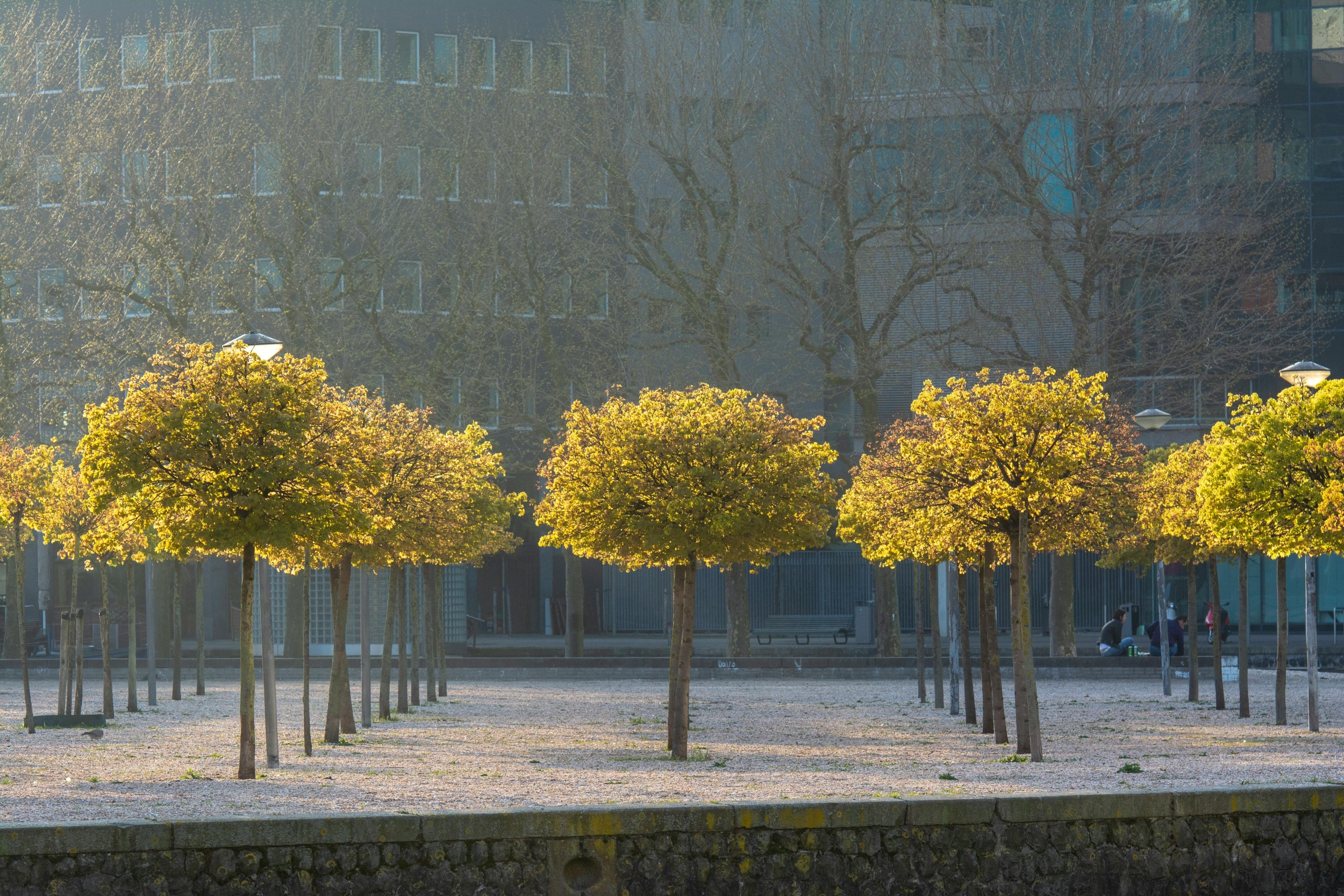
Cities around the world are heating up faster than many scientists expected. Rising global temperatures combined with dense urban development are making heatwaves longer, more dangerous, and more expensive for millions of residents. Researchers now say one natural solution may already exist in many urban areas: trees.
Understanding the Urban Heat Island Effect
The urban heat island effect happens when cities become significantly warmer than surrounding rural areas. Concrete, asphalt, glass, and steel absorb heat throughout the day and slowly release it at night, preventing urban environments from cooling properly.
A recent report featured by ScienceAlert highlighted findings showing that urban trees can offset nearly half of the heat trapped in cities. The study adds to growing evidence that urban tree canopy cooling plays a major role in reducing temperatures, improving public health, and helping cities adapt to climate change.
Natural landscapes behave differently. Trees, grass, and soil absorb less heat and release moisture into the air through evaporation, creating a natural cooling effect. Several factors contribute to rising urban temperatures:
- Large amounts of heat-absorbing pavement and buildings
- Reduced vegetation and green space
- Heavy vehicle traffic and industrial activity
- Heat generated from air conditioners and machinery
According to NASA Earth Observatory, some cities can become several degrees warmer than nearby countryside areas, especially during nighttime hours. During major heatwaves, this temperature difference can become dangerous.
Scientists warn that the urban heat island effect is intensifying as more people move into cities and global temperatures continue to rise.
How Trees Reduce City Heat
Urban trees provide cooling in multiple ways, making them one of the most effective forms of natural climate protection available to cities.
Shade Prevents Surfaces From Overheating
Tree canopies block direct sunlight from reaching roads, sidewalks, vehicles, and buildings. This shade prevents surfaces from absorbing excessive amounts of heat during the day.
Researchers have found that shaded streets can feel dramatically cooler compared to areas without tree coverage. In some cases, pavement temperatures may be reduced by several degrees.
Trees Cool the Air Through Evaporation
Trees also release water vapor through a process called evapotranspiration. As moisture evaporates from leaves, the surrounding air cools naturally. This is one reason parks and tree-lined streets often feel noticeably cooler than dense commercial districts filled with concrete and glass towers.
Reduced Energy Consumption
Urban trees can lower indoor temperatures by shading homes and office buildings. This reduces the need for air conditioning during hot weather, helping lower electricity demand and energy costs.
The U.S. Environmental Protection Agency has noted that trees and vegetation are among the most effective tools for reducing urban heat islands while also improving air quality and stormwater management.
New Research Reveals the Powerful Impact of Urban Tree Canopy Cooling
The recent global study examined nearly 9,000 cities and urban regions worldwide. Researchers compared urban temperatures with nearby rural areas while measuring the amount of vegetation and tree cover present in each city. The results were striking.
Scientists found that trees reduce city heat enough to offset nearly half of the warming caused by urban development in many locations. Neighborhoods with strong urban tree canopy cooling consistently experienced lower temperatures compared to areas with limited greenery.
Researchers were particularly surprised by how effective vegetation was at reducing localized heat buildup.
Cities with large tree canopies, parks, and connected green spaces benefited the most. Cooler neighborhoods not only experienced lower temperatures but also improved air quality and better outdoor comfort during extreme heat events.
The Catch: The Hottest Cities Often Have the Fewest Trees
While the cooling power of trees is becoming clearer, researchers say many cities face major obstacles when trying to expand urban forests.
Some of the hottest cities in the world have very low tree coverage due to environmental and infrastructure challenges.
Water Shortages Limit Tree Growth
Cities in dry and desert climates often struggle to maintain large numbers of trees because water supplies are limited. During drought conditions, keeping urban forests alive becomes expensive and difficult.
Dense Urban Development Leaves Little Space
Rapidly growing cities frequently prioritize housing, roads, and commercial construction over green spaces. In heavily developed urban centers, finding room for parks or tree-lined streets can be challenging.
Extreme Heat Can Damage Trees
Climate change is also placing stress on trees themselves. Prolonged heatwaves, stronger storms, pest infestations, and wildfires are threatening urban vegetation in many regions.
Some tree species may no longer survive in climates that are becoming hotter each year.
Researchers say cities must carefully choose drought-resistant and climate-adapted tree species if they want long-term cooling benefits.
Read Also: How Cats Always Land on Their Feet Explained Through Reflexes, Balance, and Feline Physics
Unequal Tree Coverage Creates Unequal Heat Risks
Another issue highlighted by researchers is the unequal distribution of urban trees.
In many cities, wealthier neighborhoods tend to have more parks, green spaces, and shaded streets. Lower-income communities often have fewer trees and higher exposure to dangerous heat. This disparity can create serious health risks. Studies have linked low tree coverage with:
- Higher rates of heat-related illness
- Poorer air quality
- Increased stress and mental fatigue
- Greater electricity costs from cooling needs
- Reduced outdoor safety during heatwaves
A report from The Nature Conservancydescribed urban tree inequality as an environmental justice concern affecting millions of people globally.
Experts say future urban planning must focus not only on planting more trees, but also on ensuring tree coverage is distributed fairly across communities.
Cities Are Combining Trees With Other Cooling Solutions
Although trees remain one of the most effective cooling tools, many experts say cities need multiple strategies to combat rising temperatures. Governments and urban planners are increasingly using:
- Reflective roofs and cool pavements
- Green roofs covered with vegetation
- Expanded parks and public green spaces
- Vertical gardens on buildings
- Improved street ventilation and airflow design
Some cities are also using satellite imaging and artificial intelligence to identify urban heat hotspots and plan future cooling projects more effectively.
These technologies help planners determine where trees and green infrastructure can have the greatest impact.
Why Urban Trees Are Becoming Essential for Climate Adaptation
Scientists believe urban forests will become increasingly important as climate change continues to intensify heatwaves worldwide. Trees do more than cool neighborhoods. They also:
- Improve air quality
- Reduce flooding risks
- Support wildlife and biodiversity
- Encourage outdoor activity
- Improve mental well-being
Urban tree canopy cooling is now viewed as a critical part of climate adaptation planning rather than simply a beautification effort.
Still, researchers emphasize that trees alone cannot fully solve the urban heat island effect. Reducing fossil fuel emissions, improving sustainable infrastructure, and redesigning cities for long-term climate resilience will remain essential.
How Trees Could Shape the Future of Cooler Cities
As more cities experience record-breaking heat, urban forests are becoming one of the clearest examples of how nature-based solutions can improve daily life.
The latest research shows that trees reduce city heat far more effectively than many experts previously realized. Yet the places facing the greatest heat dangers often lack the resources, space, or climate conditions needed to expand tree coverage quickly.
That challenge is likely to shape future urban planning decisions around the world. Cities that successfully combine urban tree canopy cooling with smarter infrastructure and climate adaptation strategies may become safer, healthier, and more livable in the decades ahead.
Frequently Asked Questions
1. What is the urban heat island effect?
The urban heat island effect occurs when cities become warmer than surrounding rural areas because buildings, roads, and pavement absorb and retain heat.
2. How do trees reduce city heat?
Trees cool urban environments by providing shade and releasing moisture into the air through evapotranspiration, which lowers surrounding temperatures.
3. Why don't all cities plant more trees?
Some cities face challenges such as limited space, water shortages, maintenance costs, and extreme climate conditions that make large-scale tree planting difficult.
© 2026 NatureWorldNews.com All rights reserved. Do not reproduce without permission.


