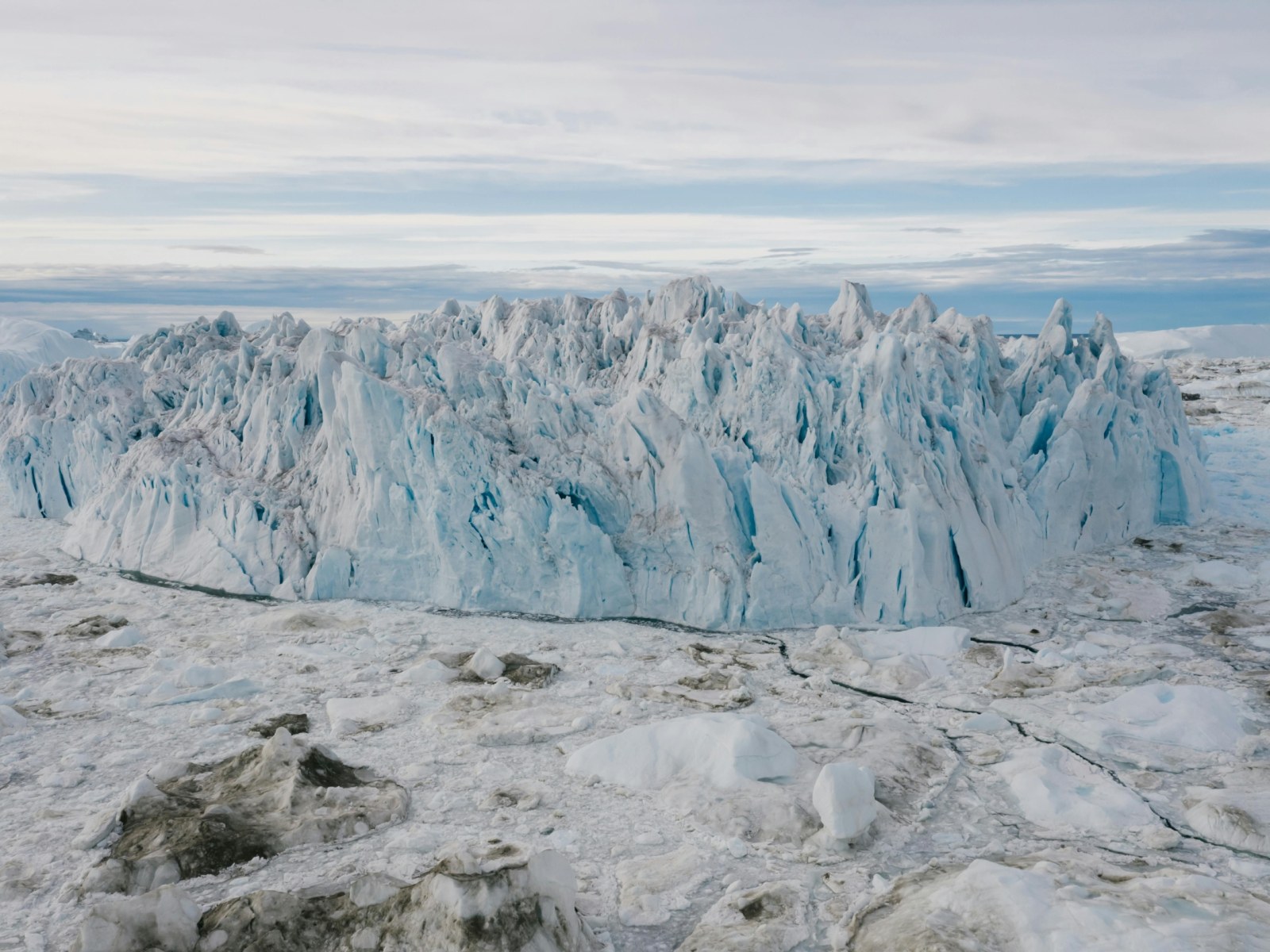
Global temperatures climb, and Arctic permafrost thaw picks up speed, unleashing ancient carbon release that feeds a relentless climate feedback loop. Frozen soils across the north, holding organic matter from long-extinct ecosystems, melt under warmer conditions, sending dissolved carbon into rivers and eventually the ocean. This cycle traps more heat, speeding up the thaw even further.
Why Arctic Permafrost Thaw Hits Harder Now
Permafrost—ground frozen year-round for at least two years—underlies about a quarter of the Northern Hemisphere. It traps plants, animals, and microbes from thousands of years ago in an icy vault. As air temperatures rise roughly four times faster in the Arctic than the global average, the top "active layer" thaws deeper each summer.
Researchers at the University of Massachusetts Amherst tracked this process through decades of river data from Alaska, spotting how fall thaws now extend the season and boost carbon flows.
- Deeper active layers let more water infiltrate, carrying thawed organics downstream.
- Extended fall thaws add 20-30% more runoff in flat regions, per recent field studies.
- Soil collapse from ice melt widens river channels, stirring up sediments.
Northwest Alaska stands out with its peat-rich plains, where organic buildup reaches tens of meters thick. Eastern areas, rockier and steeper, see milder effects despite the same warming. A study in Communications Earth & Environment detailed these contrasts, showing northwest rivers now export far more old carbon.
Ancient Carbon Release Reshapes Waterways
Ancient carbon release kicks in when permafrost microbes wake up and break down long-frozen matter into soluble forms. Radiocarbon dating pegs much of this carbon at 3,000 to 12,000 years old—far older than today's plants. Rivers dissolve it and rush it seaward, where ocean bacteria turn it into CO2.
This adds hundreds of millions of tons to the atmosphere yearly. Unlike fresh plant decay, ancient carbon lingers longer, building up over decades.
Key effects include:
- River transformation: Channels shallow out and braid across collapsing banks.
- Ocean impacts: Arctic waters acidify faster, stressing shellfish and plankton.
- Ecosystem shifts: Nutrients flood downstream, altering fish spawning grounds.
Permafrost stores around 1,700 billion tons of carbon—nearly double what's now airborne. Even partial thaw could rival human emissions in scale.
How the Climate Feedback Loop Builds Momentum
The climate feedback loop turns thaw into a runaway process. Released CO2 and methane trap extra heat, melting more permafrost and freeing more carbon. Wildfires add fuel by stripping protective tundra cover, exposing soils to extreme swings.
- Fires dry out peat, then burn it, releasing stored carbon instantly.
- Thawed ground grows 25-100 times more porous, letting gases vent easily.
- Deeper snow in some areas insulates permafrost, slowing refreezing.
- Abrupt thaw doubles prior emission estimates, affecting 20% of ice-rich zones.
- Wildfire cycles burn recent organics and dry soils for next fires.
- Methane bubbles from thermokarst lakes pack 80x the short-term punch of CO2.
A PNAS analysis warned this loop could cut the remaining carbon budget for 1.5°C warming by 25%, forcing steeper global cuts. Under high-emission scenarios, 100-200 billion tons might be mobilized by 2100.
Siberia's yedoma soils, up to 30,000 years old, bubble methane from crater-like collapses, mirroring Alaska's trends.
Regional Hotspots Fuel Global Worry
Arctic permafrost thaw varies sharply by landscape. Flatter, wetter zones like Alaska's North Slope or Siberian lowlands hoard thick peat, priming them for heavy ancient carbon release. Steeper, rockier terrain resists as much mobilization.
In Canada's Mackenzie Delta, rivers already carry elevated old carbon. Greenland's margins thaw too, though coastal ice masks some signals. Satellite data tracks these shifts, revealing "deep carbon" surges in unwalled plains.
A report from NOAA's Arctic program highlighted how 2025 fires scorched record peat, doubling emissions in affected basins. These hotspots signal tipping points where local thaw spirals globally.
Strategies to Slow the Feedback Loop
Curbs on fossil fuels slow Arctic permafrost thaw at its root, limiting the climate feedback loop's grip. Models incorporating permafrost data sharpen Paris Agreement targets.
Practical steps gain traction:
- Reforesting tundra with insulating shrubs rebuilds soil protection post-fire.
- Methane capture pilots test lake bubbling zones.
- International monitoring networks forecast carbon fluxes via river gauges.
Restoration scales up in Alaska, where native groups replant after burns. Policymakers push for "permafrost-inclusive" budgets, treating natural emissions as hard limits.
Thawing Ground Signals Urgent Climate Shifts
Ancient carbon release from Arctic permafrost thaw locks in a climate feedback loop that reshapes warming paths, pushing for faster global action. River carbon tracking provides real-time tipping point alerts, urging deeper emission cuts today.
Frequently Asked Questions
1. What is Arctic permafrost thaw?
Arctic permafrost thaw refers to the melting of permanently frozen ground in the northern regions, driven by rising temperatures. This exposes organic matter locked away for millennia, releasing it into rivers and soils.
2. Why does ancient carbon release matter?
Ancient carbon release happens when thawed permafrost organics dissolve and flow to oceans, converting to CO2 through microbial activity. Over 275 million tons enter the Arctic Ocean yearly, amplifying warming.
3. How does the climate feedback loop work?
The climate feedback loop accelerates as thaw emissions trap more heat, melting additional permafrost in a cycle. Wildfires and deeper snow insulate soils, worsening the process.
© 2026 NatureWorldNews.com All rights reserved. Do not reproduce without permission.


