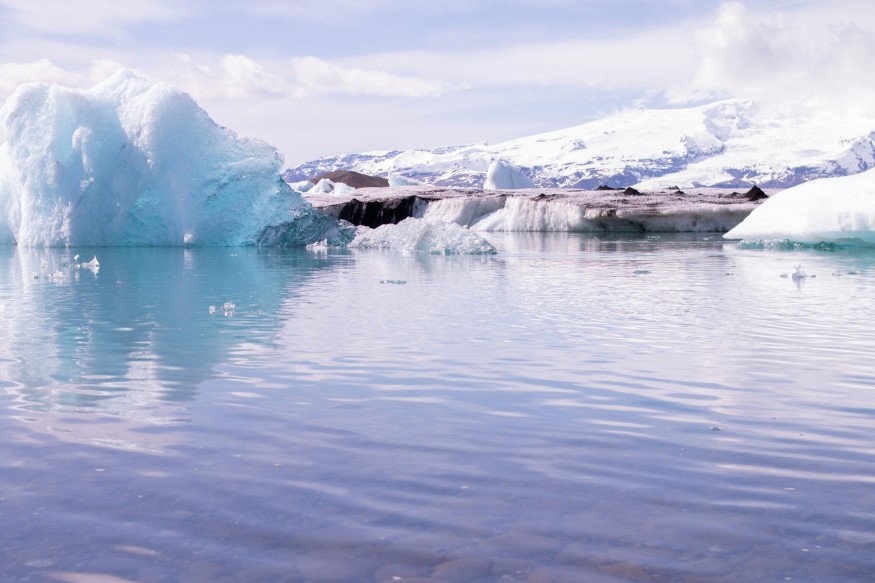
Arctic ice melting has surprised scientists with its rapid pace, outstripping forecasts from earlier climate models. This trend highlights key aspects of climate change in the Arctic, where warming happens much quicker than global averages. Observations show summer sea ice shrinking faster than predicted, raising questions about model accuracy and future risks.
Observed Melt Rates Outstrip Predictions
Satellite data since the late 1970s reveals a sharp decline in Arctic sea ice extent. September minima, the seasonal low point, have dropped by roughly 13% per decade. Many models from the 1990s and early 2000s expected slower losses, projecting ice persistence through mid-century under moderate warming scenarios.
Reality diverged sharply. By the 2010s, ice volume plummeted as thinner layers proved vulnerable to warm ocean currents and winds. A study from the National Snow and Ice Data Center noted models consistently underestimated this volume loss, with actual declines hitting twice the projected rates in some years. Arctic ice melting now exposes dark ocean waters that absorb sunlight, creating a feedback loop that accelerates the process further.
This mismatch isn't just academic. Thinner multi-year ice, once a stable feature, now rarely survives winters. Warm Atlantic inflows push heat northward, eroding edges from below. These dynamics caught older simulations off guard, as they leaned on averaged global data rather than region-specific shifts.
Key Drivers Fueling Faster-Than-Expected Arctic Ice Melting
Feedback mechanisms lie at the heart of accelerated arctic ice melting. The ice-albedo effect stands out: white ice reflects up to 80% of sunlight, but melting uncovers dark seas that absorb 90% or more. This swap traps extra heat, melting additional ice in a vicious cycle.
Ocean heat plays a big role too. Currents like the Atlantic Water Boundary Current carry warmth from tropics into the Arctic basin, warming waters from below. Atmospheric rivers—plumes of moist, warm air—dump rain and heat during summer, fracturing ice floes. Black carbon from wildfires and industry settles on surfaces, darkening them and boosting melt by up to 20% in affected areas.
Permafrost thaw adds another layer. As ground ice melts, it releases methane, a greenhouse gas 25 times more potent than CO2 over a century. These factors compound climate change in the Arctic, pushing temperatures up nearly four times the global rate. Scientists at the National Center for Atmospheric Research have pointed out how these overlooked elements explain the prediction gaps.
Read Also: Are Climate Tipping Points Closer Than Scientists Predicted? Global Warming Risks Escalate
Why Is the Arctic Warming Faster Than the Rest of the Planet?
Arctic amplification drives this outsized warming. Lost ice reduces reflectivity, letting more solar energy stay trapped. Thin ice also allows ocean heat to escape into the atmosphere, warming air above.
Ocean circulation redistributes heat poleward. Slower winds and shifting jet streams trap warmth in the region. Cloud changes matter too—lower, thicker clouds during summer trap heat like a blanket. These processes make the Arctic a hotspot, amplifying climate change arctic effects far beyond uniform model assumptions.
Local factors intensify it. Urban heat from growing Arctic communities and shipping lanes adds minor but cumulative warmth. Indigenous observers in Alaska and Canada report thinner spring ice and earlier breakups, aligning with satellite trends. This rapid shift reshapes ecosystems, from plankton blooms to bird migrations.
How Does Melting Arctic Sea Ice Affect Ocean Currents?
Arctic ice melting floods the North Atlantic with freshwater, diluting dense, salty waters that power the Atlantic Meridional Overturning Circulation (AMOC). This "ocean conveyor belt" drives warm Gulf Stream currents toward Europe. A weakened AMOC could cool northwest Europe by 5-10°F while heating other regions.
Freshwater forms a lid, trapping heat below and disrupting marine life. Fish stocks like cod shift northward, challenging fisheries. Walruses and seals lose platforms, crowding onto land with cascading effects on predators like polar bears. The Guardian highlighted recent slowdowns in ice melt, but long-term freshwater pulses still threaten current stability.
Global ripples follow. Jet stream wobbles from uneven Arctic warming link to stalled weather patterns—think prolonged heat domes or cold snaps. Coastal erosion accelerates as waves hit bare shores, displacing communities in places like Utqiaġvik, Alaska.
When Will the Arctic Be Ice-Free?
Ice-free Arctic summers—defined as under 1 million square kilometers—loom closer than models once thought. Refined projections suggest late 2020s to 2030s under current emissions. Windy years can boost winter ice temporarily, but the trend points downward.
Thinner ice dominates now, with first-year floes replacing resilient multi-year ice. Ocean heat content hit record highs in 2023-2025, undercutting projections. NPR reported in 2022 how melt rates exceeded expectations, shifting timelines forward. Natural variability masks the signal short-term, but physics favors loss.
Broader Impacts of Rapid Arctic Ice Loss
Polar species adapt poorly. Polar bears swim farther between hunts, with cub survival dropping 30% in some areas. Seabirds nest on shrinking islands, facing floods. Human costs mount: $100 million in annual erosion damages for Alaskan villages, plus shipping booms raising spill risks.
Sea levels rise modestly from land ice melt but destabilize the weather. Arctic ice melting contributes to 20% of recent global temperature anomalies. Indigenous knowledge tracks these shifts—earlier berry seasons, unpredictable caribou migrations—offering early warnings.
Emerging Insights from Recent Arctic Warming Trends
Refined models now bake in feedbacks like albedo loss and ocean heat, closing prediction gaps. Real-time satellite and buoy data sharpen forecasts, urging faster emissions cuts. Tracking climate change arctic signals helps global efforts, from renewable pushes to protected shipping lanes. Communities worldwide watch as Arctic changes preview broader shifts ahead.
Frequently Asked Questions
1. Why Is Arctic Ice Melting Faster Than Climate Models Predicted?
Arctic ice melting exceeds early climate model forecasts due to underestimated feedback loops like ice-albedo effects and ocean heat inflows. Satellite data shows summer declines at 12-13% per decade, twice some projections, as thinner ice vanishes quicker under amplified warming.
2. Why Is the Arctic Warming Faster Than the Rest of the Planet?
Known as Arctic amplification, this stems from lost reflectivity—melting ice exposes a dark ocean that absorbs more heat. The region warms nearly 4x the global average, with ocean currents and methane from thawing permafrost adding to climate change arctic intensity.
3. How Fast Is Arctic Sea Ice Melting?
September extents shrink by about 13% per decade since 1979, with volume losses even steeper. First-year ice now dominates, melting rapidly in warmer summers, though yearly weather can cause short-term fluctuations.
© 2026 NatureWorldNews.com All rights reserved. Do not reproduce without permission.


