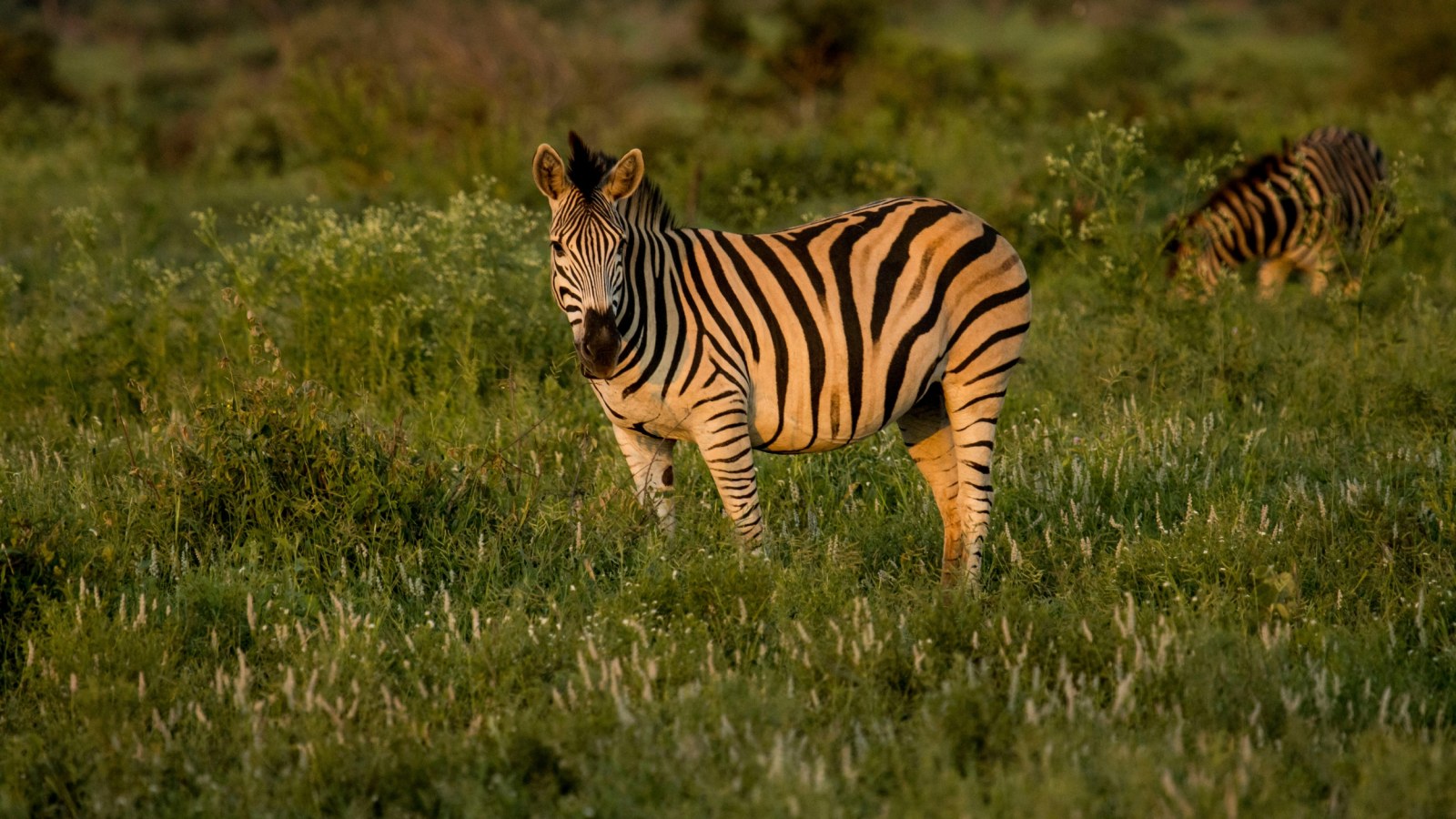
Grassland wildlife populates vast open landscapes where grasses stretch endlessly under big skies. Zebras and lions anchor African plains species in these savannas, showcasing survival through speed and strategy. Prairie dog ecosystems bring a North American twist, with burrows fueling entire food chains alongside savanna animals lists full of drama.
Exploring Grassland Habitats
Grassland wildlife adapts to environments with few trees and lots of wind-swept plains. Africa's Serengeti exemplifies this, where zebras form massive herds and lions claim territories amid golden grasses. These areas see wet seasons that explode with growth, followed by dry stretches testing every creature's limits.
Savanna animal lists often start with grazers like wildebeests and zebras, whose migrations draw predators in waves. Prairie dog ecosystems in the Great Plains contrast sharply—rodents dig networks that shelter over 200 species, from owls to foxes. Both setups highlight grassland wildlife's reliance on open sightlines for spotting threats early.
Seasonal fires sweep through, clearing old growth and spurring fresh shoots that herbivores crave. African plains species thrive here because grasses recover fast, sustaining populations year-round. Nature's balance keeps predators fed without wiping out prey, a dance as old as the continents themselves.
- Grasses grow up to 10 feet tall in wet years.
- Herds move 1,000 miles or more chasing rain.
- Fires renew soil nutrients every few years.
Savanna Animals List and Key Players
A core savanna animal list features zebras, lions, elephants, giraffes, cheetahs, hyenas, rhinos, and ostriches. Zebras munch on mid-length grasses, leaving shorter patches for gazelles. Lions, the kings, hunt in prides where females do the chasing and males guard the pride lands.
Elephants knock down acacias, creating water holes that birds and smaller mammals use. Cheetahs sprint at 60 mph for quick kills, while hyenas laugh their way through scavenged meals or coordinated pack hunts. Ostriches, flightless giants, outrun most dangers with legs built for bursts up to 45 mph.
African plains species interlock tightly—zebras' poor color vision lets them lead herds past lion ambushes, as stripes blend into shimmering heat waves. Giraffes browse treetops, spotting predators from afar. This savanna animals list underscores grassland wildlife's diversity, with each animal carving a niche.
Wikipedia's grassland page notes how these biomes cover 40% of Earth's land, supporting icons like these. Simply Ecologist's animal list adds vivid adaptations, such as rhinos' mud baths cooling skin under relentless sun.
- Zebras: Stripes confuse flies and foes alike.
- Lions: Pride hunts succeed 30% of the time.
- Hyenas: Jaws crush bones others ignore.
What Animals Live in Grasslands Worldwide?
Grassland wildlife spans globe-trotting varieties beyond savannas. North America's bison thunder across prairies, their wallows collecting rain for frogs and insects. Prairie dog ecosystems turn shortgrass into biodiversity hotspots, with "towns" covering 25,000 acres historically.
Australia's kangaroos box rivals and hop 30 feet in leaps, grazing alongside wallabies. South American pampas host rheas, ostrich cousins that sprint from pumas. Eurasian steppes shelter saiga antelopes, whose funky noses warm icy air.
Prairie dogs "yip" warnings, teaching young to dive underground at hawk shadows. Their clips keep grasses tender, benefiting grazers above. Bison dung fertilizes patches, drawing butterflies and bees in cycles.
These habitats favor endurance over climbing—open runs demand stamina. Grassland wildlife here dodges coyotes or eagles through vigilance. Prairie dog ecosystems prove small players shape big landscapes, much like zebras stir dust trails across African plains species zones.
- Bison: Once 60 million strong, now recovering.
- Kangaroos: Pouch young called joeys ride along.
- Saigas: Hunted near extinction but rebounding.
Zebra and Lion Survival Tactics
Zebras survive savannas by grazing 80% of daylight hours on stems too tough for others. Herds of thousands confuse lions—stripes merge into a "black-and-white blizzard" during flights. They bolt at 40 mph, weaving to dodge claws, and kick backward with hooves like sledgehammers.
Foals stand minutes after birth, galloping by hour's end to match the herd. Zebras prioritize water over food in droughts, trekking to rivers despite croc risks. Mutual grooming bonds the group, while "lead mares" set migration paths using memory of past rains.
Lions counter with ambush smarts. Females creep through grass, signaling with tails before exploding forward at 50 mph for 300 yards. They tire fast, so prides fan out, cutting off escape routes. Throat clamps end chases, and cubs watch from cover, practicing on warthogs.
One Earth's species spotlight details prairie dogs' role, mirroring how zebra herds aerate soil with hooves. In hunts, lions exploit stragglers—old, young, or injured—keeping savanna animals stable.
Prairie Dog Ecosystems in Action
Prairie dog ecosystems buzz with activity across 700 million acres once. Colonies divide labor: lookouts bark codes for "man," "hawk," or "snake," sending all diving in seconds. Burrows plunge 15 feet, with listening posts near entrances for vibes from above.
Digging churns subsoil to top, trapping seeds and moisture for wildflowers. Bison follow clipped paths, fattening on regrowth, while ferrets hunt pups underground. Badgers raid tunnels; rattlesnakes bask on mounds.
Plague hit hard in the 1900s, but vaccines and refuges rebuilt towns. Prairie dogs farm by height—tall plants shade burrows, short ones mark trails. This mirrors African plains species teamwork, where dung beetles recycle waste for soil health.
Floods refill chambers yearly, forcing rebuilds that refresh the system. Grassland wildlife here leans on these engineers, turning barren flats into oases.
- Burrows house 170+ species as renters.
- "Kissing" greetings reinforce family ties.
- Clipping boosts grass protein by 60%.
Challenges for Grassland Wildlife Today
Farms carve up savannas, fencing off migration routes for zebras and wildebeests. Poachers snag lion parts for trade, dropping pride numbers. Droughts from climate shifts parch water holes, stranding herds.
Prairie dog ecosystems face plague and shooting—ranchers blame them for overgrazing, ignoring soil perks. Invasive cheatgrass fuels mega-fires, scorching nests and burrows. Bison clash with fences, halting ancient trails.
Refuges like Maasai Mara protect African plains species, while U.S. national grasslands restore prairie dogs. Community herdsmen deter poachers, and fire management mimics nature's cycles. Grassland wildlife rebounds where humans step back.
Why Zebras, Lions, and Prairie Dogs Endure
Grassland wildlife persists through clever traits—zebra illusions, lion packs, prairie dog cities. Savanna animal lists evolve with protections, while African plains species dazzle in migrations. Prairie dog ecosystems remind us of small shifts ripple wide, sustaining prairies for bison and beyond. Dive into these plains to see nature's raw ingenuity.
Frequently Asked Questions
1. What are grasslands?
Grasslands are vast open areas dominated by grasses, with few trees, spanning savannas in Africa and prairies in North America. They support grassland wildlife like zebras, lions, and prairie dogs through seasonal rains and fires that renew vegetation.
2. What animals live in grasslands?
Common savanna animals list includes zebras, lions, elephants, giraffes, cheetahs, hyenas, and ostriches in African plains species. Worldwide, bison roam North American prairies, kangaroos hop in Australia, and prairie dog ecosystems host over 200 associated species.
3. How do zebras survive lions?
Zebras use herd formations where stripes create confusion, reaching 40 mph sprints and powerful kicks. They graze tough grasses for 80% of daylight and migrate long distances for water and food.
© 2026 NatureWorldNews.com All rights reserved. Do not reproduce without permission.


