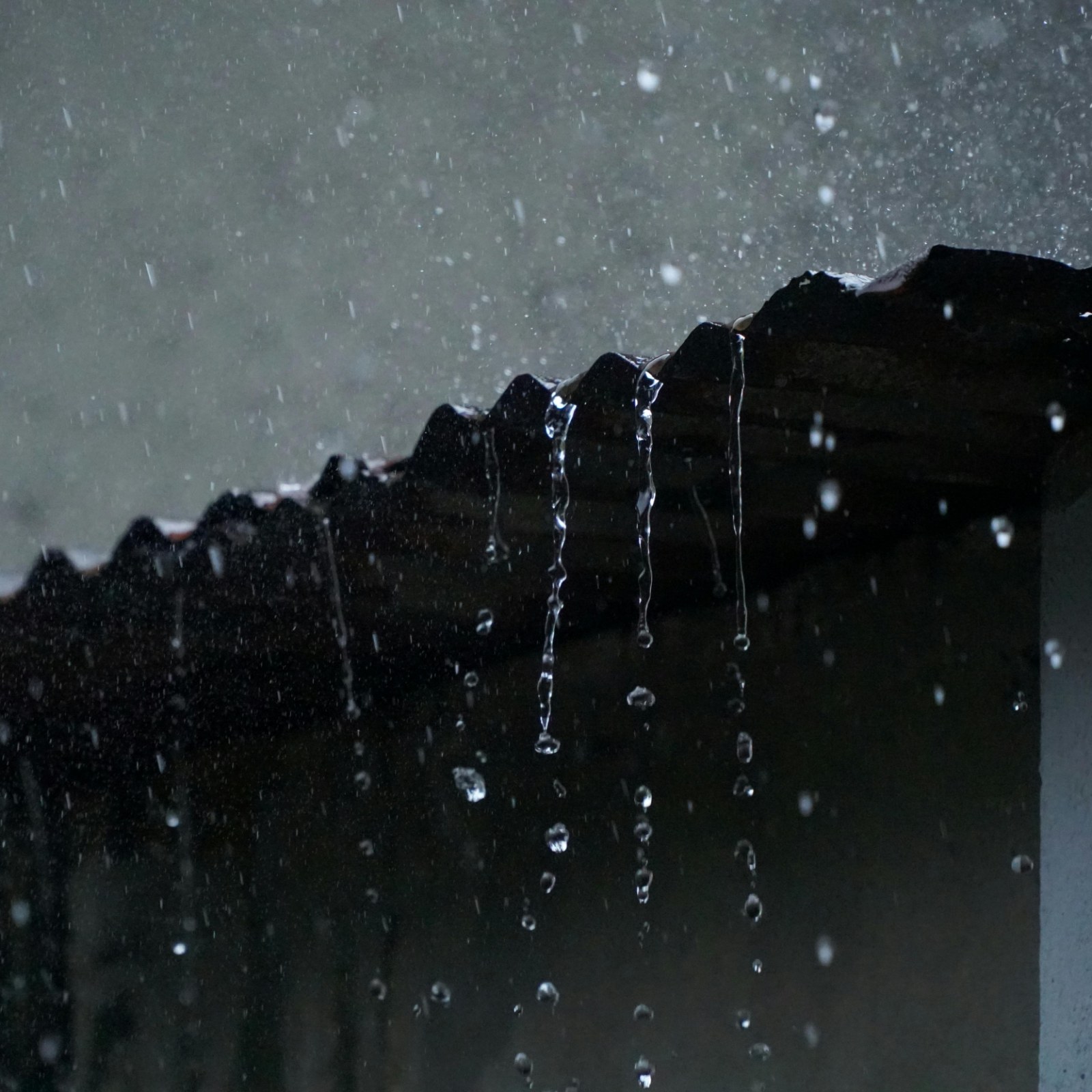
Drought water conservation stands as a frontline defense against shrinking water supplies in many regions. Aquifer depletion accelerates as groundwater pulls exceed natural refill rates, pushing areas toward water rationing or costly desalination plants. Practical steps like rainwater harvesting, greywater reuse, and xeriscaping provide sustainable paths forward, easing these pressures without heavy infrastructure.
Tackling Aquifer Depletion Through Smart Practices
Aquifer depletion hits hard in farming-heavy zones where irrigation drains underground reserves faster than rain can replenish them. Wells run dry, land sinks, and rivers weaken, creating ripple effects on ecosystems and communities. Shifting to drought water conservation curbs this trend by prioritizing recharge over endless extraction.
Key signs of aquifer depletion include dropping water tables and increased pumping costs for farmers. Urban growth compounds the issue, as cities pull from the same sources. Desalination plants offer a fix but demand massive energy, often from fossil fuels, making them less ideal for everyday use.
- Groundwater levels in California's Central Valley have fallen over 100 feet in spots since the 1960s.
- India's Punjab region faces similar drops, threatening food production for millions.
- Early detection via monitoring wells helps communities act before a crisis hits.
A study from the Natural Resources Defense Councilnotes that better management could restore many aquifers within decades through targeted conservation.
Water Rationing Realities and Better Alternatives
Water rationing kicks in when supplies dip low, capping usage for homes, businesses, and farms via rules on lawn watering or pool filling. Cities enforce it through fines or odd-even day schedules, buying time for reservoirs to recover. Yet it treats symptoms, not aquifer depletion roots, and sparks frustration among residents.
Short-term cuts work—households often slash use by 15-25% during restrictions. Pairing them with education on fixes like low-flow fixtures boosts compliance. Long-term, though, leaning solely on rationing delays tougher shifts away from desalination plants.
Numbered steps to thrive under rationing:
- Audit home leaks—fixing them saves 10% of typical use.
- Install aerators on faucets and showerheads for instant gains.
- Collect shower warmup water for plants, previewing greywater ideas.
The EPAhighlights how voluntary programs stretch rationing further by building habits early.
Rainwater Harvesting: Simple Setup for Big Savings
Rainwater harvesting grabs roof runoff before it vanishes into storm drains, storing it for gardens or toilets. This directly fights aquifer depletion by mimicking natural infiltration, letting water seep back underground. Barrels start cheap at $50, while larger cisterns hold thousands of gallons for dry months.
Systems route gutters to first-flush cleaners that ditch initial debris, then filter into tanks. In Texas, homeowners cut municipal pulls by 40% with basic setups. No chemicals needed—UV light or screens keep it plant-ready, sidestepping desalination plants entirely.
Benefits in bullet form:
- Reduces flooding by slowing runoff.
- Lowers bills—pays back in 2-3 years.
- Scalable from apartments (shared barrels) to farms (ponds).
One report from the Rocky Mountain Institutepraises its role in arid Southwest communities, where it halved irrigation demands.
Greywater Systems: Reuse What You Already Have
Greywater systems channel sink, shower, and washer water to landscapes after basic screening. Light soiling makes it safer than blackwater, cutting fresh water needs by recycling 30% of indoor output. This eases water rationing strain and slows aquifer depletion without new supplies.
DIY versions use diverters to mulch basins, where soil microbes clean it naturally. Permitted setups add pumps for hillsides, treating via sand filters. Arizona leads with rebates, proving urban viability amid droughts.
Pros and cons listed:
- Pros: Drops sewer loads; supports food gardens.
- Cons: Local codes vary; needs surge protection.
- Tip: Start with laundry-to-landscape for the easiest entry.
Greywater cuts reliance on desalination plants, as noted in practical guides from water agencies.
Xeriscaping: Landscaping That Thrives on Less
Xeriscaping swaps thirsty lawns for clustered natives, mulch, and drip lines that sip precisely. Outdoor use gulps 50-70% of home water, so this slashes it by 75%, freeing supplies during rationing. Plants like agave or lavender root deep, grabbing moisture others miss.
Design zones by thirst—driest near houses, lusher farther out. Gravel and bark lock in soil dampness against evaporation. Cities offer free plans, tying into drought water conservation goals.
Quick implementation list:
- Soil test for amendments like compost.
- Group plants by sun and water match.
- Mulch 3 inches deep, refresh yearly.
Landscapers in Colorado report yards that bloom through multi-year dry spells.
Desalination Plants vs. Homegrown Solutions
Desalination plants boil seawater to fresh, supplying coastal cities like those in the Middle East. They crank out billions of gallons but guzzle power—equivalent to small nations—and dump hypersaline brine harming sea life. Costs soar past $2,000 per acre-foot, versus pennies for harvested rain.
Local methods win on flexibility, hitting aquifer depletion where it starts:
- Desalination: Upfront cost $1B+ per plant; annual savings high volume; eco-footprint heavy (energy, brine).
- Rainwater Harvesting: Upfront cost $200-$5K; annual savings 20-50% bills; eco-footprint low (local cycle).
- Greywater: Upfront cost $1K-$10K; annual savings 30% reuse; eco-footprint neutral (waste divert).
- Xeriscaping: Upfront cost $5-$20/sq ft; annual savings 50-75% outdoor; eco-footprint positive (biodiversity).
- Rationing: Upfront cost free admin; annual savings temporary cuts; eco-footprint behavioral shift.
Blending Methods for Lasting Water Security
Layering rainwater harvesting atop xeriscaped yards, with greywater feeding in-between, builds full-cycle resilience. Farms pair it with cover crops to boost soil sponges, countering depletion. Governments sweeten it via tax credits, speeding shifts from desalination plants.
Australian towns slashed rationing days by 60% this way, per case studies. Tech like smart meters tracks progress, tweaking as needed. Communities gain independence, ready for worse droughts ahead.
Proven Ways to Secure Water Amid Droughts
Drought water conservation via rainwater harvesting, greywater systems, and xeriscaping outshines water rationing or desalination plants for everyday resilience. These tackle aquifer depletion at its source, fostering self-reliant homes and towns. Areas adopting them early weather dry years with less stress and stronger futures.
Frequently Asked Questions
1. What Is Drought Water Conservation?
Drought water conservation involves strategies to reduce water use and preserve supplies during shortages. It targets aquifer depletion by promoting recharge methods like rainwater harvesting over reliance on water rationing or desalination plants.
2. How Does Rainwater Harvesting Help with Aquifer Depletion?
Rainwater harvesting collects roof runoff for storage and use in irrigation or flushing. It fights aquifer depletion by allowing excess water to infiltrate soil naturally, reducing municipal demand and easing water rationing needs.
3. What Are Greywater Systems?
Greywater systems reuse water from sinks, showers, and laundry for outdoor irrigation after basic filtering. They cut fresh water needs by 30-50%, supporting drought water conservation without desalination plants.
© 2026 NatureWorldNews.com All rights reserved. Do not reproduce without permission.


