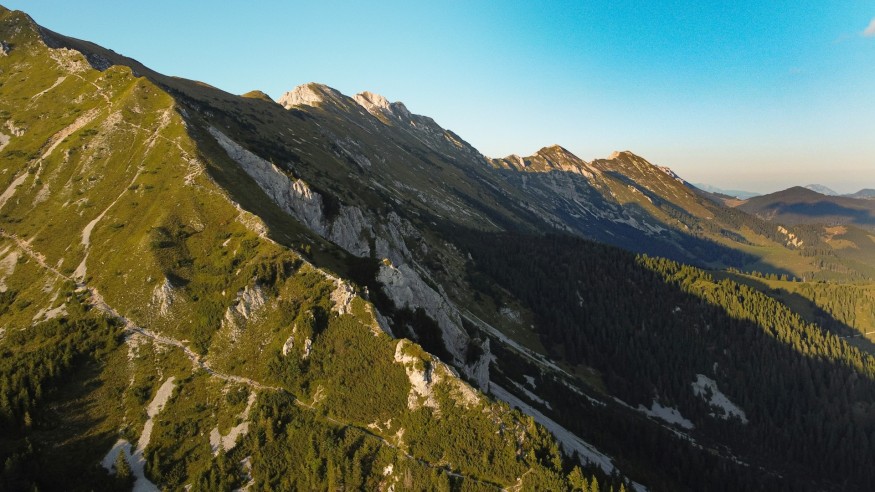
Slovenia sits at the intersection of the Alps, the Mediterranean, and the Balkans, but hiking there rarely feels extreme.
The mountains are impressive, the terrain can be steep, and the landscapes change quickly, yet the overall experience remains manageable. Days feel active without feeling punishing. Routes feel serious without becoming overwhelming. This balance is one of the defining characteristics of hiking in Slovenia.
The country does not try to make the mountains easier, but it does make them easier to move through.
The Terrain Changes Gradually
One reason hiking in Slovenia feels natural is how the terrain transitions. Trails often begin in valleys or forested hills before gradually rising toward higher alpine areas. Instead of sudden changes from flat ground to steep rock, the environment tends to unfold in stages.
This progression allows hikers to adapt physically and mentally as the day develops. Your body warms up during the lower sections before facing more demanding climbs. The mountains reveal themselves step by step rather than all at once.
Over the course of a long hike, these gradual transitions help maintain a steady rhythm.
Forests Regulate the Experience
Large portions of Slovenia's hiking terrain pass through forests. These sections may not appear dramatic on maps, but they play an important role in shaping the experience.
Forests provide shade, soften wind, and reduce exposure. They also break longer climbs into manageable sections. Walking through forest allows hikers to recover slightly before entering open alpine terrain again.
This natural buffering keeps fatigue from building too quickly during the day.
Trails Follow Practical Routes
Many Slovenian hiking trails follow traditional paths that were used long before recreational hiking became popular. These routes were designed for movement between valleys, pastures, and settlements rather than for dramatic viewpoints.
As a result, the trails tend to follow logical lines through the landscape. Climbs develop gradually, switchbacks appear where needed, and steep sections are usually short.
This practical approach makes the walking feel cooperative rather than confrontational.
The Peaks Remain Optional
Slovenia has famous summits, including Mount Triglav, but reaching a peak is not required to enjoy the mountains. Many routes offer excellent views without involving technical terrain or exposed climbing.
This flexibility allows hikers to adjust the level of difficulty depending on their experience and energy. Some days might include a summit. Other days might focus on valleys, ridges, or alpine pastures.
Because the landscape offers many possibilities, the experience rarely feels forced.
Villages Keep the Landscape Grounded
Slovenia's mountain regions are still closely connected to rural life. Villages, farms, and small roads appear regularly along hiking routes.
These places provide food, rest, and orientation points during longer walks. They also remind hikers that the mountains are part of a living landscape rather than a remote wilderness.
This connection keeps the experience balanced. Even when walking through higher terrain, support is never far away.
Navigation Is Clear
Slovenia uses a consistent trail marking system, usually involving red and white circles painted on rocks, trees, and signposts. Once hikers understand the markings, following a route becomes straightforward.
Clear navigation reduces mental fatigue. Instead of constantly checking maps or second-guessing decisions, hikers can focus on pacing and terrain.
This simplicity helps make longer days feel smoother.
Intensity Is Optional
One of Slovenia's strengths is flexibility. Ambitious hikers can link demanding routes, climb higher peaks, or extend distances between stops. Others can choose gentler trails that still offer impressive scenery.
Because intensity is not imposed by the landscape, hikers can shape the experience to match their own pace.
This adaptability is one reason Slovenia hiking tours appeal to a wide range of travelers. The terrain allows guides to design routes that remain interesting without becoming overwhelming.
A Balanced Mountain Experience
Slovenia may not deliver the most dramatic or extreme alpine terrain in Europe, but that is exactly what makes it appealing. The country offers real mountains combined with an environment that supports steady, sustainable walking.
The terrain unfolds gradually, forests soften the landscape, and villages remain part of the rhythm of travel. Together these elements create an experience that feels balanced from start to finish.
For many hikers, that balance is what makes Slovenia such a satisfying place to explore on foot.
© 2026 NatureWorldNews.com All rights reserved. Do not reproduce without permission.


