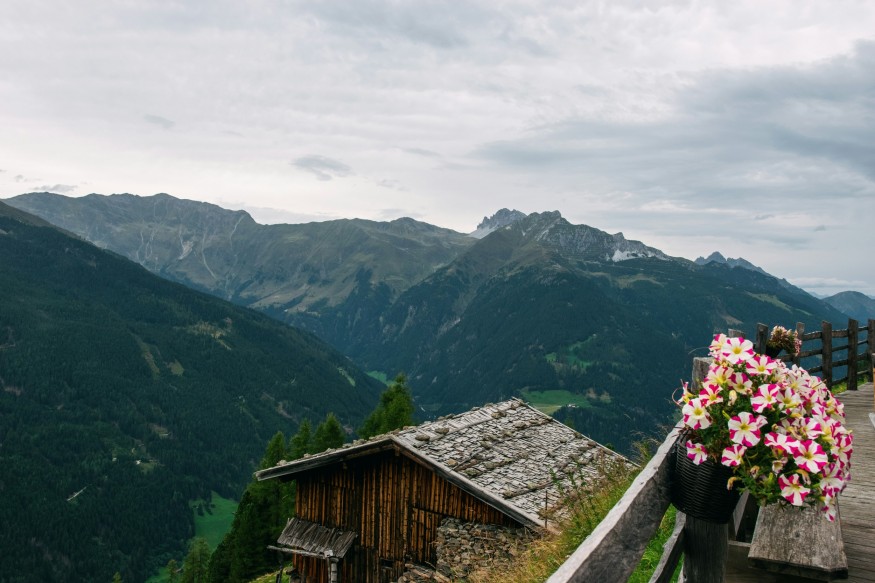
Austria sits in the middle of the Alps, surrounded by regions known for dramatic peaks and demanding routes. Yet hiking in Austria often feels calmer and more manageable than people expect.
The mountains are real, the climbs are serious, and the distances add up, but the experience rarely feels overwhelming. What Austria does differently is simple. It organizes the hiking environment so people can keep walking for days without burning out.
Trails Are Designed for Steady Progress
Austrian trails usually follow natural lines through the terrain. Instead of pushing directly up steep slopes, they climb gradually through switchbacks, forests, and alpine pastures. The terrain still demands effort, but it rarely feels abrupt or punishing.
This makes a big difference on longer trips. When climbs build gradually, your body can settle into a rhythm. You work consistently rather than facing sudden bursts of difficulty. Over multiple days, that rhythm helps prevent fatigue from accumulating too quickly.
The goal is not to remove effort, but to make it sustainable.
Villages and Huts Keep the System Moving
Another reason hiking feels manageable in Austria is the density of huts and villages in the mountains. These places appear at natural stopping points along routes, often after climbs or between valleys.
They provide exactly what hikers need. A place to rest, eat, and recover before continuing the next day. They are not positioned as dramatic destinations, but as practical anchors that support the journey.
Because of this network, hikers rarely need to worry about how they will end the day. The infrastructure supports the rhythm of walking instead of interrupting it.
Navigation Is Simple and Reliable
Austria is also known for its clear trail marking system. Signs at junctions show destinations and realistic walking times, and routes are maintained carefully throughout the mountains.
This clarity removes a lot of unnecessary stress. When you do not need to constantly check maps or question your direction, your attention shifts to pacing and terrain.
The experience becomes calmer. You spend less time solving logistical problems and more time simply walking.
Difficulty Is Honest
In Austria, routes are usually described accurately. If a hike involves a long climb or a demanding distance, that information appears clearly in guidebooks and trail signs.
Because expectations match reality, hikers can manage their energy more effectively. Surprises are rare. You know what the day will ask of you before you begin.
This predictability is important for multi-day hiking. It allows people to maintain a steady pace rather than constantly reacting to unexpected challenges.
Transport Adds Flexibility
Austria also benefits from strong transport connections between mountain regions. Buses, trains, and lifts often connect valleys and trailheads.
This does not replace the hiking itself, but it adds flexibility. If weather turns bad or fatigue sets in, hikers can adjust plans without abandoning a trip entirely.
Knowing that alternatives exist reduces pressure. People walk more comfortably when they know they have options.
A Culture That Favors Consistency
The hiking culture in Austria also encourages a steady approach. Walkers tend to choose routes that match their ability and pace themselves throughout the day.
There is little emphasis on extreme challenges or proving something through difficulty. The focus is on spending time in the mountains and maintaining the ability to continue the next day.
That attitude reinforces the structure already built into the trail system.
Why This Approach Works
Austria may not deliver the most dramatic alpine experience, but it delivers something many hikers value more. Continuity. Days connect naturally. Effort builds gradually. Recovery becomes possible.
This balance is one reason hiking tours in Austria appeal to so many travelers. The environment allows people to experience the Alps without turning every day into a test of endurance.
Austria does not remove the mountains from the experience. It simply organizes them in a way that allows hikers to keep moving through them, day after day, without the journey becoming overwhelming.
© 2026 NatureWorldNews.com All rights reserved. Do not reproduce without permission.


