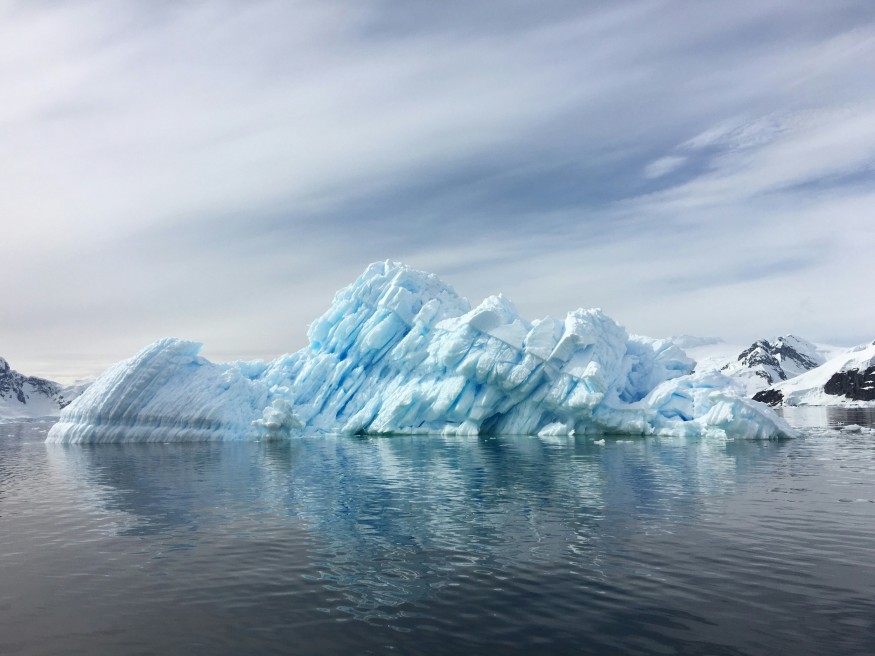
Beneath Antarctica's massive ice sheet lies a world few have seen, preserved for millions of years under 4 kilometers of ice. This frozen landscape hides hidden lakes, vast mountain ranges, and microbial ecosystems that survived extreme isolation, offering clues to both Earth's history and potential life on other planets.
The continent's icy depths contain more than 400 liquid lakes, geothermal hotspots, and mountain ranges like the Gamburtsev Mountains, which remain largely unexplored. Antarctica ice secrets such as Lake Vostok reveal pressurized water, ancient gases, and extremophile microbes, offering a glimpse into untouched ecosystems that act as natural time capsules. These Antarctic mysteries continue to inform climate research, astrobiology, and our understanding of life in extreme conditions.
What Lakes Are Buried Under Antarctica Ice
Antarctica is home to over 400 Antarctica hidden lakes that remain liquid beneath kilometers of ice, maintained by geothermal heat and immense pressure. These lakes, isolated for millions of years, provide unique windows into ecosystems untouched by sunlight, wind, or seasonal changes. The largest of these, Lake Vostok, lies about 4 km beneath Vostok Station in Russia, roughly the size of Lake Ontario, and has been isolated for 15 to 25 million years, offering a natural laboratory for studying life under extreme conditions.
Drilling into Lake Vostok in 1998 penetrated 3,623 meters of ice, revealing pressurized water, ancient atmospheric gases, and extremophile microbes with significant astrobiology implications. Subglacial hydrology shows that these lakes and rivers form interconnected networks spanning nearly 460 miles, affecting ice sheet stability and global sea levels. Smaller lakes, such as Whillans and Ellsworth, further illustrate complex subglacial water dynamics and unique biochemical processes that thrive in total darkness, offering clues about microbial evolution and adaptation in extreme environments.
Why Gamburtsev Mountains Remain Mysterious
The Gamburtsev Mountains stretch 1,200 km beneath 1.8 km of ice, with peaks reaching 2,700 meters, yet their origins remain largely unexplained. These Alpine-scale mountains are completely hidden, preserved under ice that began forming around 34 million years ago, maintaining topography with minimal erosion. Their size, scale, and isolation make them one of the most intriguing geological features of Antarctica, raising questions about plate tectonics and ancient environmental conditions that existed long before the modern ice sheet formed.
Radar surveys reveal that the ice sheet's inception and rapid accumulation preserved these mountains in an erosion-free state, shielding ancient rock formations and landscapes. Ice cores also contain pollen and spores suggesting that 32 million years ago, Nothofagus beech forests thrived here, with temperatures around 17°C warmer and sea levels up to 60 meters higher. The combination of preserved topography and ancient climate indicators makes the Gamburtsev Mountains a critical subject for understanding Antarctic geology, past ecosystems, and the forces that shaped the frozen continent.
What Microbial Life Thrives in Antarctica Hidden Lakes?
Antarctica's hidden landscapes host thriving microbial ecosystems, including extremophiles like bacteria, archaea, and fungi. These organisms survive in total darkness, under high pressure, and at subzero temperatures, often relying on chemical energy rather than sunlight.
- Lake Vostok Microbes – DNA sequencing revealed 3,500 microbial genes, 94% of which represent novel species. These microbes use chemolithoautotrophy, oxidizing hydrogen sulfide and iron to generate energy.
- Subglacial Connectivity – Lakes like Ellsworth and Whillans demonstrate microbial exchange through interconnected water systems, maintaining genetic diversity.
- Adaptations and Evolution – Horizontal gene transfer and unique metabolic pathways allow microbes to survive extreme isolation for millions of years, providing insight into life under conditions similar to those on Mars.
Meteorites and Ancient Landscapes Geological Secrets
Beneath Antarctica's ice, geological treasures extend beyond lakes and mountains. Over 45,000 meteorites have been recovered from areas like Allan Hills in the Transantarctic Mountains, preserved with fusion crusts and cosmic ray exposure data intact.
- Extraterrestrial Insights – These meteorites, originating from Mars and the Moon, offer valuable information about the solar system's history and are remarkably well-preserved due to the ice.
- Dry Valleys as Mars Analogs – Ice-free valleys contain briny groundwater, microbial mats, and ancient lake beds, some preserved for up to 8 million years.
- Paleoclimate Records – Microbial refugia and sediment layers provide detailed records of ancient climates, helping scientists reconstruct Antarctica's environmental history and test models of climate change.
Antarctica Subglacial Secrets Lakes Mysteries Revealed
Buried under Antarctica, Antarctica ice secrets and Antarctica hidden lakes reveal extraordinary geological and biological phenomena. From ancient mountain ranges to isolated microbial life, the frozen continent continues to hold secrets that challenge our understanding of Earth and beyond.
The study of these Antarctic mysteries is crucial for climate science, astrobiology, and geology. As technology advances, researchers are better equipped to explore subglacial lakes, map hidden mountains, and analyze preserved microbes, gradually unlocking the frozen continent's long-held secrets. These findings not only expand our knowledge of extreme ecosystems but also inform predictions for global climate patterns and potential life on other planets.
Frequently Asked Questions
1. How many lakes are buried under Antarctica?
There are over 400 known subglacial lakes beneath Antarctica's ice. Lake Vostok is the largest, with an area similar to Lake Ontario. These lakes are kept liquid by geothermal heat and high pressure. They have been isolated for millions of years, preserving unique ecosystems.
2. What makes the Gamburtsev Mountains mysterious?
The Gamburtsev Mountains are entirely buried under ice and extend 1,200 km with peaks reaching 2,700 meters. Their age and origin remain unexplained, despite radar and seismic studies. The ice has preserved ancient landscapes and geological structures remarkably well. Researchers continue to study them to understand Antarctica's geological history.
3. What type of microbial life exists in subglacial lakes?
Subglacial lakes host bacteria, archaea, and fungi that survive without sunlight. Many rely on chemical reactions like hydrogen sulfide and iron oxidation for energy. DNA sequencing shows most species are novel, adapted to extreme pressure and cold. These microbes provide insight into life in extreme environments and potential extraterrestrial life.
4. Why are meteorites found in Antarctica important?
Meteorites are well-preserved in Antarctica's cold, dry environment. Over 45,000 meteorites have been recovered, including fragments from Mars and the Moon. They provide valuable data on planetary formation and solar system history. Their pristine state allows scientists to study cosmic and geological processes in detail.
Originally published on Science Times
© 2026 ScienceTimes.com All rights reserved. Do not reproduce without permission. The window to the world of Science Times.


