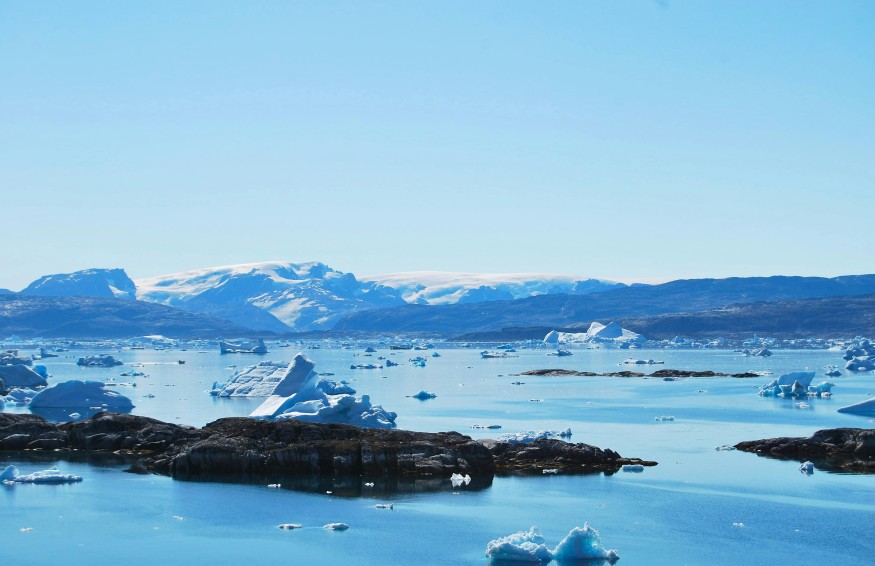
Climate tipping points represent critical thresholds in Earth's climate system where small changes trigger large, often irreversible shifts. These events amplify global warming risks, potentially locking in severe consequences for ecosystems and human societies. Recent research suggests humanity may be approaching several of these points faster than scientists once predicted, raising urgent questions about our trajectory.
Understanding Climate Tipping Points
Climate tipping points occur when interconnected elements of the planet—like ice sheets, forests, and ocean currents—reach a state of instability. Beyond this threshold, the system self-perpetuates damage through feedback loops, independent of further external forcing. For instance, melting permafrost releases methane, a potent greenhouse gas that accelerates warming even more.
Scientists identify nine major tipping elements susceptible to global warming risks. Early models from the early 2000s assumed these shifts required 3-5°C of warming, painting a picture of distant threats. However, refined observations from satellites and field data have revised those estimates downward. A Yale Environment 360 feature highlighted how overshooting 1.5°C even briefly could push multiple systems past recovery, underscoring the narrowing window for action.
This reassessment stems from better accounting for regional variations and compounding stressors like ocean acidification. Global warming risks intensify as these points near, with potential for cascading effects where one failure triggers others, such as ice loss destabilizing ocean currents.
Tipping Elements Under Immediate Threat
Climate tipping points include:
- Greenland ice sheet collapse: Risks irreversible meltdown at 1.5°C, committing the world to several meters of sea-level rise over centuries.
- West Antarctic ice sheet: Warm ocean waters erode its underbelly, accelerating instability near 1.5°C.
- Atlantic Meridional Overturning Circulation (AMOC): Shows 15% slowdown since mid-20th century; potential halt around 2°C disrupts global weather and agriculture.
- Coral reefs: Near-total loss by 1.5°C from bleaching, threatening ocean biodiversity and $36 billion in coastal economies.
- Arctic permafrost thaw: Could release 150 billion tons of carbon by 2100, doubling atmospheric levels and fueling more warming.
- Amazon rainforest dieback: Drought and deforestation push toward savanna, releasing 90 billion tons of stored carbon.
- Boreal forest shift: Early browning in Canada and Russia turns carbon sinks into sources.
These elements don't operate in isolation. NRDC analyses note interconnections mean one breach heightens risks for others, creating domino effects that older predictions overlooked.
Why Timelines Have Shifted Closer
Improved modeling techniques explain the accelerated timeline. Older simulations underestimated feedback strength, like how retreating sea ice exposes darker ocean waters that absorb more heat. Newer assessments incorporate real-time data from ice cores, tree rings, and buoys, revealing sensitivities at lower warming levels.
At current rates, global temperatures could hit 1.5°C permanently within a decade. Brief overshoots—peaking higher before declining—still carry dangers; a Cicero Oslo study emphasized that warming must peak below 2°C to safeguard most tipping points. Observations confirm the shift: Arctic summer sea ice has shrunk 13% per decade since 1979, and Greenland ice loss hit 420 billion tons yearly recently.
Human factors compound this: deforestation removes natural buffers, while aerosol reductions boost warming. These revelations mean climate tipping points loom larger in near-term global warming risks than scientists expected just five years ago.
Read Also: Ocean Dead Zones: How Marine Oxygen Depletion Threatens Fish, Crustaceans, and Ecosystems
Far-Reaching Consequences of Breaching Thresholds
Crossing even one tipping point unleashes profound changes. Greenland's full melt contributes 7 meters to sea levels, submerging cities like Miami. AMOC disruption cools Europe by 3-5°C, slashes Indian monsoon rains by 20%, and spikes Sahel droughts.
Permafrost carbon bomb pushes warming into runaway territory. Amazon loss dries neighboring regions, hitting food production. Coral collapse guts fisheries for 1 billion people. Cascades amplify devastation: methane fuels fires, which spew black carbon on ice. Economists estimate 2-10% GDP losses annually post-tipping. Vulnerable populations—small islands and equatorial farmers—face the worst.
Strategies to Steer Away from the Edge
- Halve emissions by 2030: Reach net-zero by 2050 through rapid renewable scaling—solar and wind already power 12% of global electricity at lower costs than fossils.
- Reforest and restore: Recapture carbon via intact forest protection and soil efforts, stabilizing sinks like the Amazon.
- Implement carbon pricing: Europe's system cut emissions 9%; expand globally with subsidies shifting trillions from fossils.
- Enhance monitoring: Use satellites and AI for early warnings on ice and forests, paired with resilient infrastructure like seawalls and drought-proof crops.
Individual actions like plant-based diets (slashing personal emissions 70%) and climate-focused voting drive change. International pacts must tighten with trade pressures on holdouts.
Charting the Path Ahead Amid Global Warming Risks
Real-time monitoring provides early warnings for climate tipping points. Investments in resilient infrastructure buy time while emissions fall. Collaborative science refines models, evolving strategies with evidence.
Focusing on climate tipping points sharpens efforts against global warming risks, fostering innovation and unity. Swift steps today preserve options for tomorrow's generations.
Frequently Asked Questions
1. What are climate tipping points?
Climate tipping points are thresholds in Earth's systems—like ice sheets or rainforests—where warming triggers self-reinforcing changes that become irreversible, amplifying global warming risks.
2. How close are we to major tipping points?
Current warming at 1.1-1.2°C already stresses coral reefs and permafrost; several elements like Greenland ice and the Amazon risk crossing at 1.5°C, faster than older 3-5°C predictions.
3. Which tipping elements face the highest global warming risks?
Key ones include Greenland and West Antarctic ice sheets, AMOC slowdown, Amazon dieback, Arctic permafrost thaw, coral reefs, and boreal forest shifts, as bulleted in the article.
© 2026 NatureWorldNews.com All rights reserved. Do not reproduce without permission.


