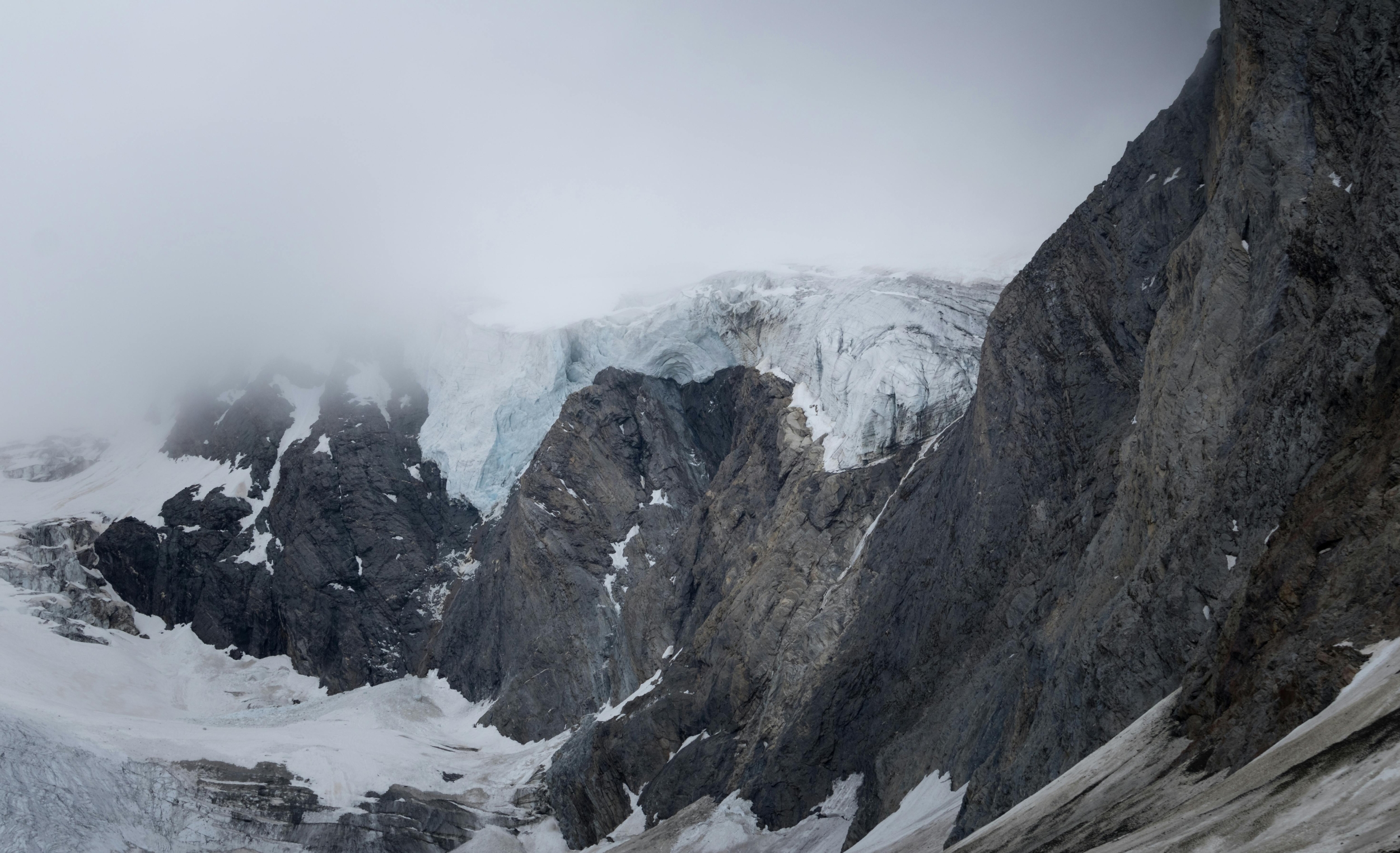
Austrian glaciers undergo unprecedented structural disintegration as intensifying climate change accelerates ice loss across the Alps, with 94 out of 96 closely monitored ice fields shrinking dramatically over the past year.
Austrian Glaciers Shrinking Fast
The Austrian Alps hold some of Europe's most stunning glaciers, drawing hikers and skiers for generations. Yet the Austrian Alpine Club's latest annual report delivers sobering data on 96 key glaciers monitored nationwide. All but two retreated over the past year, with average losses exceeding 20 meters in length, area, and volume. This goes beyond routine melting—many now fracture dramatically, revealing exposed rock ledges and collapsing tongues that scientists label structural disintegration. The shift reflects decades of data showing relentless ice decline across the region.
Climate Change Fuels the Meltdown
A cascade of harsh weather sealed the fate for these ice masses. Warm winters delivered scant snow, stripping protective cover from vulnerable surfaces. Early summer turned brutal, with June temperatures nearly 5°C above average, hammering the ice further. High-altitude monitoring stations clocked 2°C over long-term norms throughout the year. Gerhard Lieb, a lead glacier monitor, calls these "extremely unfavourable" conditions, pointing out that glaciers shed mass so rapidly even short cool periods—like July 2025—offer no real respite. Progressive warming strikes the Alps with outsized force, transforming gradual retreat into outright collapse.
Hardest-Hit Glaciers Emerge
Certain glaciers bear the brunt, underscoring the crisis's scale. The Alpeiner Ferner in Tyrol lost a staggering 114.3 meters in length alone. Stubacher Sonnblickkees in Salzburg trailed closely at 103.9 meters. Austria's largest, the Pasterze in Carinthia, edges toward crisis—its massive tongue shows clear signs of breaking off, potentially splitting the entire glacier into two within years. Andreas Kellerer-Pirklbauer from the University of Graz warns that breaking ice and emerging rockfalls now redefine Alpine landscapes.
- Alpeiner Ferner (Tyrol): 114.3m length loss.
- Stubacher Sonnblickkees (Salzburg): 103.9m length loss.
- Pasterze (Carinthia): Ongoing tongue collapse, risk of splitting.
Alpine Hazards Rise Sharply
As ice vanishes, steep slopes destabilize, unleashing rockfalls, outburst floods, and landslides that threaten remote villages and trails. Roads, dams, and ski lifts face growing peril, while downstream water for hydropower and farming runs low. The BBC detailed this stark pivot, sharing expert insights on climate change sparking extreme weather across the Alps right now. AP News amplified the urgency, spotlighting the "dramatic development" gripping nearly every glacier tracked.
Austria Adapts to Ice-Free Future
Nicole Slupetzky, Austrian Alpine Club vice-president, makes it clear: preserving glaciers as they once existed sits beyond reach. Euronews coverage backs this view, forecasting widespread ice loss in coming decades. Local leaders prioritize hazard mapping, reinforced infrastructure, and community alerts to shield lives and tourism economies. Researchers push for global emission cuts alongside on-the-ground resilience, as these mountains brace for permanent change.
© 2026 NatureWorldNews.com All rights reserved. Do not reproduce without permission.


