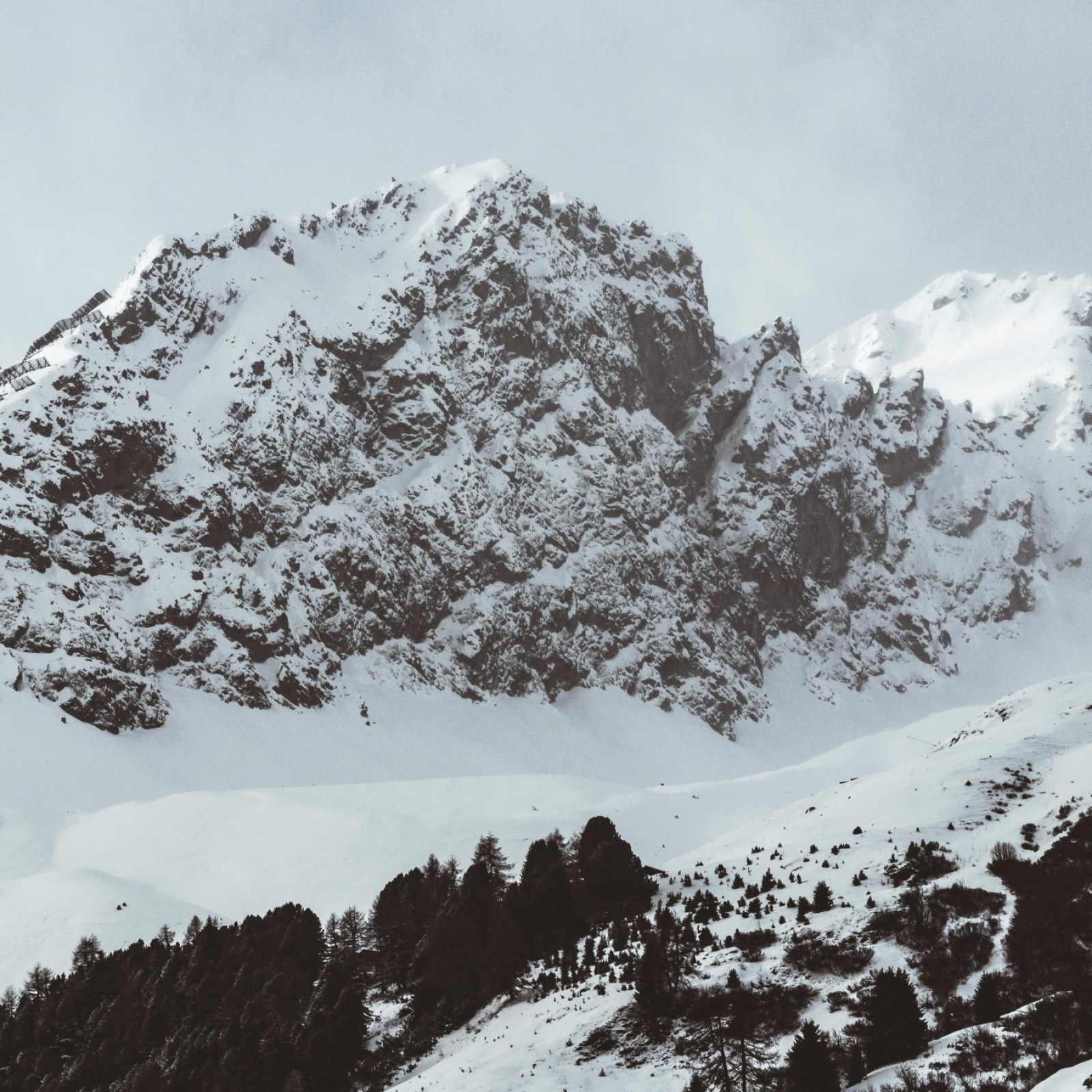
Rising temperatures force ski resorts across Europe to shutter early, yet leave backcountry skiers facing sharper avalanche threats this winter. Avalanches and climate change collide as thin snowpacks hide deadly weak layers, with 99 deaths recorded in the Alps by mid-February 2026—nearing the annual average already.
Avalanches in the Alps
Avalanches strike when snow layers slip on slopes steeper than 30 degrees, sparked by a snowboard's edge or gust. In Europe, they claim about 100 lives yearly, mostly off-piste adventurers triggering their own slides, The Guardian reported. This season's tally hit 99 by February's midpoint, despite resorts closing from snow shortages—half of Europe's 2,200 ski areas face dire supply risks under 2°C warming.
Limited early snow fosters persistent weak layers, which are buried under later storms, creating unstable slabs. Experts like Nicolas Eckert from Université Grenoble Alpes note that most incidents stem from human actions on these fragile setups. Giacomo Strapazzon at the Mountain Clinic adds that unfamiliar recreationists often ignore bulletins, amplifying exposure as crowds shift off groomed runs.
Climate Change Avalanche Risk
Climate change is increasing avalanche risk through warmer air's increased moisture pull, fueling larger high-elevation dumps even as seasons shrink. Studies project fewer dry avalanches overall but more wet, dense ones that pack extra force and reach farther. Elias Zubler from Switzerland's weather office warns of intensified core-winter events above treeline, hitting skiers hardest.
Fatality trends hold steady over decades—87 in 2023-24, 70 in 2024-25—thanks to beacons and faster rescues, not climate alone. Kurt Winkler from Switzerland's Snow Institute credits forecasts for helping offset booming ski touring. Yet less snow avalanche danger lurks: thin bases from poor starts fail easily, as seen in recent Italian and Austrian slides amid level 4-5 warnings.
Less Snow Avalanche Danger
Less snow avalanche danger tricks many into complacency, but shallow packs expose weak facets to collapse under fresh loads. Resorts like those in Oregon's Cascades halted indefinitely this February, base depths at historic lows, pushing traffic to wild terrain. Europe's pattern mirrors this: warm rains soak thin snow into slushy threats, shifting slides earlier and lower.
Recreation surges test the balance—triple the touring days in Switzerland, steady deaths via tech offsets. Watch for crust breaks or roller balls on sunny aspects; bulletins from EAWS flag these shifts tied to avalanches and climate change. Groups gear up with transceivers and airbags, probing stability before drops.
Navigating Shifting Mountain Threats
Backcountry users check daily warnings, dodge wind slabs post-storm, and bail on thaw signs. Climate-driven changes demand reading wet-snow cues amid less snow avalanche danger. Alps incidents this winter underscore the need: stay sharp where thin cover hides real peril.
© 2026 NatureWorldNews.com All rights reserved. Do not reproduce without permission.


