Recent expeditions plunging into the Pacific Ocean's uncharted depths have pulled up evidence of dozens of potential new species. These deep sea creatures discoveries peel back layers on ocean biodiversity, revealing ecosystems teeming with life scientists barely knew existed.
What New Deep-Sea Creatures Were Discovered?
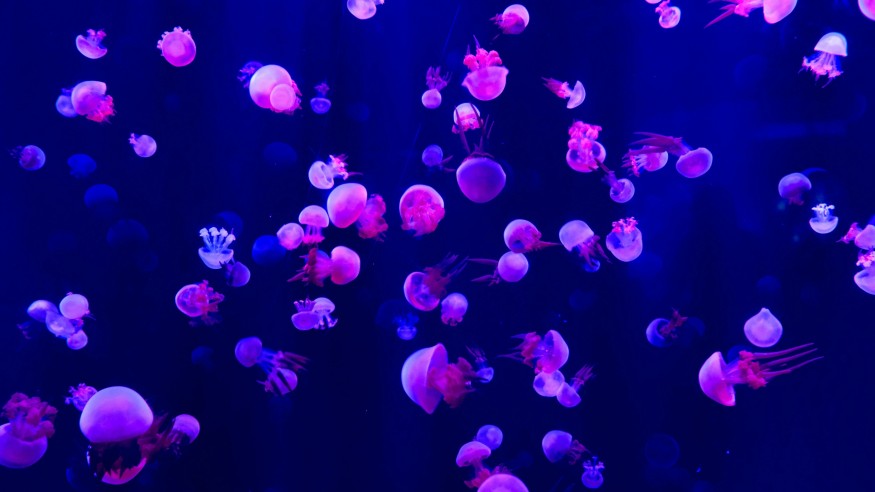
Exploration teams surfaced with images and samples of bizarre life forms thriving thousands of meters below the waves. Spiky squat lobsters, armored like medieval knights, scuttled across rocky outcrops, their pincers glinting under ROV lights. Translucent glass squids drifted like ghostly veils, their bodies nearly invisible in the inky blackness, pulsing with bioluminescent flickers to snag prey.
Vibrant sea sponges clung to seamount walls, unfurling in electric blues and fiery oranges—colors defying the deep's reputation for drabness. Cactus urchins, spiny orbs rarer than a blue moon in marine records, dotted the seafloor alongside red fish that "walked" on finned limbs, probing sediment for morsels. Dumbo octopuses flapped ear-like fins, evoking the cartoon elephant, while polka-dot variants from shallower twilight zones added whimsy to the haul.
These weren't one-offs. Surveys tallied over 100 potential new species, from ancient corals resembling fossilized trees to gelatinous blobs pulsing with unknown rhythms. Each find chips away at the estimate that 91 percent of ocean species remain undescribed, fueling excitement around deep sea creatures discovery.
Where in the Pacific Ocean Were They Found?
The spotlight fell on the Salas y Gómez and Nazca ridges, stark seamount chains rising from the southeastern Pacific seafloor off Chile and Peru. These underwater mountains, some taller than Everest from base to peak, pierce depths over 4,500 meters where sunlight never reaches. Nutrient-packed currents swirl around them, supercharging productivity and drawing a parade of life.
ROVs descended into sheer canyons and lava-sculpted plateaus, capturing footage of thriving coral gardens untouched for millennia. Nearby trenches amplified the drama—Japan's recent deep-ocean push off its coast yielded dozens more oddities from similar abyssal realms. Guam's twilight zone reefs, hovering at 330 feet, chipped in with orange cardinalfish schools and polka-dot octopuses, bridging the gap between sunlit shallows and true abyss.
These hotspots aren't isolated. They stitch into vast networks influencing surface waters, where migratory tuna and sharks feast on spillover bounty. Ocean biodiversity here pulses with connections, making every dive a window into planetary health.
Why Are These Deep Sea Creatures Discoveries Vital for Ocean Biodiversity?
Picture ecosystems fine-tuned for extremes: crushing pressure flattening steel, temperatures hovering near freezing, food so scarce creatures glow to hunt or mate. The Pacific's ridges host specialists—sponges filtering invisible plankton, corals anchoring food webs for generations. These deep sea creatures discoveries explode estimates of global species counts, hinting millions more lurk unnamed.
Biodiversity hotspots like these underpin resilience. Corals shelter juveniles of commercial fish, stabilizing fisheries worth billions. Lose them, and ripples hit dinner plates worldwide. Conservation International highlighted similar past hauls with over 100 novelties from Pacific expeditions, each underscoring links between abyss and surface.
Yet knowledge lags. With 80 percent of the ocean unmapped, these finds spotlight gaps—vital for grasping climate impacts, as warming stirs deep currents carrying heat and carbon. Ocean biodiversity isn't abstract; it's the planet's unsung stabilizer.
Read Also: Ocean Warming's White Plague: The Alarming Reason Bleached Corals Struggle to Bounce Back
How Do Scientists Explore Deep-Sea Creatures?
Diving deep demands ingenuity. Remotely operated vehicles (ROVs), tethered to ships like mechanical umbilical cords, prowl with 4K cameras and robotic arms. They scoop samples into chilled chambers, preserving fragile squid mantles for DNA sequencing back on deck.
Autonomous reef monitoring structures (ARMS) sit like artificial sponges, snaring colonizers over months for later dissection. Baited cameras, dropped like deep-sea traps, lure shy hunters into frame—snapping proof of glass squid ambushes or urchin herds. The Schmidt Ocean Institute's Falkor vessels pioneered many such runs, their live streams drawing global audiences to witness first contacts.
Challenges abound: signals lag minutes at full depth, currents snag gear, bioluminescence plays tricks on sensors. Still, tech evolves—AI now sifts footage for rarities, accelerating deep sea creatures discovery. Teams layer sonar maps with genetic barcodes, painting fuller portraits of ocean biodiversity.
What Threats Do Deep-Sea Creatures Face?
Deep-sea mining leads the charge against these fragile worlds, vacuuming up mineral-rich nodules and churning sediment plumes that blanket life for kilometers.
- Mining operations slash animal numbers by up to 37 percent and species diversity by 32 percent in test zones like the Clarion-Clipperton Zone.
- Sediment clouds from machinery smother corals, worms, and crustaceans, disrupting food chains that reach surface fisheries.
- Ocean warming bleaches ancient corals and alters currents, stressing reproduction in slow-growing deep-sea species.
- Acidification dissolves shells of urchins and mollusks, weakening populations already sparse.
- Plastic pollution and chemical runoff sink to trenches, poisoning filter feeders in remote habitats.
NPR covered some of these new Pacific species in late 2025, tying discoveries to rising threats. Regulatory patchwork lags: some ridges gained temporary safeguards, but vast swaths remain open. Science Daily reports noted hundreds of novelties from hidden Pacific underbellies, amplifying calls for baselines before bulldozing begins. Balancing tech hunger with ocean biodiversity demands swift, science-led moves.
Key Takeaways from Latest Deep Sea Creatures Discoveries
Fresh deep sea creatures discoveries from Pacific ridges reshape ocean biodiversity narratives, blending awe with urgency. Spiky lobsters, walking fish, and glowing squids remind us the abyss holds secrets key to Earth's balance. As mapping accelerates, protections must keep pace—ensuring these realms endure for tomorrow's explorers.
Frequently Asked Questions
1. What are the newest deep sea creatures discovered in the Pacific Ocean?
Spiky squat lobsters, translucent glass squids, cactus urchins, and walking red fish stand out from recent 2025 expeditions on Salas y Gómez and Nazca ridges. Over 100 potential new species, including vibrant sponges and dumbo octopuses, await genetic confirmation.
2. Where exactly were these deep sea creatures found?
Primarily on the Salas y Gómez and Nazca ridges southeast of Chile and Peru at depths over 4,500 meters. Guam's twilight zone reefs at 330 feet also yielded polka-dot octopuses and orange cardinalfish.
3. Why do these discoveries matter for ocean biodiversity?
They reveal specialized ecosystems supporting global food webs, with corals sheltering commercial fish. These hotspots highlight that 91% of ocean species remain undescribed, aiding climate resilience insights.
© 2026 NatureWorldNews.com All rights reserved. Do not reproduce without permission.


