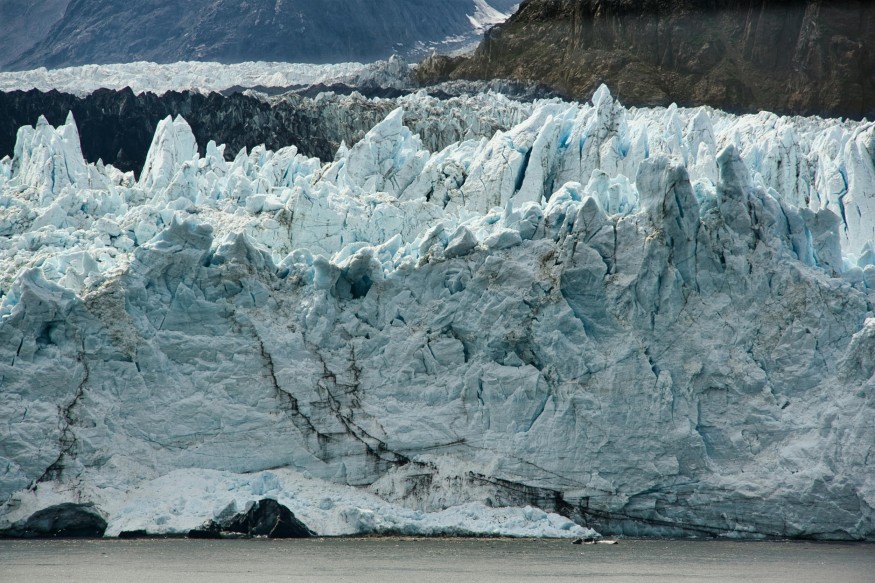
Melting glaciers peel back Earth's frozen secrets, exposing climate records trapped in ice for millennia. Scientists pull ice core data from these retreating giants to map temperature shifts, gas levels, and ancient weather patterns. This evidence spans ice ages and warm spells, showing how today's fast melt fits into—or breaks from—the planet's past. Greenland's ice sheet alone sheds 270 billion tons yearly, enough to raise seas by nearly a millimeter annually.
Each exposed layer holds air bubbles from thousands of years ago, plus dust, pollen, and isotopes. These climate records reveal CO2 fluctuations, volcanic impacts, and even solar activity echoes. Understanding ice core data helps predict sea-level rises, extreme weather, and ecosystem shifts ahead. Remote mountain glaciers, like those in the tropics, add unique regional insights to the global picture.
Why Are Glaciers Melting So Fast?
Rising temperatures melt more ice than snowfall replaces, tipping the balance. Global warming has shrunk glaciers by about 30% since 1980 across key regions like the Alps, Himalayas, and Patagonia. Human emissions from cars, factories, and deforestation trap extra heat in the atmosphere, overriding slower natural cycles such as Earth's wobble or volcanic cooling.
Oceans amplify the damage. Warmer surface waters, absorbing 90% of excess heat, flow under glacier tongues and melt them from below. In Antarctica, Thwaites Glacier—doomed to rapid collapse—could alone raise seas 65 cm if fully lost. Up north, in 2023, Alaska's glaciers dumped enough ice to blanket Texas under 4 feet of water, fueling local floods.
Black carbon from wildfires and industry lands on white ice, darkening it like ash on snow. This cuts reflectivity, so surfaces absorb more sunlight and melt quicker. Feedback loops kick in: Less ice means less cooling reflection, hastening more melt. Tropical glaciers, smaller and more vulnerable, have lost half their area since the 1970s.
NASA's satellite data backs this up, showing quicker losses lately, with mountain glaciers down 7% per decade.
Communities feel it first. Swiss villages relocate as permafrost thaws under shrinking ice, and Andean farmers face erratic water flows.
Ice Core Data Reveals About Past Climates
Glaciers compress snow into ice over centuries, creating annual bands like tree rings. Each layer traps air, dust, and chemicals from that year's atmosphere. Ice core data from deep drills, like Greenland's 3-km GISP2 project, stretches back 123,000 years, while Antarctica's EPICA core hits 800,000.
CO2 levels in bubbles stayed below 300 ppm for nearly a million years—until industrial times spiked it to 420 ppm. The Last Glacial Maximum, 20,000 years ago, locked Earth in deep freeze: Polar temperatures 5-6°C cooler, seas 120 meters lower, with ice sheets covering Canada.
Bubbles confirm low methane from tundra lockup, while isotopes track rain patterns—lighter oxygen signals warmer, wetter times. Dust spikes reveal arid winds whipping across ice-free plains.
Warmer eras shine through. The Eemian interglacial, 125,000 years back, matched today's CO2 but saw hippos roam England's rivers and seas 6-9 meters higher from partial melt. Our Holocene kicked off 11,700 years ago, warming steadily to nurture agriculture.
Ice core data flags abrupt changes too. Dansgaard-Oeschger events yoyoed Greenland's climate 10-15°C in decades, likely from Atlantic current flips. Meltwater pulses drowned coasts. Younger Dryas, a millennium-long chill 12,900 years ago, followed mammoth extinctions.
Melting glaciers unearth these climate records in new spots—the Alps spit out Bronze Age artifacts beside ice cores, Andes sites yield Inca-era pollen. Volcano layers date precisely: Tambora's 1815 ash matches the "year without summer."
Glacier Melt Signals Urgent Climate Risks
Exposed ice core data warns of tipping points crossed before. Past CO2 feedbacks melted vast ice, driving 70-meter sea swings over eons; today's rate risks 1-2 meters by 2100. Greenland's cores show instability thresholds near.
Freshwater pulses from glaciers feed 2 billion people via rivers like the Indus and Yangtze. Himalayan melt, peaking mid-century, could flip to shortages, sparking conflicts. Peru's Cordillera Blanca already sees dry spells hurting crops.
Glacial lake outbursts flood downstream: Iceland's 2024 event swept bridges away. Marine heatwaves erode Antarctica faster, committing locked melt.
Habitats scramble. Pikas vanish from Rockies as snowlines rise; krill under thinning sea ice starve penguins. Carbon release from thawing permafrost loops back more warming. That Nature paper spells out Greenland's thaw patterns well, matching ice core hints.
Engineers build higher dams, but nature's pace outruns fixes. Island nations like Tuvalu eye relocation.
Ice Core Lessons for Tomorrow's World
Ice core data from melting glaciers underscores unmatched warming speed—10 times post-ice-age rates. Historical patterns guide forecasts: Curb emissions to dodge irreversible Antarctic flips and meter-scale seas. These frozen archives, vanishing fast, demand swift protection for water security and climate wisdom.
Frequently Asked Questions
1. Why are glaciers melting faster now?
Glaciers melt faster due to human-driven warming from greenhouse gases, warmer oceans eroding bases, and soot darkening surfaces. This outpaces natural snow buildup, with 30% volume loss since 1980.
2. What do glaciers reveal about past climates?
Glaciers preserve climate records in layered ice, showing CO2 below 300 ppm for 800,000 years, ice ages with 5-6°C cooler poles, and sudden warm-cold flips like Dansgaard-Oeschger events.
3. How is ice core data extracted and analyzed?
Scientists drill cores up to 3 km deep, then measure isotopes for temperature, trapped gases for CO2/methane, and dust for aridity. Tools like mass spectrometers reveal annual details spanning millennia.
4. What risks come from melting glaciers today?
Risks include sea-level rise up to 1-2 meters by 2100, water shortages for 2 billion people, outburst floods, and ecosystem shifts as species reach habitat limits.
5. Can ice core data predict future climate?
Yes, it highlights tipping points like past CO2 feedbacks causing big melts. Today's rapid warming—10x faster than recoveries—warns of locked-in changes without emission cuts.
© 2026 NatureWorldNews.com All rights reserved. Do not reproduce without permission.


