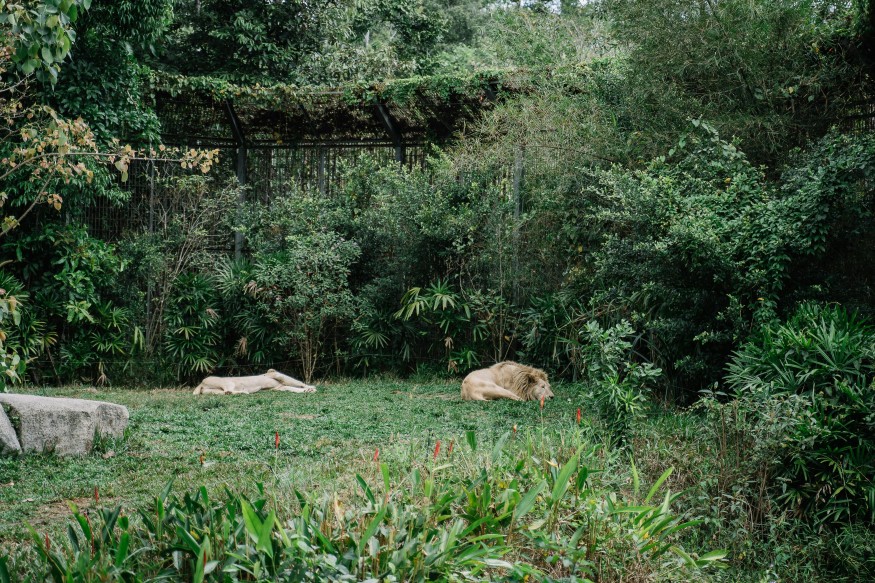
Habitat fragmentation carves wild landscapes into isolated pockets, stranding animals amid expanding human footprints. Roads, farms, and urban zones drive this pervasive biodiversity threat, severing essential pathways for movement and survival. Wildlife corridors offer a targeted remedy, stitching fragments back into functional ecosystems.
What Causes Habitat Fragmentation and Its Wildlife Toll?
Human expansion triggers habitat fragmentation at an alarming pace. Highways plow through forests, creating barriers wider than many animals dare cross. Urban sprawl engulfs wetlands and meadows, replacing them with concrete grids. Agriculture demands vast clearings for monocrops, erasing diverse grasslands overnight.
Logging operations widen the wounds, felling swaths that disrupt migration routes. Energy infrastructure like pipelines and wind farms adds remote scars. Conservation International reports that roughly 50% of the planet's habitable land now shows fragmentation signs, with global roads totaling 40 million miles—prime interceptors for wildlife.
The toll mounts swiftly. Small habitat patches trap populations, starving them of space and genetic exchange. Edge zones expose interiors to harsh weather, predators, and invasive species, while streams fragment and dry. Florida panthers serve as a stark example: by the 1990s, sprawl confined them to Everglades remnants, slashing numbers to just 30 amid crippling inbreeding. Koalas in Australia face similar fates, with thousands lost to roads in fragmented eucalyptus zones yearly.
Why Does Habitat Fragmentation Create a Biodiversity Threat?
Fragmentation unravels entire ecosystems, amplifying the biodiversity threat beyond isolated losses. Pollinators bypass barriers, leaving plants unfertilized and herbivores without forage. Predators forfeit hunting ranges, sparking unchecked prey surges that overgraze remnants.
A Nature journal analysis reveals species in fragmented areas face 2–3 times higher extinction risks, with tropical regions hit hardest. Amazon deforestation has chopped up 20% of its forests, accelerating declines in birds, insects, and mammals. Edges exacerbate issues: gusts desiccate soils, non-natives invade, and native flora fades.
Adaptations emerge but falter. Urban crows expand foraging via power lines, foxes pilfer suburbs. Yet large mammals struggle—India's tigers prowl halved territories behind fences, elephants navigate deadly gaps. Climate shifts demand range adjustments that barriers thwart, compounding long-term collapse. World Wildlife Fund data confirms species vanish 13 times faster in these broken systems.
Proven Fix for Fragmented Landscapes
Wildlife corridors directly counter habitat fragmentation by linking patches. Elevated overpasses span multi-lane highways, underpasses dive beneath, and vegetated belts snake through farmlands, tailored to local species' needs.
Banff National Park exemplifies success with 44 engineered crossings installed since 1996. Grizzly bears, wolves, and deer traverse safely, reducing roadkill by 80% and invigorating populations through gene flow. South Africa's expansive fenced corridors integrate reserves over 500 kilometers, enabling lions, elephants, and rhinos to roam seasonally.
IUCN research underscores the gains: connected habitats sustain 30% more species than isolates. These pathways support migrations, buffer against fires or droughts, and rebuild food webs. Design matters—guiding fences, channel traffic, native vegetation draws users, motion cameras gauge effectiveness. Urban greenways pull double duty, enhancing city biodiversity while aiding wildlife.
Borneo's arboreal bridges ferry orangutans above palm oil plantations, stabilizing troops. Investments yield returns via ecotourism revenue and averted extinctions, proving corridors scale economically.
Steps Forward to Restore Wildlife Connectivity
Practical measures accelerate recovery. Plant native buffer zones ringing fragments to soften edges and ease crossings. Revise zoning laws to safeguard corridors from development creep.
Technology sharpens efforts: drones survey fragmentation gaps, AI models pinpoint intervention sites. Community-driven greenways transform suburbs into conduits. U.S. projects like salamander overpasses under highways demonstrate scalable wins.
International frameworks, including UN biodiversity targets, prioritize mapping and repairing hotspots. Restoration amplifies resilience—reconnected systems weather disturbances better, sustaining life across scales.
Reconnecting Wild Spaces to Save Species from Collapse
Habitat fragmentation fuels a profound biodiversity threat, yet wildlife corridors demonstrate reversibility. Panthers reclaim territories, grizzlies flourish anew. Through deliberate connectivity and policy shifts, ecosystems regain vitality, ensuring wildlife endures.
Frequently Asked Questions
1. What exactly is habitat fragmentation?
Habitat fragmentation occurs when large, continuous ecosystems break into smaller, isolated patches due to human activities like road-building or farming. This creates barriers that limit animal movement and resources, intensifying the biodiversity threat.
2. Why is habitat fragmentation a major biodiversity threat?
It isolates populations, reduces genetic diversity, and disrupts food chains, leading to faster species loss. Fragmented areas lose species up to 13 times quicker than intact habitats, as edges expose wildlife to predators, invasives, and harsh conditions.
3. How do wildlife corridors help combat habitat fragmentation?
Wildlife corridors connect isolated patches via overpasses, underpasses, or green strips, allowing safe passage for migration and breeding. They restore gene flow and ecosystem balance, as seen in Banff National Park where crossings cut roadkill by 80%.
4. Can animals adapt to habitat fragmentation on their own?
Some species adapt short-term, like urban foxes scavenging in cities, but most fail long-term. Large mammals need vast ranges that fragments can't provide, raising extinction risks 2-3 times higher without intervention.
5. What are practical ways to reduce habitat fragmentation?
Plant native buffers around patches, enforce zoning to protect corridors, and build wildlife crossings. Community greenways and tech like drones for mapping also mend gaps effectively.
6. Where have wildlife corridors succeeded against biodiversity threats?
Banff National Park in Canada revived grizzly populations. South Africa's fenced corridors support lions across reserves, while Borneo's canopy bridges aid orangutans, proving connectivity boosts species retention by 30%.
© 2026 NatureWorldNews.com All rights reserved. Do not reproduce without permission.


