Spot a red fox darting through a park or a falcon circling skyscrapers? These everyday sights show urban wildlife reshaping lives amid human sprawl. Animal adaptation to city ecosystems highlights nature's knack for turning challenges into opportunities. Species tweak behaviors, bodies, and genes to claim niches in concrete jungles, from trash-strewn alleys to rooftop gardens. This piece dives into common city dwellers, their clever changes, and paths to better coexistence.
Urban Wildlife and Their City Survival Tactics
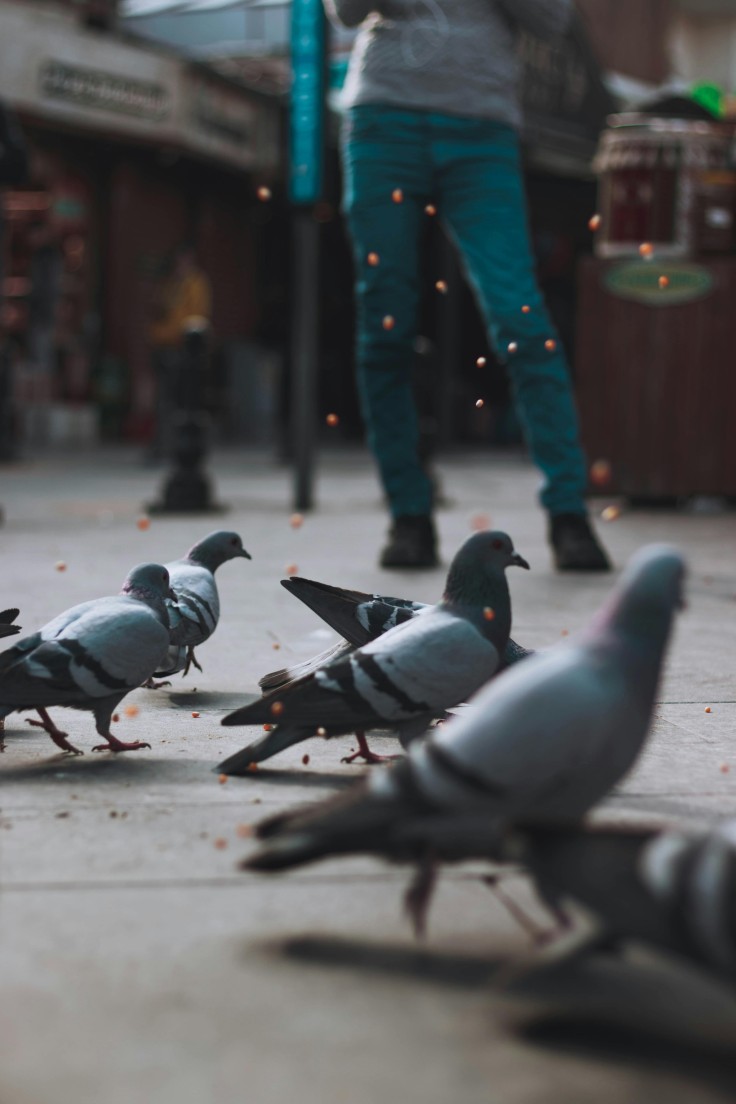
City ecosystems teem with adaptable urban wildlife. Pigeons dominate sidewalks, pecking at dropped snacks in places like New York. Rats weave through sewers, while squirrels scamper along wires in London parks. Foxes and raccoons raid bins at night, raccoons earning their "trash panda" nickname with paw skills that pop lids.
Coyotes stake claims in Los Angeles suburbs, their howls echoing suburbs. A University of Washington study pegs Chicago's urban coyote biomass matching rural wolf packs. These animals exploit city ecosystems perks: endless human scraps as food, leaky faucets for water, derelict buildings for dens. Populations boom—Birmingham foxes number six times more than countryside kin, per UK wildlife surveys. It's animal adaptation in action, flipping urban hazards into homes.
Animal Adaptation Powers Urban Wildlife Success
Animal adaptation spans behaviors, physiques, and DNA. Urban foxes shift to evening hunts, dodging rush-hour traffic unlike rural night prowlers. Crows in Seattle memorize human faces, squawking warnings about threats—a social smarts boost from constant city interactions.
Physically, changes impress. House sparrows sprout smaller beaks for pavement seeds, ideal for city ecosystems. Peregrine falcons nest on bridges, their 240-mph dives snaring pigeons amid towers. Noise molds them too: Tokyo great tits sing at higher pitches to pierce traffic roar, a tweak passed to offspring.
Genetics accelerates it all. Proceedings of the Royal Society research tracks London pigeons gaining rounder wings for sharp turns over buildings—evolution in fast-forward. Bold personalities dominate: urban birds approach humans quicker for handouts. Stress hormones rise, but survivors toughen up, thriving where timid kin falter.
Standouts shine brightest. Delhi's gray langurs vault market stalls, feasting on fruits. Peregrines reclaim skylines, populations rebounding from pesticides thanks to city perches. Coyotes navigate freeways, dens tucked under overpasses. Red foxes balloon in numbers via junk-food-fueled rodents. These urban wildlife stars embody animal adaptation, turning city ecosystems into evolutionary labs.
Read more: Morocco's Grisly Dog Purge: Poison, Shots, and Flames Ignite Fury Ahead of 2030 World Cup
Ways to Support Urban Wildlife in Cities
Urban wildlife weighs pros against pitfalls. Food abundance sparks booms—urban raccoons birth 20% larger litters, Urban Ecology data shows. City ecosystems deter predators, letting squirrels overrun parks.
Downsides bite hard. Cars kill thousands; pollution poisons prey. Berlin foxes slim down despite feasts, toxins sapping health. Urban birds hoard parasites, stress fraying nerves. Yet resilient types prevail, immune systems hardening against grime.
Urbanization fragments woods into pockets, roads blocking paths. Deer crash into suburbs; lights scramble bird migrations. Bright spots emerge: Singapore's green corridors reconnect habitats, slashing isolation. Calgary's wildlife bridges cut roadkill 80%.
Dwellers can tip scales. Lock bins to nudge natural diets, easing animal adaptation to junk. Plant natives for cover—rooftop meadows host bees and bats. Cut night lights for nocturnal navigators. Back policies like urban forests; join iNaturalist to map urban wildlife shifts. These moves fortify city ecosystems, fostering balance.
Survival Strategies in Modern Cities
Urban wildlife masters animal adaptation, from foxes finessing streets to falcons owning heights. City ecosystems test limits but spark ingenuity. Greener urban planning paves the way for thriving coexistence—keep eyes peeled for the next bold move.
Frequently Asked Questions
1. What animals are commonly found in urban areas?
Pigeons, rats, squirrels, foxes, raccoons, and coyotes flock to city ecosystems for food and shelter.
2. How do animals adapt to live in cities?
Behavioral shifts, physical tweaks like smaller beaks, and genetic boldness drive animal adaptation.
3. Which animals have best adapted to urban life?
Peregrines, coyotes, foxes, and langurs lead urban wildlife with speed, smarts, and scavenging prowess.
4. Are animals in cities healthier or sicker?
Food boosts breeding, but cars and toxins challenge city ecosystems residents.
5. How has urbanization affected wildlife?
Habitat splits spur animal adaptation, with green fixes like bridges aiding recovery.
6. What can city dwellers do to help urban wildlife?
Secure trash, add plants, dim lights, and advocate for corridors to support urban wildlife.
© 2026 NatureWorldNews.com All rights reserved. Do not reproduce without permission.


