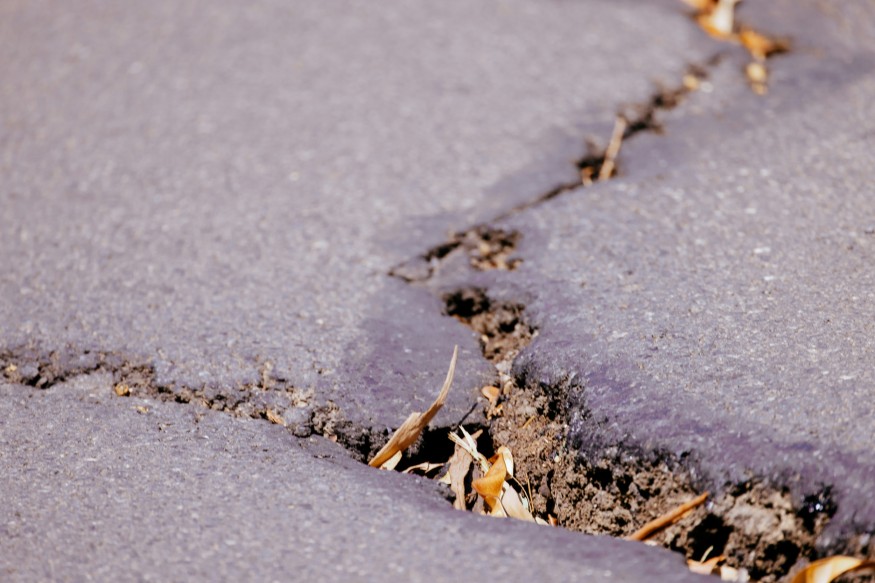
Earthquake early warning systems detect initial seismic waves to send seismic alerts ahead of stronger shaking, giving people moments to act for better earthquake safety. These networks operate in places like Japan, California, Mexico, and parts of China, turning seconds into potential lifesavers during sudden quakes.
How They Work and Warning Times
Earthquake early warning systems pick up fast P-waves—harmless initial rumbles—before the damaging S-waves hit. Sensors across fault zones feed data to central computers that crunch numbers on magnitude, location, and intensity in mere seconds, then blast out seismic alerts through phones, TVs, radios, and apps. This setup hinges on speed: from wave detection to alert delivery often takes 5 to 8 seconds, but the real edge comes from distance between the quake's start and the user. Japan's system, for instance, processes everything in under three seconds to reach millions.
The technology relies on a vast array of seismometers and accelerometers placed strategically near active faults. When an earthquake begins, these devices capture the primary waves, which travel faster than the secondary waves that cause most destruction. Algorithms then analyze the data in real time, estimating the event's scale and predicting how shaking will spread. This prediction forms the basis for seismic alerts tailored to each location—urban centers might get voice announcements, while rural areas rely on text messages or sirens. The entire chain, from sensing to sounding the alarm, prioritizes minimal delay, often beating the destructive waves by a narrow margin.
People often wonder how much time an earthquake early warning truly provides, and the answer hinges on proximity to the epicenter. Near the quake's origin—within roughly 10 miles—warnings might arrive with zero to five seconds notice, sometimes none at all as shaking starts first. In these close zones, the P-waves barely outpace the S-waves, leaving little room for alerts to propagate before the ground bucks violently. For someone in a shaking building, this means the system shines less for personal evasion and more for automated responses, like trains braking or power plants isolating circuits.
As distance grows to 10 to 50 miles, warning times extend to 5 to 20 seconds, opening doors for basic protective steps. Drivers can pull over steadily, office workers grab a desk edge, or families usher kids to doorways. Farther out, beyond 50 miles, alerts can stretch to 20 to 60 seconds or more, depending on the quake's depth and local geology. During China's 2013 Ya'an earthquake, for example, residents in Chengdu, over 70 miles away, received 29 seconds—enough to shelter under tables or secure heavy shelves. These extended windows prove especially vital in sprawling regions where faults lie far from population hubs.
Even brief seismic alerts carry weight. Research shows three seconds of notice can drop injury risks by 14 percent through instinctive "drop, cover, and hold on" moves. Stretch that to 10 seconds, and reductions hit nearly 40 percent, as people position themselves away from hazards like windows or light fixtures. Factors like network congestion or device battery life can nibble at these margins, but optimized systems minimize such hiccups. In essence, every extra heartbeat counts, transforming potential panic into purposeful action amid rising tremors.
Real-World Systems and Safety Gains
Japan leads with its Japan Meteorological Agency network, delivering alerts nationwide since 2007 and halting bullet trains mid-run to prevent derailments. The system's reach covers over 100 million people, integrating with TVs, mobile apps, and public speakers for instant seismic alerts. During the 2011 Tohoku quake, it provided up to 15 seconds in Tokyo, allowing subways to stop smoothly and factories to shut down assembly lines. Such integration underscores earthquake safety at scale, where automated pauses in high-risk operations like chemical plants or elevators prevent secondary disasters.
ShakeAlert powers California's earthquake early warning efforts, partnering with the USGS to notify via apps like MyShake across the U.S. West Coast. Launched fully in recent years, it taps thousands of sensors along the San Andreas Fault, sending tailored warnings based on expected shaking intensity. Users get countdowns—"10 seconds until strong shaking"—prompting immediate earthquake safety drills ingrained through school programs. Mexico City's system, active since 1985, similarly buzzes pagers and sirens, proven in events like the 2017 quake that spared lives by urging rooftop evacuations.
Canada's expanding network promises national coverage, blending federal sensors with provincial apps to deliver seconds-long heads-ups in vulnerable spots like British Columbia. Taiwan and parts of China round out key players, each adapting to local risks—dense megacities versus remote coasts. These examples highlight a pattern: seismic alerts excel where infrastructure supports rapid response, from urban grids to transit hubs, fostering habits that turn fleeting notices into tangible protection.
Benefits ripple beyond individuals. Economic studies peg Japan's savings at billions, as gas pipelines vented safely and ports slowed cranes before chaos hit. Injury data backs this: regions with mature systems report fewer fractures from falls or crushed vehicles, with even short warnings enabling protective postures. Pairing tech with education amplifies gains—schools practicing responses see kids hunker down faster, while apps gamify drills for adults. In crowded settings, where stampedes pose extra threats, directed alerts via speakers guide crowds methodically, easing bottlenecks.
Limits, Prep, and Lasting Impact
Not every quake triggers an alert; tiny starters that balloon into giants can slip under radars tuned for bigger threats, a challenge seen in blind zones near sensors. Rural gaps persist too, where sparse stations delay detection, and transmission lags from overloaded networks shave precious seconds. Personal factors play in—phones on silent or apps unupdated mean missed seismic alerts, emphasizing reliable backups like broadcast radio.
Despite these hurdles, earthquake early warning systems pair powerfully with timeless habits. Drills build muscle memory: when tones blare, duck under sturdy furniture, shield the head and neck, and hold until motion stops. Drivers ease off accelerators without slamming brakes, pulling to safe shoulders. In homes, secure shelves preempt topples; at work, silence noisy machines to hear updates. Apps from ShakeAlert or Japan's J-Alert refine this by factoring in your GPS, predicting local intensity for precise guidance.
Preparation extends further. Stock emergency kits with helmets for light warning zones, map safe spots in every room, and join community tests. Local agencies customize messages—coastal areas might stress tsunami follow-ups—building trust through transparency on limits. Rehearsals sharpen instincts, so even two seconds spark life-saving shifts, from releasing elevator buttons to alerting neighbors.
Short as they seem, earthquake early warning windows transform chaos into control, blending tech with smart habits for stronger earthquake safety. Regions with robust seismic alerts see fewer tragedies, proving preparation turns fleeting notices into real protection.
Frequently Asked Questions
1. How do earthquake early warning systems work?
They detect fast P-waves first, analyze data for magnitude and spread, then send seismic alerts via apps or sirens before S-waves cause damage—often in 5-8 seconds total.
2. How much time does an earthquake early warning give?
Zero to 5 seconds near the epicenter, 5-20 seconds at 10-50 miles out, and up to 60 seconds farther away, like 29 seconds in Chengdu during China's Ya'an quake.
3. Where are earthquake early warnings available?
Japan (JMA), California (ShakeAlert), Mexico City, Taiwan, parts of China, and Canada's growing network—all delivering seismic alerts nationwide or regionally.
4. Can earthquake early warnings save lives?
Yes, even 3 seconds cuts injury risk by 14%; 10 seconds by nearly 40%, enabling drop-cover-hold or automated stops on trains and elevators.
© 2026 NatureWorldNews.com All rights reserved. Do not reproduce without permission.


