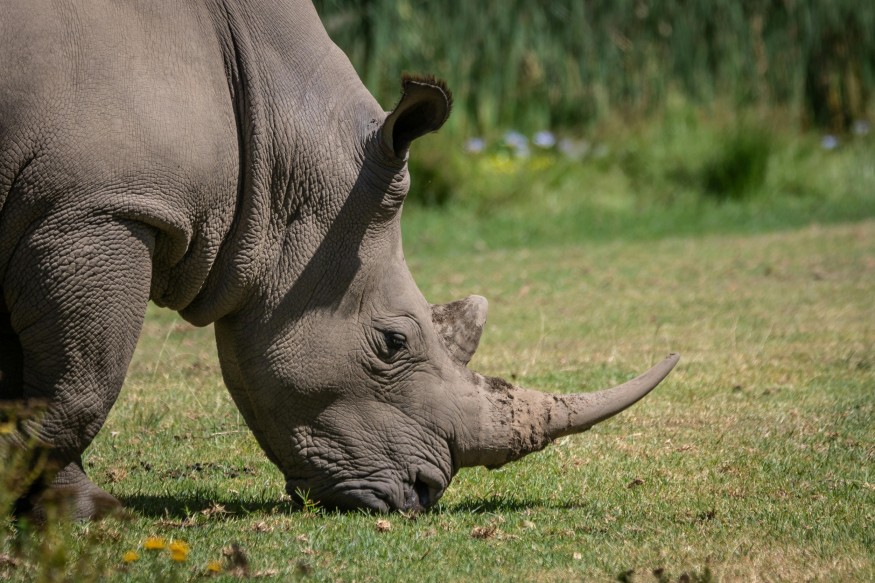
Florida's Palm Beach Zoo sparked a breakthrough in rhino eye treatment by training a wild southern white rhino in Zimbabwe to accept medication voluntarily. This hands-on approach saved Thuza from blindness and bolstered a key conservation effort on communal lands.
Rhino Eye Treatment from Blindness
A parasitic infection turned Thuza's eyes bloody as he rubbed them against trees and bushes outside Zimbabwe's Hwange National Park. The male southern white rhino faced a grim fate—vision loss in the wild often spells death from inability to spot predators or poachers. Mark Butcher, managing director at Imvelo Safari Lodges, spotted the issue during routine checks. "This rhino had bleeding eyes. He was rubbing his eyes," Butcher recalled. Without quick action, Thuza's condition could derail the entire Community Rhino Conservation Initiative.
This program marks Zimbabwe's first attempt to reintroduce southern white rhinos to communal lands, areas managed by local communities rather than strict national parks. Palm Beach Zoo CEO Margo McKnight got wind of the crisis during a 2025 visit to the site. Butcher pulled her aside, explaining how Thuza's health scare threatened the pilot project's future. With only a handful of rhinos in the area, losing one vision-impaired animal risked collapsing the effort to build a sustainable population.
Thad and Angi Lacinak, founders of Precision Behavior and partners with the Palm Beach Zoo, stepped in with a plan drawn from zoo animal training. They traveled to Zimbabwe in August 2025 to work directly with anti-poacher scouts. The core idea: coax Thuza into a narrow chute using his favorite foods, then gradually desensitize him to human touch and water sprays on his face. This built tolerance for actual eye drops targeting the parasitic infection.
Daniel Terblanche, security manager at Imvelo Safari Lodges, trained under the Lacinaks and later demonstrated the technique to fellow staff in Bulawayo, Zimbabwe. "Believe me, we didn't think of it; it was a completely ridiculous idea to us," Terblanche said. Yet the method worked fast. Within a week, the team applied drops while Thuza held still. By the end of two weeks, local guards managed it independently. Today, Thuza receives daily medication without resistance, and his eyes have cleared up significantly. The infection no longer poses an immediate threat, allowing him to forage and navigate safely.
Palm Beach Zoo Training
Experts at the Palm Beach Zoo have long taught captive animals to participate in their own medical routines, a practice rooted in positive reinforcement. Rhinos there learn to present themselves for checkups or treatments in exchange for treats, reducing stress for both animals and handlers. Thad and Angi Lacinak adapted this for Thuza, proving zoo techniques could bridge to the wild.
The process started with basic trust-building. Scouts lured Thuza into the chute with foods he loved, repeating sessions until he entered willingly. Next came desensitization: handlers touched his face gently, progressing to squirting water to mimic drop application. Angi Lacinak stressed the stakes: "With this few animals in this location in Africa, it was essential that we save all of them. A blind rhino is a dead rhino." Her words captured the urgency—southern white rhinos number about 16,000 in the wild, classified as near-threatened by ongoing poaching and habitat loss.
Rhinos naturally have poor eyesight, relying more on smell and hearing, which made voluntary cooperation crucial. Forcing treatment on a 4,000-pound wild rhino risked injury to humans or the animal. The Palm Beach Zoo method flipped the script, turning Thuza into an active participant. Photos from John Towey of the Palm Beach Zoo show Terblanche guiding staff through the steps, chute in place and treats at hand.
This wasn't just a one-off fix. The Lacinaks transferred skills fully to the scouts, ensuring sustainability. Guards now handle daily drops routine-like, monitoring Thuza's progress without needing external teams each time. The rhino thrives alongside others in the program, eyes protected and behavior steady. This Florida-to-Africa knowledge transfer highlights how targeted training scales beyond enclosures, offering a blueprint for other wild animal health interventions.
Zimbabwe Rhino Conservation
Zimbabwe rhino conservation took a bold step with the Community Rhino Conservation Initiative, supported by Imvelo Safari Lodges. For the first time, southern white rhinos roam communal lands, fostering local stewardship and economic benefits from eco-tourism. Thuza's role proved pivotal—one healthy male supports breeding and territory stability in this sparse population.
Poaching remains a relentless danger, with horns fetching high black-market prices. Habitat fragmentation adds pressure, shrinking safe spaces. Saving Thuza's sight directly countered these threats, keeping the pilot viable. Margo McKnight's timely visit connected the dots, linking Palm Beach Zoo expertise to on-the-ground needs. Butcher's alert about the bleeding eyes prompted swift response, averting a setback that could have stalled community buy-in.
The "ridiculous" plan succeeded because it empowered locals. Terblanche and his team now lead care protocols, building confidence. "Without trying all of the things that we could to rectify that situation, we would have been in trouble," he noted. Daily treatments continue seamlessly, with rhinos showing improved vitality. Angi Lacinak confirmed: "They're consistently getting the medications into his eyes every day. The rhinos are just thriving now."
Broader lessons emerge for Zimbabwe rhino conservation. Small-scale programs like this one amplify impact when health issues arise. Voluntary methods minimize stress, preserving natural behaviors essential for reintroduction success. The Palm Beach Zoo collaboration sets a precedent—U.S. zoos can export training models to hotspots like Africa, where resources stretch thin.
Southern white rhinos face familiar foes: poachers armed with snares and guns, plus land conversion for farming. Yet wins like Thuza's build momentum. Locals gain skills, communities see value in protection, and populations inch toward stability. This episode underscores cross-border partnerships in action, turning a health crisis into a conservation milestone.
Takeaways from Thuza's Rhino Eye Treatment Success
Thuza's recovery through Palm Beach Zoo-inspired rhino eye treatment offers practical insights for wildlife efforts. First, voluntary training works on wild animals, adapting zoo tactics to field conditions without capture trauma. Second, local capacity-building ensures lasting results—guards like Terblanche sustain care independently. Third, acting fast on early signs, like bleeding eyes from parasites, prevents cascade failures in fragile programs.
Zimbabwe rhino conservation benefits most from these integrated approaches. With southern white rhinos hovering near-threatened, every intervention counts against poaching and loss. The story of Thuza proves innovative ideas, even "ridiculous" ones, delivered when stakes run high. Ongoing monitoring keeps the group strong, eyes clear and futures brighter.
© 2026 NatureWorldNews.com All rights reserved. Do not reproduce without permission.


