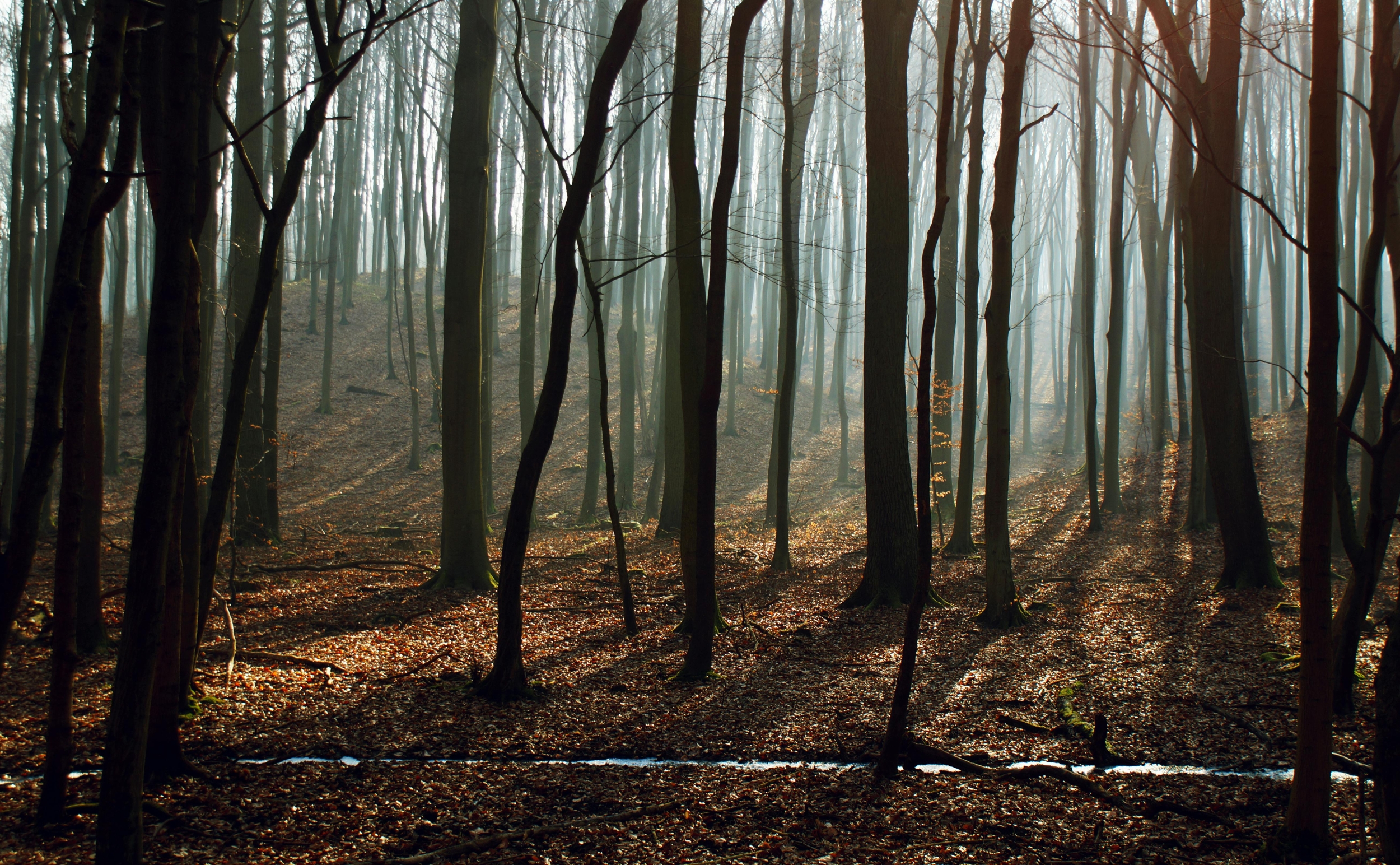
Climate change accelerates across the globe, but a startling trend emerges: ecosystems slow their natural species turnover despite rising temperatures. In February 18, 2026, Queen Mary University of London study revealed how biodiversity loss fuels this ecosystem slowdown, upending expectations that warming would speed up nature's changes.
Climate Change Expectations Versus Reality
Many scientists long predicted that intensifying climate change would jolt ecosystems into faster flux. As global temperatures climbed sharply since the 1970s, shifting climate zones were supposed to displace species from familiar habitats while cracking open doors for newcomers. This dynamic—local extinctions paired with rapid colonization's—should have ramped up species turnover, the rate at which one species replaces another in a given area over short spans like 1-5 years.
That logic made sense on paper. Warmer oceans, altered rainfall patterns, and expanding deserts would reshape where life thrives, pushing communities to evolve quickly. Yet the Queen Mary study, published in Nature Communications, dug into a massive global database of biodiversity surveys spanning marine, freshwater, and terrestrial realms over a full century. The results flipped the script: turnover rates did not surge. They plummeted by roughly one-third after the 1970s, when warming kicked into high gear.
This pattern repeated across wildly diverse settings—from bustling ocean-floor communities teeming with benthic life to freshwater streams and even bird flocks in forests. Pre-1970s shifts often reflected nature's baseline rhythms, not climate-driven chaos. Post-1970s, the stall set in universally, hinting at forces beyond temperature alone steering the slowdown.
Dr. Emmanuel Nwankwo, the lead author, captured the surprise: "Nature functions like a self-repairing engine, constantly swapping out old parts for new ones. But we found this engine is now grinding to a halt." His co-author, Prof. Axel Rossberg, underscored the scale: "We were surprised how strong the effect is. Turnover rates typically declined by one third." These insights challenge the field, showing climate change does not always equal accelerated upheaval.
Biodiversity Loss Undermines Ecosystem Dynamics
To unpack the slowdown, researchers peered into ecosystems' inner workings, beyond external pressures like climate change. Healthy communities often hum in a "multiple attractors" phase, a concept theoretical physicist Guy Bunin forecasted in 2017. Here, species engage in endless biological tag matches—akin to a sprawling game of rock-paper-scissors. Predator-prey balances, competition for resources, and mutual dependencies ensure no single player reigns forever. One species dips, another slots in from the regional pool, keeping turnover brisk even when environments stay steady.
This intrinsic churn builds resilience. It lets ecosystems self-correct after storms, fires, or disease outbreaks by drawing from a deep bench of potential replacements. Biodiversity loss severs that lifeline. Human footprints—habitat fragmentation from agriculture, urban sprawl, deforestation, and pollution—slash the number of species lingering nearby. Fewer birds flit between woodlands, fewer fish dart into streams, fewer microbes colonize seafloor sediments. The replacement pipeline dries up.
The study pins environmental degradation as the prime suspect. Shrinking regional species pools mean local sites attract fewer viable newcomers, stalling the engine. Dr. Nwankwo flags supporting evidence: "In other research we are seeing clear indications that human impacts cause the slowing of turnover. It is worrying." Stable snapshots of habitats can deceive; what looks calm may signal biodiversity loss hollowing out nature's capacity to renew.
This ties into broader 2026 reports echoing ecosystem strain. A February 17 ScienceDaily piece on the same study warns of engines losing steam, while the original Nature Communications paper (February 2, 2026) models how degradation overrides climate-driven shifts. Their simulations show degraded sites suit fewer species, curbing colonizers even as environments warm faster.
Ecosystem Slowdown Raises Alarm Bells
A decelerating turnover does more than defy theory—it spotlights vulnerability. Ecosystems in slowdown mode shed adaptability, the very trait that buffers against shocks. Climate change piles on stressors like heatwaves, droughts, and ocean acidification, but depleted pools leave communities rigid. Minor disturbances that once sparked recovery now risk tipping points: coral reefs graying without fish to graze algae, forests thinning without seed dispersers, wetlands stagnating without invertebrate churn.
The Queen Mary findings urge a rethink. Tracking extinctions grabs headlines, but monitoring turnover tempo catches silent erosion early. Apparently healthy zones might harbor hidden fragility, where biodiversity loss masquerades as equilibrium. Prof. Rossberg's team stresses this applies broadly—benthic life, birds, mixed assemblages all sync in the slowdown, barring managed fisheries where human intervention muddies signals.
Recent news amplifies the context. A February 8, 2026, Phys.org report dubs it nature's engine halting amid climate pace, citing the self-repair metaphor. Mirage News that week highlighted the acceleration-slowdown paradox, while DownToEarth.org noted slowed renewal despite heat. These pieces, all post-February 2026, reinforce the study's urgency without diluting its core.
Human pressures amplify climate change here. Land-use shifts since the 1970s—think intensified farming, mining, plastics in waterways—compound warming. The Nature Communications model quantifies it: environmental shifts alone boost turnover, but steady degradation drags it lower, netting the observed drop. Protecting pools means restoring connectivity—wildlife corridors, pollution curbs, sustainable land practices—to refill the bench.
Key Strategies Amid Climate Change Pressures
Addressing ecosystem slowdown demands action on biodiversity loss fronts. Policymakers eye metrics beyond species counts; turnover rates could flag hotspots needing intervention. Conservationists prioritize regional buffers—intact forests, marine protected areas, wetland networks—that stockpile colonizers. The study's global lens shows no ecosystem escapes, from Arctic seabeds to tropical bird haunts.
Researchers like Nwankwo push for integrated monitoring. Pair turnover data with genomic scans and remote sensing to map pool health. Early 2026 horizon scans, like UNEP-WCMC's January outlook, flag aligned threats: soil moisture dips stressing lands, ocean darkening dimming productivity, kelp losses mirroring turnover stalls. These threads weave climate change with biodiversity loss, underscoring unified responses.
Communities play roles too. Local efforts—reforestation drives, river cleanups, invasive control—bolster pools directly. Nations commit via frameworks like the UN's Goal 15 on land life, targeting desertification and degradation halts. Yet the Queen Mary work warns time tightens; slowdowns precede collapses if unchecked.
Insights on Climate Change Slowing Ecosystems
Ecosystem slowdown reframes climate change debates, revealing biodiversity loss as the quiet saboteur. The Queen Mary study, backed by 2026's fresh analyses, proves nature's engine sputters not from heat alone but eroded foundations. Safeguarding species pools stands out as vital—reviving turnover to fortify against accelerating warming. Fresh data and vigilance promise pathways to resilient wilds before strains erupt.
© 2026 NatureWorldNews.com All rights reserved. Do not reproduce without permission.


