Pollinators
-
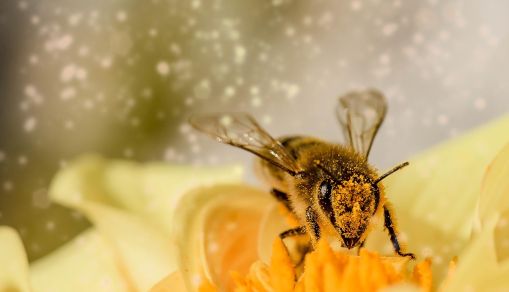
How Pollinators Navigate Using Smell and Sight Cues and Magnetoreception for Foraging
Explore how pollinators use smell and sight cues, magnetoreception, and foraging strategies to navigate efficiently and support ecosystems through advanced pollinator navigation systems.

![Plant Reproduction: Angiosperms with Male and Female Reproductive Organs Can Mate and Reject Suitors [Study]](https://d.natureworldnews.com/en/full/70602/plant-reproduction-angiosperms-male-female-reproductive-organs-can-mate-reject-suitors-study.webp?w=242&h=135&f=26eb9fe90d7a00e872adab0dd8d7010f)
Latest Research Articles
-

Edamame Farmers Can Benefit From Pollinator-Friendly Practices, Researchers Say
-

Findings Show Continuous Decrease in Bee Population Will Severely Impact Wild Crops and Plants in Just Tens of Years
-

Pollinator Hotel: New Hotel Welcomes Bees and Other Pollinators Who Lost Their Homes
-

New Study Reveals Bees Could Boost Crops and Stabilize Food Prices Amid Threats of Global Recession and Inflation
-

Overturned Truck on a Utah Highway Releases At Least 10 Million Bees Into the Air
-

Bees Activate 'Medicinal Properties' Against Parasite Infection During Pollination
-

Worsening Air Pollution Severely Impairs Pollinators’ Ability to Find Plants
99-Million-Year-Old Beetle Found Trapped In Amber
Cheerios' Bring the Bees Back Campaign May Actually Do More Harm Than Good
Where Is Buzz the Bee? Why Cheerios' Beloved Bee Mascot Dissappeared From the Cereal Box
The World’s Bee Population Is In Danger, and So Is Our Future
Bees, Bats, Butterflies, Pollinators: New Report Says More Species in Danger; Food Supply Risked


MOST POPULAR
-

Scientists Warn Atlantic Ocean Current Weakening May Push AMOC Collapse Closer
-

How Algae Removes Microplastics From Drinking Water in a Breakthrough Water Filtration Discovery
-
Hidden Regeneration Ability Found in Mammals Could Transform Regenerative Medicine Research
-

Trump Climate Lawsuit: World-Leading NCAR Climate Research Centre Fights Climate Science Funding Cuts
-

Massive Marine Heatwave Triggered Rapid Caribbean Coral Reef Collapse and Coral Bleaching


